
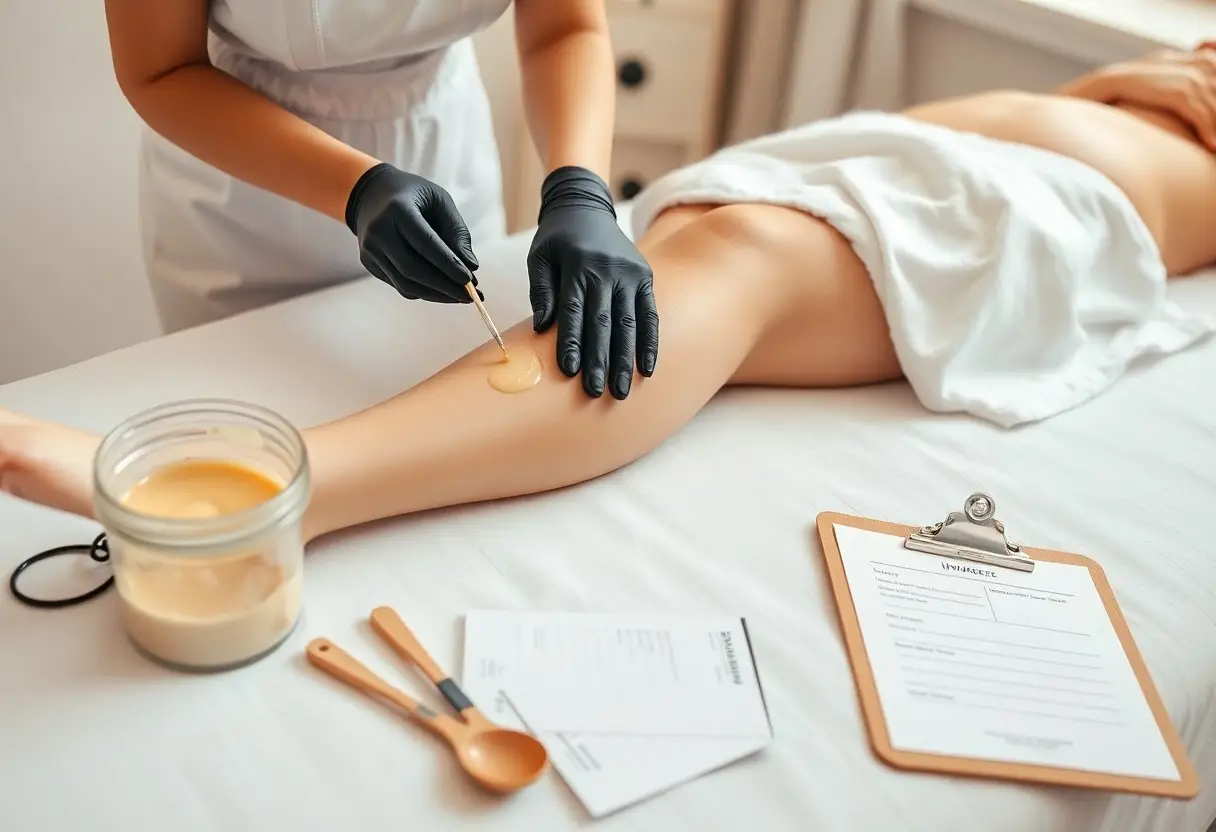
Most first-timers underestimate how much preparation affects their waxing experience. You should let hair grow to at least ¼ inch for effective results, avoid sun exposure, and skip alcohol-based products pre-appointment. Arriving clean and communicating openly with your esthetician ensures safety and comfort. Post-wax care prevents irritation and delivers the best outcome.
The Rituals of Preparation
Proper preparation sets the stage for a smooth waxing experience. You’ll want to avoid sun exposure, lotions, and heavy sweating for at least 24 hours before your appointment. Showing up with clean, dry skin gives your esthetician the best chance for effective hair removal and reduces the risk of irritation or infection.
The Necessity of Exfoliation
Exfoliating 24 to 48 hours before your wax helps prevent ingrown hairs by clearing dead skin cells from the surface. Skipping this step can trap hairs beneath the skin, leading to painful bumps and uneven results. Never exfoliate on the day of your appointment-freshly scrubbed skin is too sensitive.
The Ideal Length of Growth
Hair should be about a quarter-inch long-roughly the size of a grain of rice-for the wax to grip effectively. If it’s too short, the wax won’t catch it; too long, and removal becomes more painful. Letting your hair grow for at least two to three weeks post-shave is usually ideal.
When your hair reaches the right length, it allows the wax to adhere properly to the shaft, ensuring a clean pull from the root. This minimizes breakage and reduces the chance of hairs snapping instead of releasing fully. Proper length means less pain and longer-lasting smoothness, so resist the urge to trim or shave in the days leading up to your session.
The Choice of Attire
Wear loose, breathable clothing to your appointment. Tight fabrics can irritate freshly waxed skin and trap heat, increasing discomfort. Choose cotton underwear and avoid jeans or restrictive bottoms, especially after a bikini wax. Comfortable layers let you adjust to temperature changes in the treatment room.
Comfort Over Vanity
Prioritize ease over style when dressing for your session. Smooth, soft fabrics reduce friction on sensitive areas. You’ll feel more relaxed in loose clothing that doesn’t cling or rub, especially after waxing.
Accessibility of the Area
Your technician needs clear access to the treatment zone. Choose clothing that allows quick, easy exposure of the area without full undressing. This saves time and helps maintain hygiene and privacy.
Being able to expose the area quickly means less time under sheets or adjusting garments. Shorts or a skirt with a loose top work well for bikini or leg waxing. Efficient access ensures precision and reduces the chance of missed hairs or irritation from repeated tugging.
The Salon Entry Protocol
You walk in, and the atmosphere shifts-calm, clean, and quietly professional. Greet the receptionist with a smile, state your appointment clearly, and take a seat if asked to wait. This first interaction sets the tone, so politeness and clarity go a long way in making your experience smooth from the start.
The Virtue of Punctuality
Arriving five to ten minutes early shows respect for your esthetician’s schedule. Late arrivals can shorten your service time or disrupt the day’s flow. Being on time means you’ll relax sooner and get the full treatment you booked without rushing.
The Duty of Personal Hygiene
Showering before your appointment ensures your skin is clean and free of excess oils or sweat. This simple act makes the waxing process more effective and reduces the risk of irritation or infection. Your esthetician will appreciate the care you take, and so will your skin afterward.
Washing your body before waxing isn’t just about courtesy-it directly impacts the treatment’s success. Clean skin allows wax to adhere properly to hair instead of dirt or oil, making removal more efficient and less painful. Skipping this step could lead to ingrown hairs or bacterial buildup, especially in sensitive areas. A quick rinse with mild soap is all it takes to protect your skin’s health and ensure optimal results.
Conduct During the Procedure
You remain the central figure in this process, so staying still and relaxed helps ensure precision and safety. Follow your technician’s instructions without sudden movements, as even minor shifts can lead to mistakes or increased discomfort. Keep your focus on breathing steadily to maintain calm throughout the session.
Dialogue with the Professional
Communication opens the door to a better experience-speak up if something feels wrong or unclear. Your technician expects honest feedback and can adjust their approach if you mention unexpected pain, skin sensitivity, or discomfort. A simple sentence like “That stings more than expected” keeps things on track without tension.
Management of Physical Discomfort
Discomfort is normal, but sharp or intense pain isn’t something you must endure. Let your technician know immediately if a sensation crosses the line, as excessive pain could signal incorrect technique or a reaction. Staying quiet might prolong your discomfort unnecessarily.
While some stinging or tugging is expected during waxing, your body shouldn’t feel searing or burning sensations. If the wax seems too hot or the pulling too harsh, speak up right away-your technician can cool the area, adjust pressure, or reapply with a gentler method. Ignoring severe pain risks skin damage or trauma, so trust your instincts and voice concerns without hesitation.
The Etiquette of Gratuity
Leaving a tip is a common and appreciated gesture after your waxing service. Most clients tip between 15% and 20% of the total cost, reflecting satisfaction with the technician’s skill and care. This small act acknowledges their expertise and personal attention, especially during your first, potentially nerve-wracking appointment.
The Standard for Gratuities
Twenty percent is the standard tip for excellent service, while 15% is acceptable for satisfactory results. You’re not obligated to tip if the experience was unprofessional or painful due to technician error. Your comfort and safety matter most-adjust your tip based on how well your esthetician respected your boundaries.
Finalizing the Financial Exchange
Payment is typically expected at the end of your session, either before or after tipping. Many studios accept cards, but bringing cash ensures a smoother transaction and makes tipping easier. Hand your tip directly to the technician unless a no-cash policy is posted at checkout.
When wrapping up the financial part of your visit, clarity prevents awkward moments. If you’re paying by card, the staff may ask whether you’d like to add the tip to the same transaction. Doing so is convenient, but cash remains the most personal and immediately received form of appreciation. Confirm the total before you pay, and don’t hesitate to ask for a receipt-it helps you track self-care expenses and ensures transparency.
The Discipline of Aftercare
Following your waxing session, proper aftercare ensures smooth, irritation-free skin. You must treat the area gently and avoid harsh products. Skipping aftercare steps can lead to redness, bumps, or infection, so stay diligent in the 24-48 hours post-wax.
Soothing the Sensitive Skin
Apply a fragrance-free, calming lotion or aloe vera to reduce redness and discomfort. Your skin will feel tender, so avoid anything that stings or irritates. Using a product with alcohol can worsen sensitivity, so choose wisely.
Avoidance of Heat and Friction
Heat and friction can inflame freshly waxed skin. You should skip hot showers, saunas, and tight clothing for at least 24 hours. Exposure to heat opens pores and increases the risk of bacteria entering the skin, raising chances of breakouts.
Wearing snug jeans or working out after waxing may seem harmless, but friction from movement rubs against open hair follicles. This irritation can trigger painful ingrown hairs or swelling. Sweat combined with heat creates a breeding ground for bacteria, making post-wax infections more likely. Let your skin breathe and heal undisturbed.
To wrap up
Conclusively, your first waxing appointment goes smoothly when you arrive clean, trim hair if needed, and avoid caffeine or alcohol beforehand. You communicate openly with your technician, disclose skin sensitivities, and skip sun exposure post-wax. Following these steps ensures a more comfortable experience and better results.
FAQ
Q: How far should my hair be grown before my first waxing appointment?
A: Hair should be about a quarter to half an inch long, roughly the size of a grain of rice. This length gives the wax enough to grip so the hair can be removed from the root. If the hair is too short, the wax won’t catch it properly. If it’s too long, the process can be more uncomfortable. Avoid trimming or shaving the area for at least two to three weeks before your appointment, depending on your hair growth rate.
Q: Should I avoid certain products or activities before getting waxed?
A: Yes. Skip using exfoliating scrubs, retinol creams, or acne treatments on the area for 24 to 48 hours before your appointment. These can make your skin more sensitive and increase the chance of irritation or peeling during waxing. Also, avoid sunbathing, tanning beds, or hot showers right before your session. Come with clean, dry skin-no lotions, oils, or perfumes on the area to be waxed.
Q: What should I wear and expect during my first waxing visit?
A: Wear loose, comfortable clothing to your appointment. Tight clothes can cause friction and irritation after waxing, especially in sensitive areas. When you arrive, the esthetician will explain the process and give you privacy to prepare. The treatment is quick, usually lasting 15 to 30 minutes depending on the area. You might feel a brief sting with each pull, but it fades fast. Most people find the discomfort less intense than they expected, especially when the technician works efficiently and with care.