
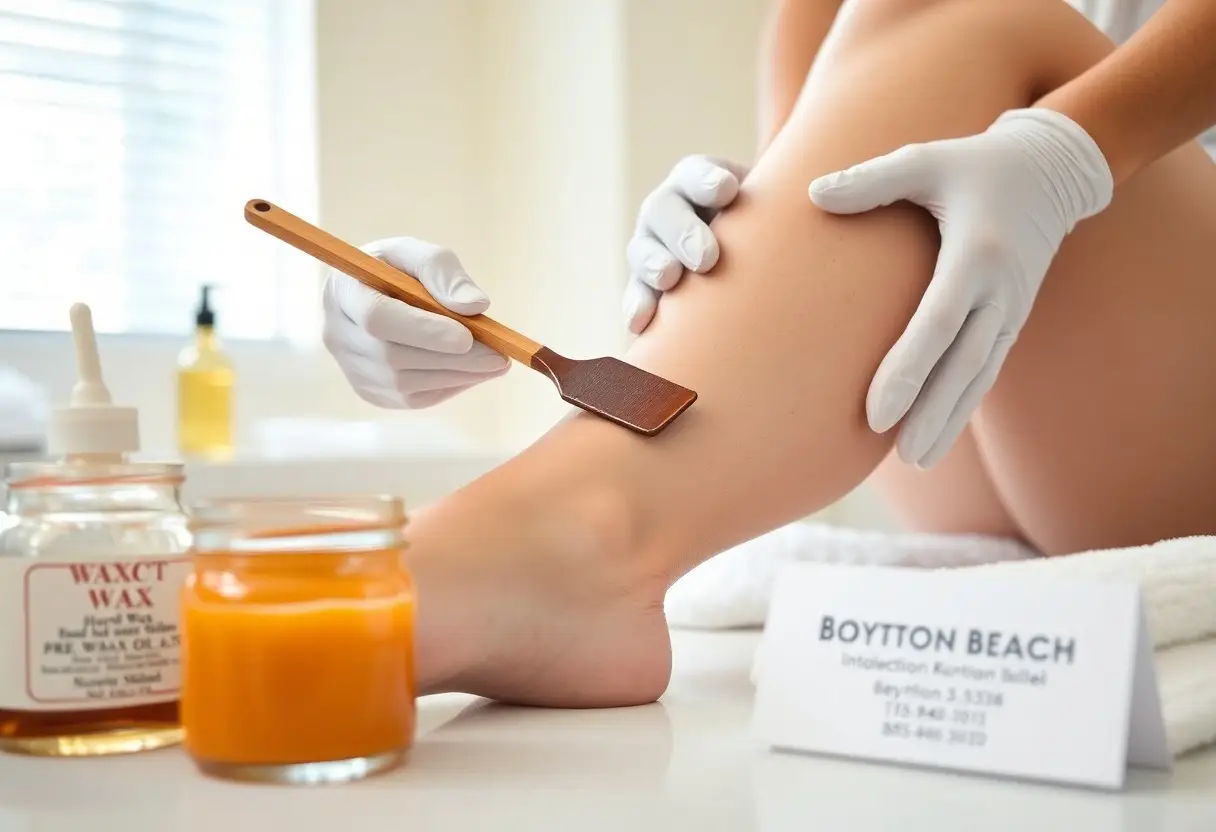
Most clients with coarse hair should prep skin with gentle exfoliation and avoid shaving between visits; you can reduce ingrown hairs and enjoy longer-lasting results, while following professional aftercare to minimize the risk of burns or irritation.
Key Takeaways:
- Hard wax and an experienced esthetician deliver the best outcome for coarse hair-hard wax grips thick follicles, reduces breakage, and minimizes irritation.
- Prep properly: trim hair to about 1/4-1/2 inch, exfoliate 24-48 hours before waxing, and stop retinoids or strong acids two weeks prior to lower sensitivity and ingrown hairs.
- Aftercare matters: use cool compresses and a soothing aloe or tea-tree gel, avoid hot baths and intense exercise for 24 hours, and schedule maintenance every 4-6 weeks to manage regrowth.
Understanding Coarse Hair Dynamics
Coarse hair often grows from deeper follicles with greater pigment and tensile strength, so you must adapt waxing technique and aftercare to reduce breakage and the risk of ingrown hairs.
Follicle Depth and Structural Resilience
Follicles that sit deeper anchor coarse strands more firmly, so you should expect stronger pull and use slower, controlled strips and lower wax temperatures to minimize trauma.
Common Challenges: Breakage and Skin Sensitivity
Breakage and sensitivity often coexist with coarse hair, leaving you prone to ingrown hairs, redness, and post-waxing irritation; use gentle exfoliation and targeted soothing to lower recurrence.
When you face persistent breakage or sensitivity, begin with a small test patch and reduce wax heat to limit trauma. Adjust removal angle and speed to match hair strength, recommend regular light exfoliation and non-comedogenic moisturizers to prevent ingrown hairs, and advise professional care if inflammation or scarring appears.
Essential Pre-Wax Preparation
Before waxing, clean skin and avoid lotions or oils that reduce adhesion. If you use topical retinoids or isotretinoin, do not wax and consult your provider. Perform a quick patch test to check sensitivity and schedule waxing when your skin is not sunburned or irritated.
Strategic Exfoliation for Thick Textures
Exfoliate 48 hours prior using a gentle scrub or mild chemical exfoliant to free trapped coarse hairs and reduce ingrowns. Avoid aggressive scrubbing right before your appointment to prevent irritation. For thick textures, focus on light, consistent exfoliation rather than harsh treatments.
Optimal Hair Length for Maximum Adhesion
Keep hair trimmed to about 1/4 inch (6 mm) so wax can grip coarse strands; hair that’s too short won’t adhere and hair that’s too long can break. If you recently shaved, wait until regrowth; optimal length prevents pulling and reduces breakage.
Aim for about 1/4 inch (6 mm) for most coarse hair, with up to 3/8 inch (9 mm) acceptable for very thick strands to ensure a secure grip. Use scissors or a quality trimmer, combing hair upward to trim evenly. If hair is shorter, allow at least 10-14 days regrowth; do not trim into stubble or attempt waxing sooner.
Selecting the Superior Waxing Medium
Choose your wax based on hair thickness and skin sensitivity; you should opt for hard wax on coarse roots and a high-performance strip wax for larger zones, watching temperature to avoid burns.
Advantages of Hard Wax for Coarse Strands
Hard wax clings to the hair shaft so you can remove coarse strands with less breakage and less skin irritation; you’ll notice reduced pain and cleaner extraction when applied correctly, though thicker hair may need repeated passes.
High-Performance Strip Wax Applications
For broad areas like legs and backs, choose a high-performance strip wax that spreads thinly for fast removal; you must control heat and technique to limit skin irritation and avoid hair breakage.
You should apply thin even layers with the grain, press cloth firmly, pull opposite the hair growth quickly, hold skin taut, and perform a small test patch to check for burn risk or excessive irritation.
Professional Extraction Techniques
You should expect your technician to use controlled extraction to remove coarse follicles with minimal trauma, reducing ingrown hairs and breakage; check service details in the F.A.Q. for post-care and risk notes.
Extraction Techniques
| Technique | Purpose |
|---|---|
| Tension + Directional Pull | Clean removal, less breakage |
| Tweezer Follow-up | Remove residual coarse follicles |
Precision Tension and Directional Pull
Your technician will apply firm skin tension and use a directional pull aligned with hair growth so hairs release intact; avoid excessive force to prevent trauma and more ingrowns.
Temperature Control for Coarse Hair Removal
Adjust wax to a slightly higher warmth so it grips coarse hair, while keeping skin-safe levels to prevent burns and reduce breakage.
Maintain a thermometer and test-touch routine so you balance adhesion with safety; higher temperatures improve grip on coarse hair but raise burn risk, so you should adjust heat by hair density and client’s sensitivity.
Temperature Guidelines
| Level | When to Use |
|---|---|
| Low | Sensitive skin, minimal adhesion |
| Medium | Most coarse hair, balanced safety |
| High | Very coarse hair-test patch first |
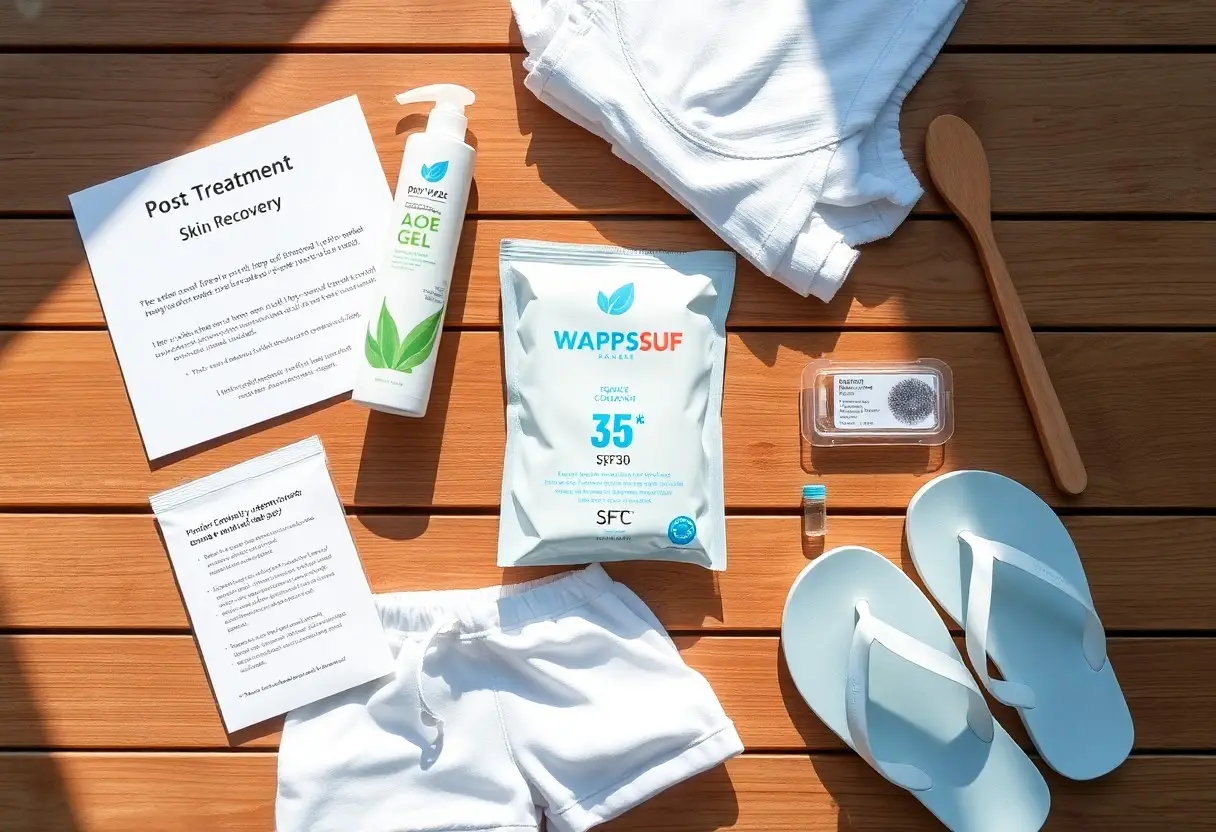
Post-Treatment Skin Recovery
Skin needs gentle care after waxing: you should avoid heat, sweating, and tight clothing, apply cool compresses, and skip exfoliation for 48 hours to lower infection risk and persistent irritation.
Calming Inflammation and Reducing Redness
Cold compresses applied for 10 minutes reduce swelling; you should use a non-scented anti-inflammatory gel and avoid scrubbing to minimize redness and ongoing irritation.
Essential Topical Hydration Protocols
Apply a thin layer of fragrance-free moisturizer with ceramides or aloe within an hour; reapply to maintain hydration and avoid oil-based creams that can trap heat and worsen irritation.
Use lightweight, non-comedogenic lotions containing hyaluronic acid, panthenol, or niacinamide so you draw moisture into follicles and strengthen the skin barrier; apply thin layers, pat-not rub-and wait before dressing. Patch-test new products on a small area to avoid allergic reactions, and avoid active exfoliants or retinoids for at least 72 hours to prevent increased sensitivity or follicular damage.
Summing up
With this in mind you should prep skin, communicate preferences, choose techniques suited for coarse hair-short strips and firm, swift pulls-exfoliate, and follow post-care to reduce irritation and ingrown hairs; schedule consistent sessions to maintain smooth results.