
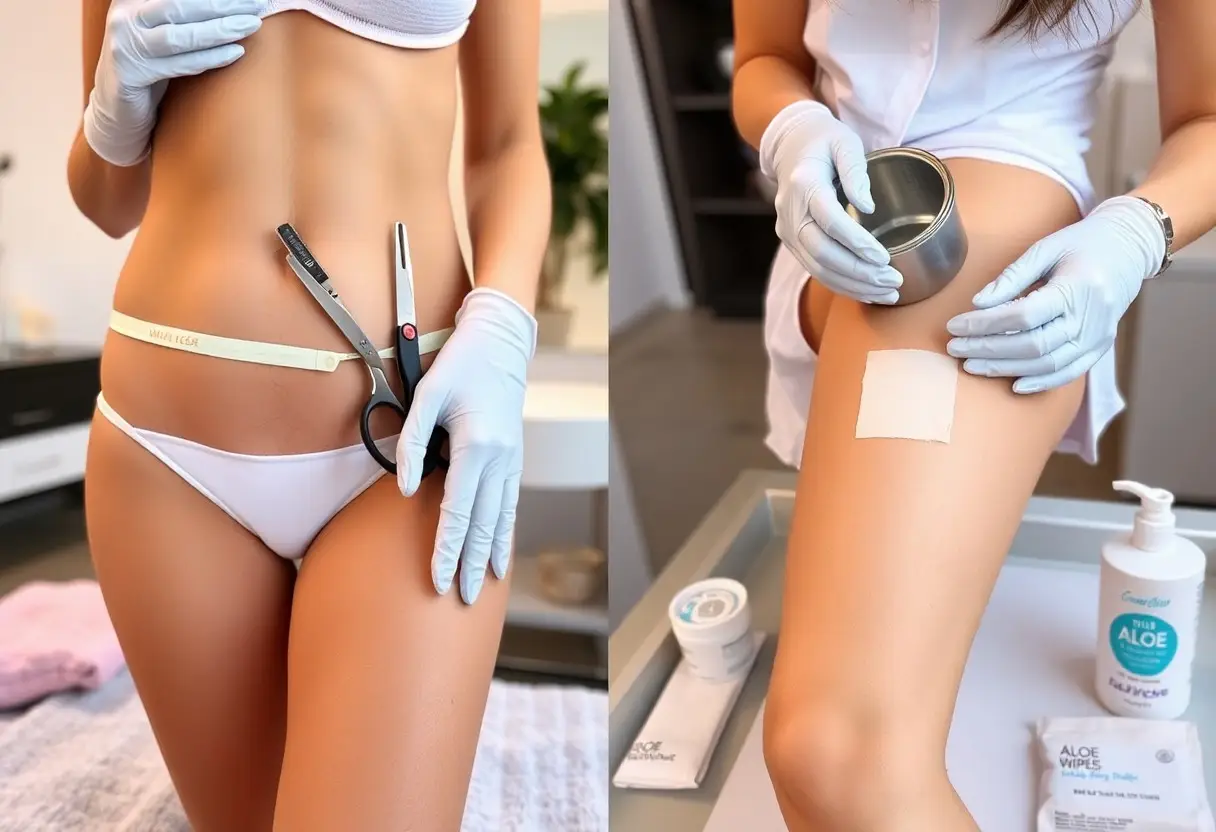
You risk skin damage and ingrown hairs if you wax incorrectly. Skipping exfoliation, choosing untrained technicians, or waxing too frequently leads to avoidable pain and irritation. You can achieve smooth, long-lasting results by following proven prep and aftercare steps. This guide shows you exactly what to do-and what not to do-for a safer, more effective Brazilian wax.
Key Takeaways:
- Not exfoliating before a Brazilian wax can lead to ingrown hairs; gently scrub the area 24 to 48 hours prior to remove dead skin and help hair release cleanly.
- Waxing hair that’s too short or too long reduces effectiveness-let hair grow to about a quarter of an inch, roughly the length of a grain of rice, for the best results.
- Skipping a patch test or ignoring skin sensitivity signs can cause irritation or allergic reactions; always test wax on a small area first and avoid scheduling waxes right after sun exposure or exfoliating treatments.
Critical Pre-Waxing Factors for Success
- Proper hair length ensures effective wax adhesion and smooth removal
- Clean, exfoliated skin reduces ingrown hairs and enhances wax performance
- Always perform a patch test to check for adverse reactions
- Stay hydrated and avoid alcohol-based products pre-wax
Determining Optimal Hair Length
You need about ¼ inch of hair growth for wax to grip effectively. Let hair grow for at least two to three weeks post-shaving. Too short, and wax won’t catch it; too long increases discomfort. The
Essential Skin Preparation and Exfoliation
Clean skin free of oils ensures the wax adheres to hair, not residue. Exfoliate 24-48 hours before waxing to prevent ingrown hairs. Avoid doing it the day of to reduce irritation. The
Exfoliating removes dead skin cells that can trap hair beneath the surface, a leading cause of ingrown hairs. Use a gentle scrub or chemical exfoliant with salicylic or glycolic acid for best results. Never exfoliate immediately before waxing-this sensitizes skin and increases redness. The
How to Select a Reputable Professional
Booking with a licensed esthetician trained in Brazilian waxing ensures you’re in skilled hands. Check online reviews and ask for recommendations from friends who’ve had positive experiences. A professional will consult with you beforehand, discuss pain tolerance, and explain the process-never rush this conversation. Your safety and comfort depend on their expertise, so trust your instincts if something feels off.
Evaluating Salon Hygiene Standards
Look for clean treatment rooms where tools are sterilized and wax is applied with disposable applicators. If you see reused sticks or unsealed products, leave immediately-this risks infection and cross-contamination. A reputable salon maintains visible hygiene practices because your health is non-negotiable. You have the right to ask about their sanitation protocols before undressing.
Choosing Between Hard and Soft Wax Formulas
Hard wax grips hair without sticking to skin, making it ideal for sensitive areas and fine hair. Soft wax works well on larger, less delicate zones but requires cloth strips that can irritate if misused. Your skin type and hair texture determine the best choice, so let your esthetician guide you based on experience, not preference alone.
Hard wax cools and hardens on the skin, allowing it to be removed without strips, reducing trauma to delicate tissue. It’s especially effective for coarse or stubborn hair since it envelops each strand. Soft wax, while faster for big areas like legs, may lift surface skin cells if applied too thinly. Using the wrong formula can cause burns, ingrown hairs, or severe redness, so clarity on your skin’s needs is vital before the first application.
Common Application Mistakes and How to Fix Them
Applying wax too thickly leads to incomplete hair removal and sticky residue. You must spread a thin, even layer in the direction of hair growth. Incorrect technique causes breakage instead of root removal, increasing ingrown risks. Always press the strip firmly and pull quickly against the growth direction for clean results.
Perfecting the Removal Angle and Speed
Removing the strip at the wrong angle tugs skin instead of lifting hair. You should pull it back on itself, staying close to the skin at a low 30-degree angle. Speed matters-hesitation causes more pain and incomplete removal. A swift, confident motion ensures smoother, more effective results every time.
Managing Wax Temperature and Thickness
Wax that’s too hot burns sensitive skin, while cold wax won’t adhere properly. Your goal is a warm, honey-like consistency that spreads easily. Testing on your wrist prevents burns and ensures ideal texture. Apply in thin layers to avoid waste and guarantee better grip on short hairs.
| Issue | Solution |
| Wax too hot | Cool slightly and retest on wrist-never apply scalding wax |
| Wax too cold | Warm in a wax heater or double boiler until fluid but not runny |
| Layer too thick | Apply thin, even coats-thinner wax grips better and removes cleanly |
| Inconsistent texture | Stir thoroughly before use to maintain uniform heat and viscosity |
Proactive Aftercare Tips for Lasting Smoothness
- Wear loose-fitting clothing to reduce friction and allow skin to breathe
- Wait at least 24 hours before using exfoliating products or entering pools and hot tubs
- Apply a fragrance-free soothing lotion to calm the skin and maintain hydration
- Begin gentle exfoliation 48 hours post-wax to prevent clogged follicles
The right routine keeps your skin smooth and minimizes irritation between sessions.
Soothing Immediate Post-Wax Irritation
Redness and mild swelling are normal right after your wax. Apply a cool compress or a calming aloe-based gel to reduce discomfort within minutes. Avoid touching the area with dirty hands and skip heavy creams with irritating fragrances. The skin heals fastest when left clean and undisturbed.
Preventing Ingrown Hairs and Bumps
Dead skin cells can trap hairs beneath the surface, leading to painful bumps and discoloration. Exfoliate gently every other day starting two days after waxing to keep follicles clear. Wear breathable fabrics and avoid tight underwear or pants that rub. The fewer blockages, the smoother your results stay.
Ingrown hairs develop when hair curls back into the skin instead of growing outward, often due to clogged pores or improper shedding. Using a serum with salicylic or glycolic acid helps dissolve debris and promotes even cell turnover. Do not pick or scratch emerging bumps-this increases the risk of infection and scarring. The best defense is consistent, gentle care and staying on schedule with maintenance waxes.
Internal Factors Influencing the Experience
Your body’s internal state plays a key role in how you respond to a Brazilian wax. Hormonal shifts, hydration levels, and even your diet can affect skin sensitivity and hair texture. Stress and fatigue may also lower your pain tolerance. This makes preparing your body from the inside just as important as pre-wax skincare.
Managing Pain Through Hydration and Diet
Drinking enough water keeps your skin supple and less prone to irritation during waxing. A balanced diet rich in omega-3 fatty acids and low in inflammatory foods can reduce redness and discomfort. This supports a smoother, more comfortable waxing experience.
Timing Appointments Around Hormonal Cycles
Waxing right before or during your period often increases pain sensitivity due to hormonal fluctuations. Estrogen drops at this time, making skin more reactive. Booking your session a week after your cycle ends usually brings less discomfort. This timing aligns with your body’s natural low-sensitivity window.
Estrogen and progesterone levels directly influence your skin’s response to waxing. When estrogen is high, your pain threshold improves and skin stays more resilient. Scheduling your Brazilian wax in the days following ovulation-typically cycle days 15-21-can result in noticeably less discomfort and fewer ingrown hairs. This strategic timing is one of the most effective ways to enhance comfort without medication or numbing creams.
How to Maintain Your Brazilian Between Sessions
Consistency keeps your skin calm and hair growth predictable. Exfoliate gently every few days to prevent ingrown hairs, and moisturize daily to maintain skin elasticity. Avoid tight clothing and harsh products that can irritate freshly regrowing hair. Sticking to a simple routine ensures smoother results at your next appointment.
Developing a Strategic Maintenance Schedule
Timing your care routine directly impacts comfort and results. Begin exfoliating 3-4 days post-wax to reduce clogged follicles without irritating sensitive skin. Schedule moisturizing twice daily, especially after showers, and track hair regrowth weekly. This rhythm prepares your skin and makes the next session more effective.
Selecting Safe and Effective Skincare Ingredients
Choosing the right ingredients prevents irritation and supports healing. Look for products with glycolic or salicylic acid to gently exfoliate, and avoid alcohol-heavy formulas that can over-dry. Aloe vera and chamomile offer soothing benefits without clogging pores, keeping the area balanced and calm between waxes.
When evaluating skincare, focus on formulas that respect your skin’s sensitivity. Salicylic acid penetrates follicles to prevent ingrowns, while glycolic acid promotes cell turnover without abrasion. Steer clear of synthetic fragrances and heavy oils that can trigger breakouts. Using targeted, minimal-ingredient products strengthens your skin’s resilience and improves long-term waxing outcomes.
Conclusion
Now you know the common Brazilian wax mistakes and how to avoid them. Choosing the right technician, preparing your skin properly, and following aftercare instructions make all the difference. You control the outcome by staying informed and setting clear expectations. A smooth, comfortable result is within your reach when you apply these practical steps.