
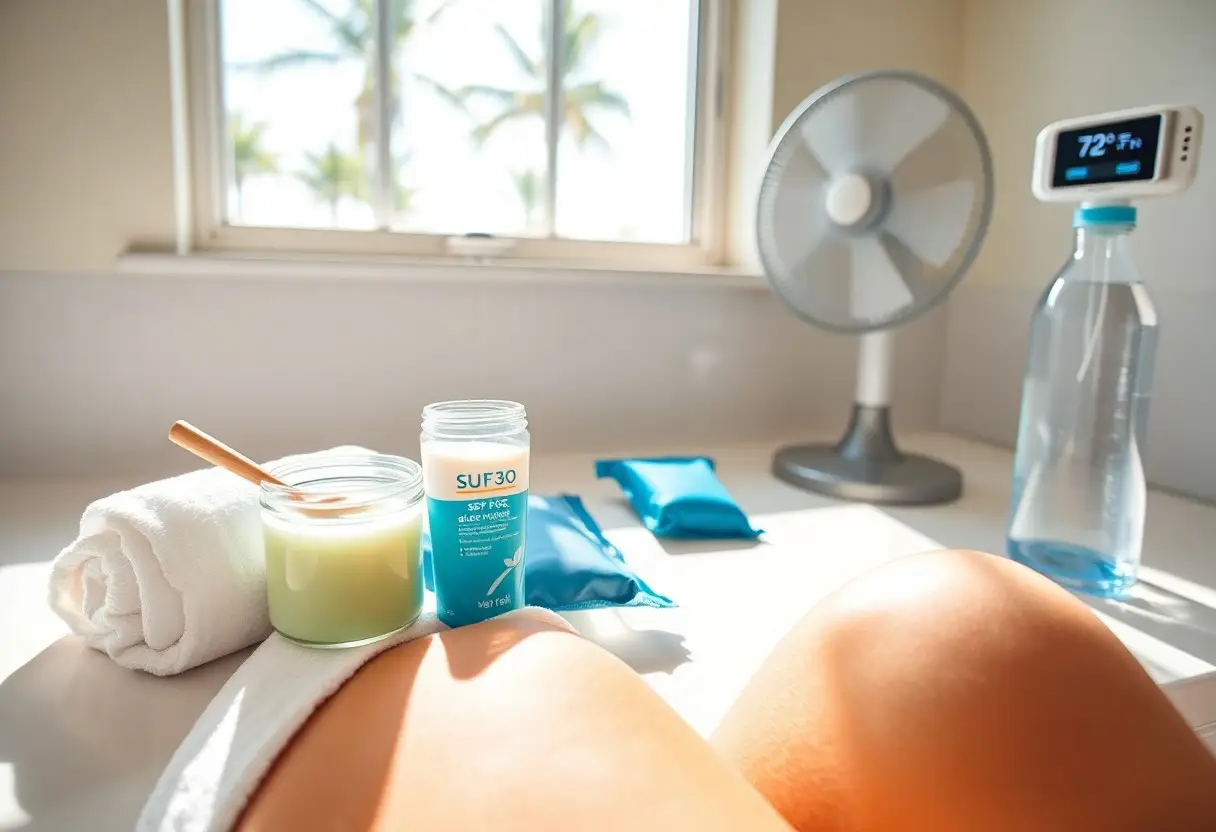
It’s hot in South Florida, so you should adjust post-wax care: cool and keep skin dry to prevent irritation and infection, avoid sun and hot tubs, and choose breathable fabrics for faster healing and reduced discomfort.
Key Takeaways:
- High humidity and heat increase sweating and friction; keep the waxed area clean and dry and wear loose, breathable fabrics for 24-48 hours to reduce irritation.
- Warm temperatures raise the risk of clogged pores and ingrown hairs; gently exfoliate after 48 hours and use a light salicylic acid product to help prevent bumps.
- Sun and heat increase skin sensitivity and infection risk; avoid hot tubs, saunas, heavy creams, and direct sun for 48 hours and soothe with a cool aloe or non-comedogenic hydrating gel.
The Impact of Tropical Humidity on Skin Recovery
Humidity increases sweating and keeps pores open longer, so you’ll experience slower healing and prolonged redness; protect freshly waxed skin with lightweight, breathable fabrics and short-term cooling gels to reduce irritation and lower the risk of infection.
Understanding Pore Dilation and Increased Sensitivity
Pores dilate in tropical heat, which makes your skin more sensitive and prone to post-wax bumps; apply a gentle, alcohol-free toner and avoid exfoliating for 48 hours to minimize open pores and irritation.
Managing Sweat to Prevent Post-Wax Folliculitis
Sweat traps bacteria against freshly waxed follicles, increasing your chance of folliculitis, so wash with a mild antiseptic cleanser, change damp clothing promptly, and choose loose, breathable fabrics until healing completes.
Aftercare includes showering with lukewarm water, gently patting your skin dry, applying an antiseptic wipe or lightweight antibacterial gel, and avoiding sweaty activities for 24-48 hours; if you notice spreading redness, pus, or fever, contact a professional immediately to treat potential infection.
Immediate Sun and Water Precautions
Heat increases skin sensitivity after waxing in South Florida, so you should avoid direct sun and pool or ocean exposure to lower the chance of burning, hyperpigmentation, and infection.
The Critical 48-Hour UV Protection Window
You should shield freshly waxed skin for 48 hours, using clothing or an SPF 30+ mineral sunscreen only if necessary, because UV exposure drives severe irritation and permanent hyperpigmentation.
Risks of Saltwater and Chlorine Exposure
Saltwater and chlorine irritate open follicles after waxing, so you should skip ocean swims and pools for at least 48 hours to prevent stinging, prolonged inflammation, and infection.
Avoid swimming for 48 to 72 hours; if you enter chlorinated pools or the ocean, rinse gently with fresh water, pat dry, and apply a soothing, fragrance-free moisturizer to reduce infection risk and excessive inflammation.
Optimized Cleansing for High Temperatures
Sweat breeds bacteria after waxing in South Florida, so you should choose gentle, cooling cleansers that remove salt and oil without irritating fresh skin. Use antimicrobial or mild sulfate-free washes and pat dry to reduce follicle inflammation.
Cleansing Tips
| Issue | Care |
|---|---|
| Excess sweat | Use cooling, antimicrobial wash |
| Residue | Rinse thoroughly; pat dry |
Transitioning to Antimicrobial and Cooling Cleansers
Switch to a gentle antimicrobial and cooling cleanser after waxing to lower infection risk and calm heat-sensitive skin. Apply with light motions, avoid scrubs, and rinse thoroughly to prevent residue that traps bacteria.
Why Temperature Control Matters During Showers
Keep shower water lukewarm after waxing to avoid opening pores and increasing inflammation; hot showers can worsen redness and raise infection risk. Pat dry and air-dry before applying aftercare.
Lower shower temps to about 90°F to prevent dilated follicles and excessive bleeding on your delicate skin; cool water also soothes and helps reduce swelling. After shower, you should gently blot and avoid tight clothing until skin calms.
Shower Temperature Guide
| Temperature | Effect / Action |
|---|---|
| Lukewarm (~90°F) | Soothes skin; reduces swelling |
| Hot (>100°F) | Dilates follicles; increases redness and infection risk |
Hydration Without Clogging: Choosing the Right Products
Heat accelerates sweating and oil, so you should pick lightweight, non-comedogenic hydrators to avoid breakouts; follow Waxing Aftercare Tips for Long-Lasting Results for specifics.
Prioritizing Non-Comedogenic, Water-Based Formulas
You should choose water-based, non-comedogenic lotions and gels that hydrate without trapping sweat or causing clogged pores in hot, humid conditions.
Essential Ingredients for Calming Heat-Induced Irritation
Opt for products with aloe, niacinamide, and panthenol to soothe redness and restore moisture while keeping pores clear after waxing.
When your skin shows heat-triggered redness or tiny bumps, you should apply formulations containing aloe vera for cooling relief, niacinamide to reduce inflammation and control oil, and ceramides or panthenol to rebuild the barrier. Avoid alcohol, heavy oils, and synthetic fragrance because they can worsen irritation and clog pores; patch-test new products before full use.
Strategic Exfoliation in a Damp Climate
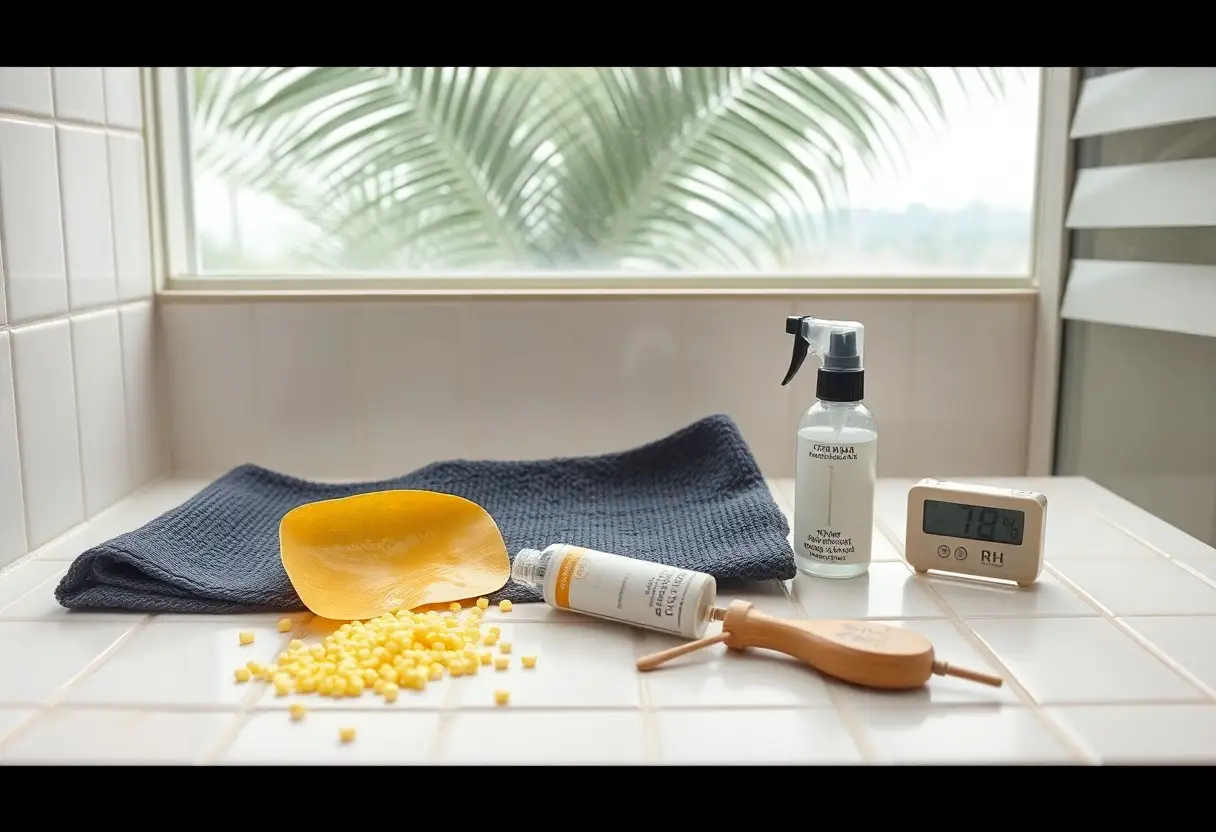
Humidity accelerates dead-skin buildup and trapped oils after waxing, so you should exfoliate gently 2-3 times weekly with a soft chemical or brush to prevent ingrown hairs and bacterial infection. Avoid vigorous scrubs that create microtears and raise irritation risk.
Adjusting Frequency to Combat Ingrown Hairs
Increase exfoliation to three times weekly during humid months if you’re prone to ingrown hairs; always pause if skin becomes red or sore. Prioritize gentle tools and stop at inflammation to reduce infection risk.
Selecting Gentle Acids Over Abrasive Scrubs
Choose mild chemical exfoliants like 1-2% salicylic or low-strength lactic acid instead of gritty scrubs; acids clear pores without scratching skin, lowering irritation and infection chance in humid South Florida.
When choosing acids, favor low concentrations: use 1-2% salicylic for pore-clearing and 5-10% lactic for gentle surface exfoliation. Wait at least 48 hours post-wax, patch-test, and avoid acids on any broken or red skin. High-strength or physical scrubs can create microtears that increase infection and hyperpigmentation risk in humid climates.
Lifestyle Modifications for the Florida Heat
South Florida’s heat forces you to adjust post-wax habits: stay cool, avoid sun exposure, and prioritize cooling, breathable clothing to cut irritation and infection risk.
Selecting Breathable Fabrics to Minimize Friction
Choose lightweight, moisture-wicking fabrics like cotton or bamboo so you reduce friction and sweat buildup; tight synthetics increase irritation and should be avoided while skin heals.
Managing Physical Activity and Post-Wax Perspiration
Limit strenuous exercise for 24-48 hours after waxing to prevent excessive sweating, clogged pores, and greater risk of irritation or infection; cool showers and patting dry help.
When you resume workouts, schedule low-sweat activities like walking or gentle yoga for at least 48 hours, wear breathable, loose clothing, and carry a clean towel to blot sweat-do not rub. If you notice persistent redness, increasing pain, pus, or fever, seek professional care, as those signs indicate infection.
Final Words
Drawing together, you adapt post-wax care for South Florida heat by cooling treated skin, staying hydrated, avoiding sun and tight clothing, applying lightweight fragrance-free moisturizers, and scheduling evening appointments to reduce irritation and ingrown hairs.