
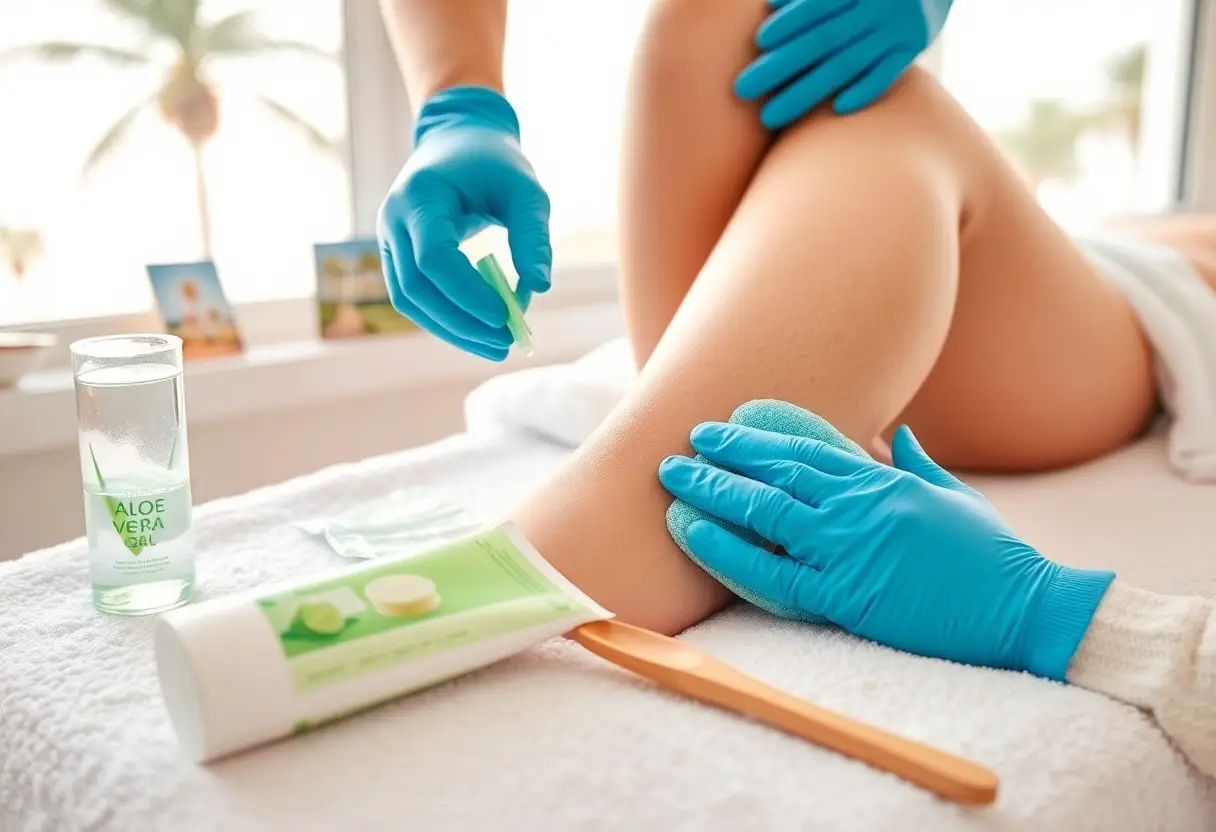
There’s higher heat and humidity in Boynton Beach that can increase swelling and infection risk, so you should cool skin, avoid sun and heavy sweating after waxing, and use healing aloe or prescribed ointments to soothe and prevent complications.
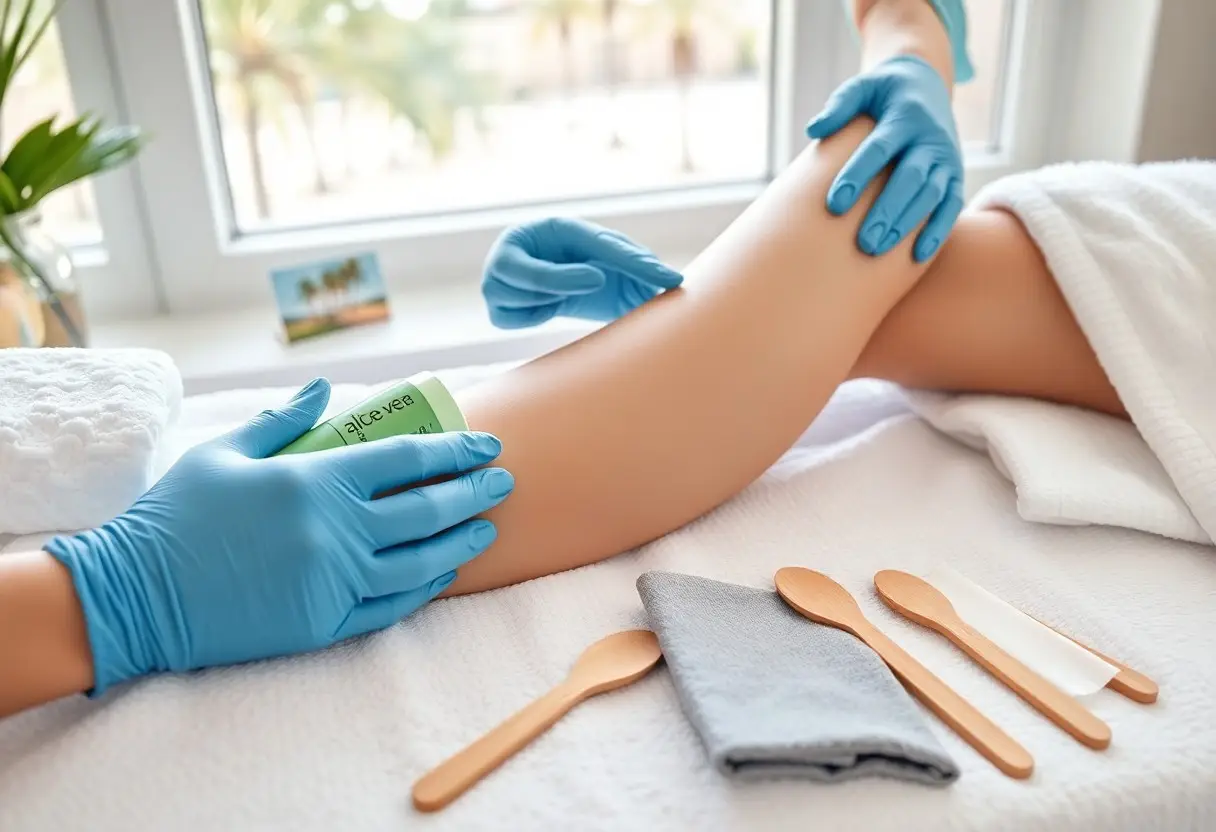
Key Takeaways:
- Prep skin 24-48 hours before waxing by exfoliating gently, keeping the area clean and dry, trimming hair to about 1/4 inch, and avoiding sun, tanning, or topical retinoids for two weeks prior.
- Choose a licensed esthetician who uses the right wax (hard wax for sensitive areas) and a gentle technique to reduce tugging, bruising, and inflammation.
- Soothe and protect skin after waxing with aloe or a cooling gel, avoid hot tubs, saunas, heavy sweating and sun exposure for 24-48 hours, and wear loose, breathable clothing in Boynton Beach’s heat and humidity.
Identifying Environmental Factors Affecting Skin Sensitivity
Coastal conditions shape your skin sensitivity; monitor humidity, UV, and saltwater levels.
- High heat
- Salt spray
- Strong sun
Thou should schedule waxes on cooler, lower-exposure days.
Impact of Boynton Beach Humidity on Pore Health
Humidity swells pores and raises oil, so you become more likely to suffer clogging and rashes after waxing; cool compresses reduce risk.
Effects of Saltwater and UV Exposure Post-Treatment
Saltwater and UV exposure can inflame follicles and darken irritation, so you should avoid swimming and sun for 48 hours.
Protect treated skin by avoiding ocean dips and direct sun for at least 48-72 hours; salt irritates open follicles and UV worsens pigmentation and swelling. Use a gentle cleanser, apply a hypoallergenic barrier, and seek professional care if you notice severe redness or pus.
How-To Select a Reputable Boynton Beach Esthetician
Check local reviews, photos, and referrals to pick a Boynton Beach esthetician who treats sensitive skin; you should confirm that they use single-use supplies, show consistent positive feedback, and welcome pre-wax consultations before booking.
Verifying Sanitization and Licensing Standards
Ask to see current licenses and watch for visible sanitization: autoclaved tools, disposable applicators, and clear surface disinfection minimize infection and skin irritation.
Choosing Between Hard and Soft Wax for Sensitive Skin
Consider hard wax for sensitive zones because it grips hair, not skin, reducing pull and post-wax inflammation; you may choose soft wax for coarse hair when your esthetician confirms gentle application.
Compare textures: hard wax sets and removes without strips, lowering trauma on delicate skin and offering less irritation, while soft wax spreads thin and can elevate surface redness. You should request a patch test, disclose retinoid or topical steroid use, and insist the esthetician checks wax temperature to avoid thermal burns. If you have acne, eczema, or open lesions, postpone waxing to prevent infection; a skilled esthetician will suggest alternatives like sugaring or trimming.
Immediate Aftercare Steps to Reduce Redness
Aftercare immediately helps you cool skin: gently press a cold compress for 5-10 minutes, avoid hot showers, and pat the area dry; apply a thin layer of unscented soothing lotion and skip exercise for 24 hours to reduce redness and lower infection risk.
Applying Calming Botanicals and Cooling Gels
Apply aloe vera gel or a chamomile-based balm sparingly, letting cooling botanicals soothe inflammation on your skin; avoid products with alcohol, fragrance, or active acids that can cause severe irritation.
Avoiding Tight Clothing and Heat Exposure
Avoid tight fabrics and staying in hot, humid environments for at least 24 hours; choose loose cotton or linen so you minimize friction and sweating that can prolong redness or lead to follicle irritation.
Choose breathable, natural fabrics and wear them for 48 hours after waxing to reduce friction and trap less heat; avoid elastic waistbands and synthetic blends that rub the skin. If you experience persistent swelling, pustules, or severe pain, stop topical products and consult your salon or a healthcare provider to rule out infection.
Long-Term Strategies for Smooth Skin
Long-term care helps you maintain smooth, irritation-free results by combining regular aftercare, sun avoidance, and hydration. Keep up gentle exfoliation and moisturize to reduce ingrown hairs and minimize infection risk, especially after active days in the Florida sun.
Ongoing Exfoliation to Prevent Ingrown Hairs
Exfoliation twice weekly helps you slough dead skin and prevent ingrown hairs. Use gentle chemical or physical exfoliants and stop if you see redness; over-exfoliating can worsen irritation.
Establishing a Consistent Waxing Schedule
Scheduling sessions every four to six weeks lets your hair reach the ideal length and helps you reduce irritation. Track cycles and skip waxing if skin is red or sunburned to avoid tears and infection.
You should communicate medications, recent tanning, or skin treatments to your esthetician so they can adjust timing; retinoids and recent sun exposure increase breakage and risk. Keeping records of reactions and preferred timing helps you maintain smoother results with fewer complications.
Summing up
Taking this into account, you should exfoliate and clean skin before waxing, choose a licensed esthetician in Boynton Beach, avoid sun and hot tubs pre- and post-wax, apply soothing aloe or fragrance-free lotion afterward, wear loose clothes, and stagger retinoids to reduce irritation.