
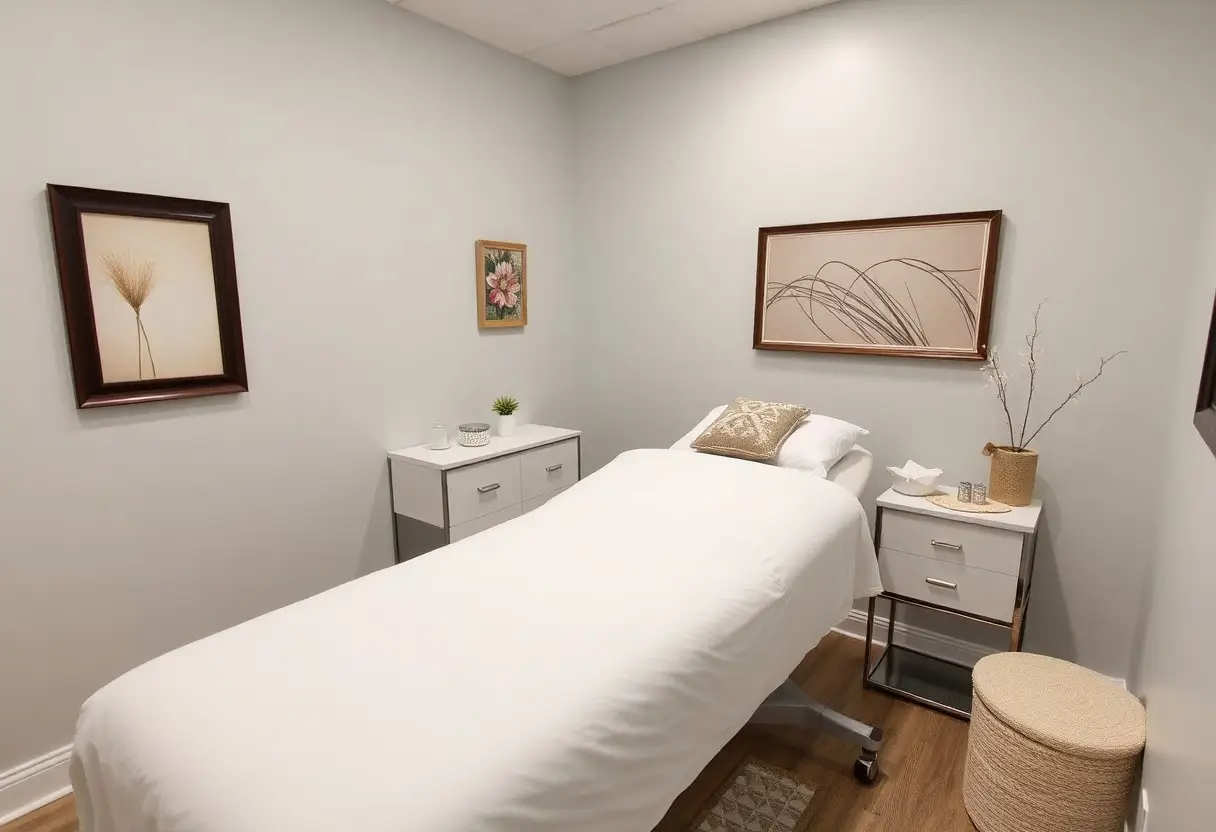
Expectations for your first waxing experience can vary, but knowing what to anticipate will make the process smoother. You may feel a brief sting during hair removal, which can be alleviated with proper aftercare. The benefits include smoother skin and longer-lasting results compared to shaving. However, be cautious of allergic reactions or skin irritation; always consult with your technician beforehand. By following advice and preparing adequately, you can enjoy a positive waxing experience that leaves your skin glowing.
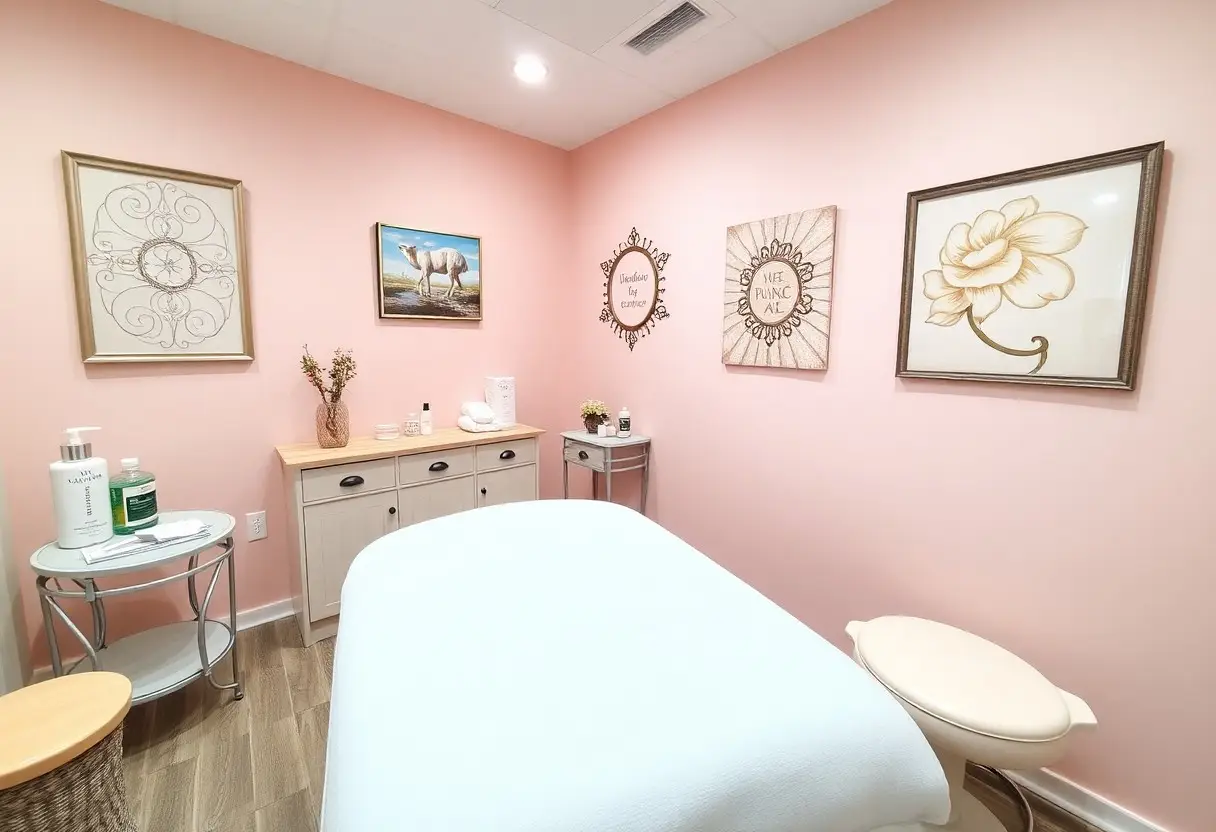
What to Expect During Your First Wax
Your first waxing experience can be both exciting and nerve-wracking. Expect to feel a range of sensations, from discomfort to relief as the hair is removed at the root, resulting in smooth skin. The wax will either be warm or cold, depending on the technique used, and your esthetician will guide you through the process. After the session, skin may appear red or slightly irritated, which typically subsides within a few hours.
The Consultation Process: Setting Expectations
Before your waxing appointment, the esthetician will conduct a consultation to discuss your specific needs and any concerns. You will be asked about your skin type, allergies, and previous hair removal methods. This dialogue helps them tailor the experience to your comfort and ensure you understand what to expect during and after the waxing process.
Understanding the Different Waxing Techniques
There are several waxing techniques, each suited for different areas of the body and hair types. Soft wax, often used for larger areas, requires a cloth strip for removal, while hard wax solidifies on the skin and is pulled off without strips, making it ideal for sensitive areas. Choosing the appropriate technique can enhance comfort and effectiveness.
Soft wax is typically applied in a thin layer and removed with a cloth strip, making it quick and effective for larger areas like legs and arms. This method can result in a more extensive hair removal but may cause more irritation for some individuals. Hard wax, on the other hand, is thicker and adheres only to the hairs rather than the skin, making it a gentler option for sensitive areas such as the bikini line or underarms. It’s especially beneficial for those with coarse hair or sensitive skin, as it minimizes discomfort and redness. Understanding these techniques allows you to discuss the best option for your waxing needs with your esthetician.
Navigating the Pre-Wax Checklist
A solid pre-wax checklist ensures you’re well-prepared for your appointment. Consider your skin type and any sensitivities, as these factors can influence your experience. For optimal results, adhere to the following guidelines:
Skin Preparation: Tips for Optimal Results
Exfoliating your skin a day or two before your appointment can significantly enhance the waxing process. This removes dead skin cells, allowing for a smoother wax and reducing the chance of ingrown hairs. Use gentle scrubs and hydrate your skin with lotion after exfoliating. Avoid sun exposure prior to waxing to reduce irritation. This will lead to a better overall experience.
- Exfoliate gently to smooth the skin.
- Moisturize adequately to keep skin hydrated.
- Avoid sun exposure before your appointment.
What to Avoid in the Days Leading Up to Your Appointment
Avoid harsh products or sun exposure in the days leading up to your waxing session. Steering clear of exfoliating acids and retinoids is necessary, as these can cause skin irritation and increase sensitivity during the waxing process. Limit activities that may lead to perspiration or skin stress, such as strenuous exercise or hot baths. This preparation will help ensure your skin is in optimal condition for waxing.
The Experience: From Start to Finish
Arriving at the Salon: What You Need to Know
Arriving at the salon can set the tone for your waxing experience. Aim to arrive 10-15 minutes early to fill out any necessary paperwork and discuss your preferences or concerns with the esthetician. Bring any products you use for skin care, as they might ask you to avoid certain items before your appointment. Wearing loose-fitting clothing can help minimize discomfort after your wax.
The Waxing Procedure: Step-by-Step Breakdown
Your waxing procedure unfolds in a straightforward manner. First, the esthetician prepares the area by cleansing your skin, followed by applying a pre-wax oil to protect your skin. Next, they carefully spread a thin layer of wax over the targeted area and place a cloth or paper strip on top. Once the wax sets briefly, they’ll remove it swiftly, pulling against the direction of hair growth. The process concludes with post-wax soothing lotion to calm the skin.
Step-by-Step Breakdown of the Waxing Procedure
| Step | Details |
| 1. Skin Preparation | Cleanse the area; apply a protective oil. |
| 2. Wax Application | Apply a thin layer of wax in the direction of hair growth. |
| 3. Strip Placement | Press a cloth or paper strip onto the wax. |
| 4. Removal | Quickly pull the strip against hair growth. |
| 5. Aftercare | Apply a soothing lotion to calm any redness. |
Understanding the waxing procedure helps ease any anxiety. The process is designed to minimize discomfort with each step tailored to ensure your safety and satisfaction. Skin preparation includes not only cleansing but also ensuring that any excess oils are removed. The wax must adhere properly to the hair for effective removal. After the initial application, patience is key as the esthetician works carefully to ensure a clean, smooth finish while using techniques to alleviate potential discomfort. Post-wax, the soothing application can significantly enhance your comfort, making a noticeable difference in the overall experience.
Post-Wax Care: Maintaining Your Results
Taking care of your skin after a wax is important for prolonging the results and ensuring a smooth recovery. Avoiding irritation and maintaining hydration will significantly enhance your skin’s appearance and comfort. Incorporate gentle products, avoid sun exposure, and keep the area clean to achieve the best outcomes. Dedicating a little time to your post-wax care will yield long-lasting benefits.
Immediate Aftercare: Dos and Don’ts
After waxing, prioritize gentle cleansing and moisturizing your skin. Avoid hot showers, tight clothing, and strenuous workouts for at least 24 hours to minimize irritation. Say no to topical products with fragrances or harsh chemicals, which can lead to redness. Your skin needs time to recover, therefore, indulging in cool compresses can help soothe any discomfort.
Long-Term Maintenance: Tips for Healthy Skin
For optimal skin health post-waxing, incorporate a routine that includes regular exfoliation and hydration. Using a gentle exfoliator weekly can help prevent ingrown hairs, while daily moisturizing keeps your skin balanced. Opt for products formulated for your skin type to enhance rejuvenation. Perceiving long-term results requires consistent care and attention to your skin’s needs.
- Regular exfoliation promotes skin renewal.
- Daily moisturization is vital for skin softness.
- Sun protection prevents damage and discoloration.
- Proper cleansing habits ensures clear, healthy skin.
- Choosing the right products avoids irritation.
Incorporating these strategies into your skincare regimen can significantly enhance the effects of your waxing treatments. Aim for a balance that respects your skin’s natural barrier while keeping it free from impurities. Utilize products with natural ingredients that calm and nourish, steering clear of aggressive formulations. Perceiving the overall impact on your skin will motivate you to maintain these beneficial habits long-term.
- Hydration keeps your skin plump and supple.
- Consultation with professionals offers personalized advice.
- Scar reduction treatments can improve skin texture.
- Using sunscreen protects healing skin.
- Regular salon visits maintain hair-free results.
Common Myths Busted: Dispelling Waxing Misconceptions
Many misconceptions surround waxing, leading to unnecessary fears and hesitation. A prevalent myth is that waxing causes excessive pain; however, most clients report the discomfort is brief and tolerable. Additionally, some believe waxing leads to thicker hair regrowth, which is false; the hair you remove is the same. Understanding these myths can help demystify the waxing experience and make it more approachable for first-time clients in Boynton Beach.
Pain Perception: What Is Actually Happening?
Your perception of pain during waxing is often influenced by anxiety and anticipation. In reality, waxing pulls hair from the root, which can cause a quick, sharp sensation. The underlying benefit is that hair regrowth becomes finer and lighter over time, reducing future discomfort.
Hair Growth Myths: Understanding the Cycle
Many believe that waxing stimulates hair growth, but this is a misconception. Hair grows in cycles, consisting of growth, resting, and shedding phases. Waxing targets hair in the active growth phase; thus, while it may seem like more hair appears, it is actually the normal cycle at play.
Typically, hair grows in three phases: anagen (growth), catagen (transition), and telogen (rest). Waxing removes hair in the anagen phase, which is why regrowth occurs in cycles rather than immediately post-wax. Clients can expect longer intervals between waxes as their hair follicles are weakened over time, leading to finer, less noticeable hair sooner than expected. Understanding this cycle helps you set realistic expectations around hair regrowth and maintenance.
Conclusion
Taking this into account, your first wax in Boynton Beach can be a smooth experience with the right preparation and mindset. You should expect a brief consultation to discuss your areas of concern, the waxing process itself, and aftercare tips. It’s normal to feel a bit apprehensive, but knowing what to anticipate can ease your nerves. Listen to your technician’s advice and ensure you ask any questions you may have. By approaching your first waxing experience with an informed perspective, you can enjoy the benefits of smooth skin confidently.