
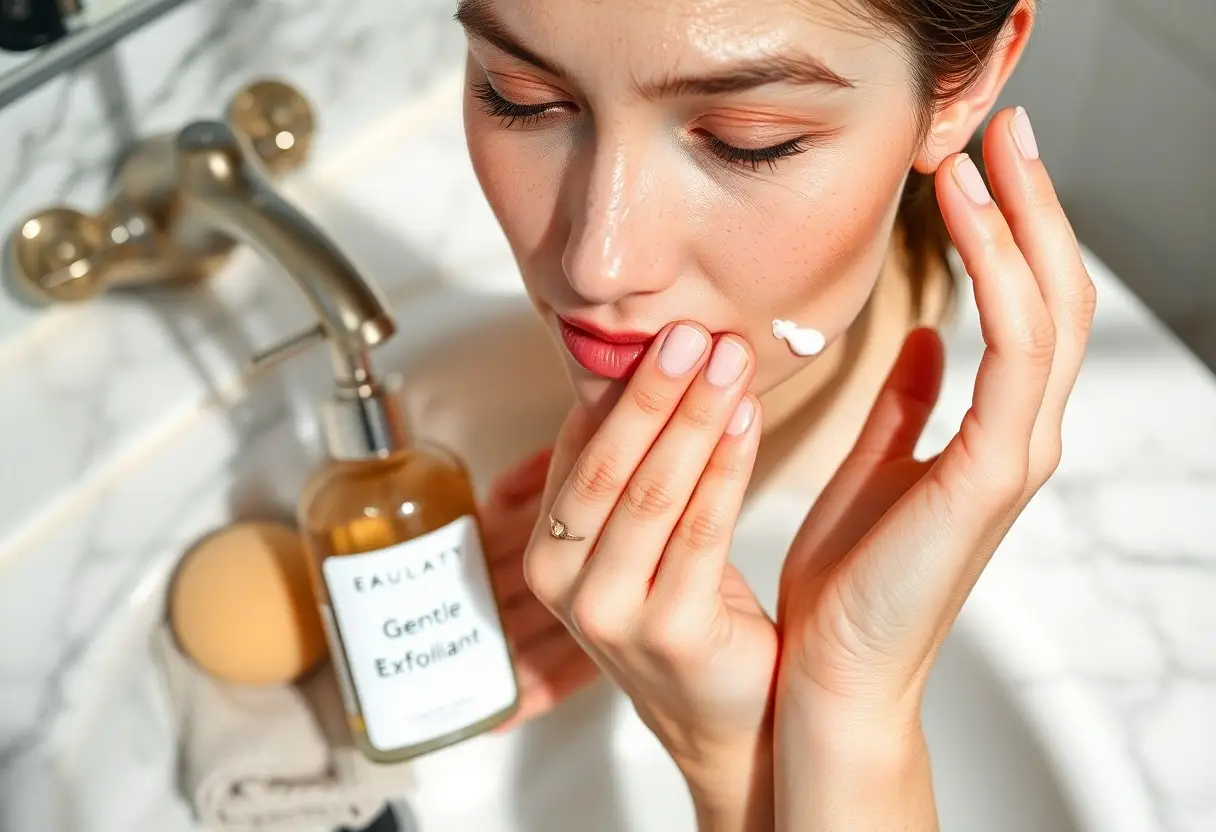
Gentle exfoliation protects your skin’s barrier while removing dead cells. Scrubbing too hard can cause micro-tears and inflammation, leading to redness and sensitivity. You don’t need aggressive rubbing to see results. Using the right product and technique delivers smoother, healthier skin without damage. This guide shows you how.
Identifying Key Factors of Skin Sensitivity
Your skin’s reaction to exfoliation depends on several key factors, including genetics, environmental exposure, and current skincare habits.
- Genetics influence your baseline sensitivity
- Climate can weaken your moisture barrier
- Product overload increases irritation risk
Knowing your personal triggers helps prevent damage and supports healthier exfoliation practices.
Assessing the integrity of the moisture barrier
Your moisture barrier acts as your skin’s first line of defense. When it’s compromised, you may notice increased dryness, tightness, or reactivity to products. A healthy barrier retains hydration and resists irritants effectively. Knowing how your skin holds moisture guides safer exfoliation choices.
Recognizing the symptoms of over-exfoliation
Redness, stinging, and flaking often signal you’ve gone too far. Your skin may feel rougher instead of smoother, and breakouts can appear due to irritation. A shiny yet tight complexion is another red flag. Knowing these signs early prevents long-term sensitivity.
Over-exfoliation strips away important lipids and disrupts your skin’s natural renewal cycle. This damage can lead to chronic inflammation, increased transepidermal water loss, and heightened reactivity to even mild ingredients. You might mistakenly treat the flaking with more exfoliants, worsening the condition. Knowing the difference between normal adjustment and true irritation is important for recovery and long-term skin health.
How-to Select the Right Chemical Exfoliants
Choosing the correct chemical exfoliant depends on your skin type and concerns. Overusing strong formulas can damage your moisture barrier, so start with lower concentrations. Look for products labeled non-comedogenic and fragrance-free to reduce irritation risk. Always patch test and introduce one exfoliant at a time.
Utilizing AHAs for gentle surface renewal
AHAs like glycolic and lactic acid work on the skin‘s surface to dissolve dead cells and improve texture. They’re ideal for dry or sun-damaged skin</游戏副本
Essential Tips for a Non-Abrasive Routine
- Choose gentle exfoliants with chemical rather than physical action
- Use circular motions with light pressure only
- Limit exfoliation to 2-3 times per week
- Always follow with soothing moisturizer
After over-scrubbing can damage your skin barrier, consistency and gentleness matter most.
Proper application techniques for liquid exfoliants
Apply liquid exfoliants with clean fingertips or a cotton pad using light swipes. Avoid rubbing harshly, as the product works best when left to absorb. Let it dry naturally-no rinsing-so active ingredients penetrate effectively. After your skin stays calm and responsive, you’re using it right.
Timing your routine to avoid irritation
Use exfoliants at night when possible, giving skin time to recover overnight. Overuse leads to redness and sensitivity, especially with strong acids. After your skin feels tight or stings, you’ve likely exfoliated too soon.
Timing your routine to avoid irritation means respecting your skin‘s natural renewal cycle. Applying exfoliants too frequently disrupts the surface, weakening its defense. Nighttime application aligns with your skin’s peak regeneration, reducing visible reactions. After even one session too close together, irritation can set in-especially with glycolic or salicylic acid. Space treatments at least 48 hours apart unless your dermatologist advises otherwise.
Factors Influencing Product Absorption and Efficacy
- Your skin’s barrier function determines how well actives penetrate
- Product formulation affects delivery and stability of ingredients
- Molecular size influences whether compounds reach deeper layers
- Application on damp skin can enhance absorption
Recognizing your skin’s unique needs helps you choose exfoliants that work efficiently without aggression.
The impact of skin pH levels
Your skin’s natural pH affects how well exfoliating acids perform. A balanced pH around 4.5-5.5 supports the skin barrier and optimizes enzyme activity. If your product disrupts this balance, it may cause irritation or dryness. Using pH-appropriate exfoliants ensures gentler, more effective results.
Environmental triggers and seasonal changes
Cold winds and indoor heating in winter can weaken your skin barrier, making it more sensitive to exfoliation. In summer, increased sweat and sun exposure raise the risk of over-exfoliation. Adjust your routine with the seasons to avoid damage.
Seasonal shifts alter your skin’s hydration and oil production. In winter, lower humidity demands milder exfoliation and added moisture. During summer, sweat and UV exposure can amplify irritation from acids. You may need to reduce frequency or switch formulas. Recognizing how temperature and humidity affect your skin helps maintain clarity without compromise.
How-to Use Enzymatic Peels for Sensitive Skin
You can gently exfoliate reactive skin using enzymatic peels that dissolve dead cells without physical abrasion. These formulas work on the surface layer, breaking down protein bonds that hold dull skin together. Always patch test first, and limit use to once or twice weekly to avoid overstimulation.
Benefits of pineapple and papaya enzymes
Pineapple contains bromelain, a natural enzyme that reduces inflammation while dissolving dead skin cells. Papaya delivers papain, which gently digests keratin without irritating sensitive complexions. Both offer brightening effects and help improve texture over time with consistent, careful use.
Step-by-step guide for rinse-off treatments
Cleanse your face with lukewarm water before applying the enzymatic peel. Leave it on for the time specified-usually under 10 minutes-then rinse thoroughly. Do not overuse; once weekly is enough to see results without compromising your moisture barrier.
| Step | Action |
| 1 | Wash face with a mild cleanser and pat dry |
| 2 | Apply a thin, even layer of enzymatic peel |
| 3 | Wait 5-10 minutes-do not let it dry completely |
| 4 | Rinse with lukewarm water and follow with soothing moisturizer |
Timing matters when using rinse-off enzymatic peels. Leaving the product on too long may lead to redness or stinging, especially if your skin is prone to sensitivity. Always set a timer and use non-abrasive motions when rinsing. Follow with a calming serum or fragrance-free moisturizer to support recovery and hydration.
| Tips | Details |
| Frequency | Use only 1-2 times per week |
| Water temperature | Lukewarm-hot water increases irritation risk |
| Post-treatment | Apply a soothing moisturizer immediately |
| Avoid if | You have open cuts, active acne, or sunburn |
Professional Tips for Post-Exfoliation Care
Always soothe your skin after exfoliation to prevent irritation and support recovery. Use a gentle, fragrance-free moisturizer, avoid hot water, and never skip sunscreen. Thou know better than to rush your routine-patience protects your glow.
Rebuilding the barrier with ceramides and lipids
Ceramides and lipids restore your skin’s natural shield after exfoliation. These ingredients help lock in moisture and defend against environmental stress. Thou strengthen resilience with every application.
Maintaining protection through consistent SPF application
Sun exposure after exfoliation increases risk of damage due to heightened sensitivity. A broad-spectrum SPF 30 or higher is non-negotiable. Thou protect your progress with daily use, even indoors.
Exfoliated skin sheds its outermost layer, leaving fresh cells exposed and vulnerable. UV rays penetrate more easily, raising the risk of hyperpigmentation and premature aging. Wearing SPF every morning builds a reliable defense, ensuring your results last without setbacks. Thou honor your skin’s renewal by shielding it daily.
Conclusion
So, you now know how to exfoliate without scrubbing too hard. Use gentle, circular motions with a soft tool or chemical exfoliant suited to your skin type. Let the product do the work-no need for aggressive rubbing. Consistency and care yield better results than force, keeping your skin smooth and irritation-free over time.
FAQ
Q: What are some gentle alternatives to physical scrubbing for exfoliation?
A: Chemical exfoliants like alpha hydroxy acids (AHAs) and beta hydroxy acids (BHAs) dissolve dead skin cells without requiring friction. Glycolic acid, an AHA, works well on the surface for dullness, while salicylic acid, a BHA, penetrates oil to clear pores. Enzyme exfoliators from papaya or pineapple break down keratin gently. These options reduce the risk of microtears caused by harsh scrubbing and are ideal for sensitive or reactive skin.
Q: How can I tell if I’m exfoliating too aggressively?
A: Signs of over-exfoliation include redness, stinging when applying products, tightness, flaking, or increased breakouts. The skin may feel rough instead of smooth, even after moisturizing. If your skin barrier feels compromised-like it’s reacting to products it normally tolerates-scaling back exfoliation frequency or switching to a milder method can help restore balance. Most people see improvement within a few days of stopping aggressive exfoliation.
Q: How often should I exfoliate if I want to avoid irritation?
A: Most skin types benefit from exfoliating 1 to 3 times per week, depending on sensitivity and the exfoliant used. Oily or acne-prone skin might tolerate more frequent use of a BHA, while dry or sensitive skin often does better with a mild AHA once or twice weekly. Always patch test new products and introduce them slowly. Let your skin’s response guide your routine-smooth texture and even tone mean you’re on track.