
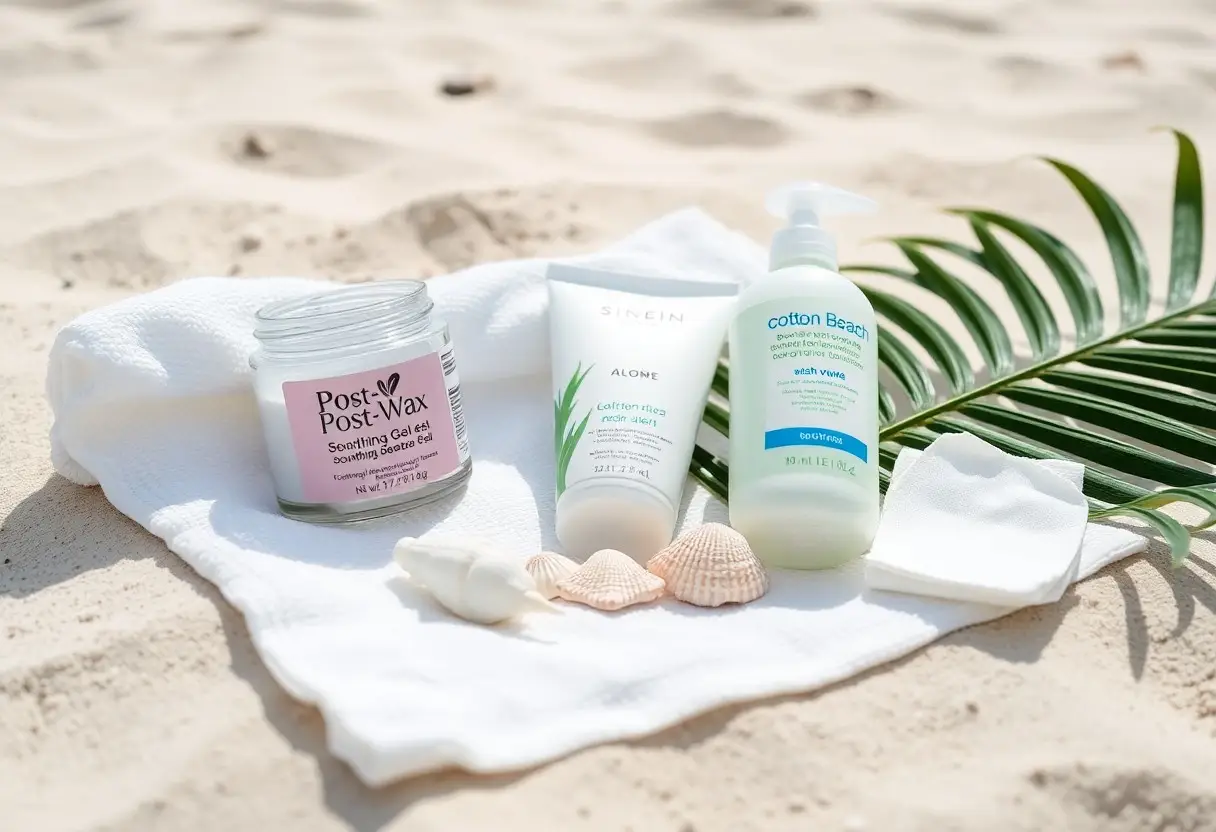

Overexposure and friction after waxing increase infection and ingrown hair risk; you should cool the area, use a gentle cleanser, apply a fragrance-free moisturizer, avoid tight clothing and pools for 24-48 hours, and contact your Boynton Beach wax specialist for persistent issues.
Key Takeaways:
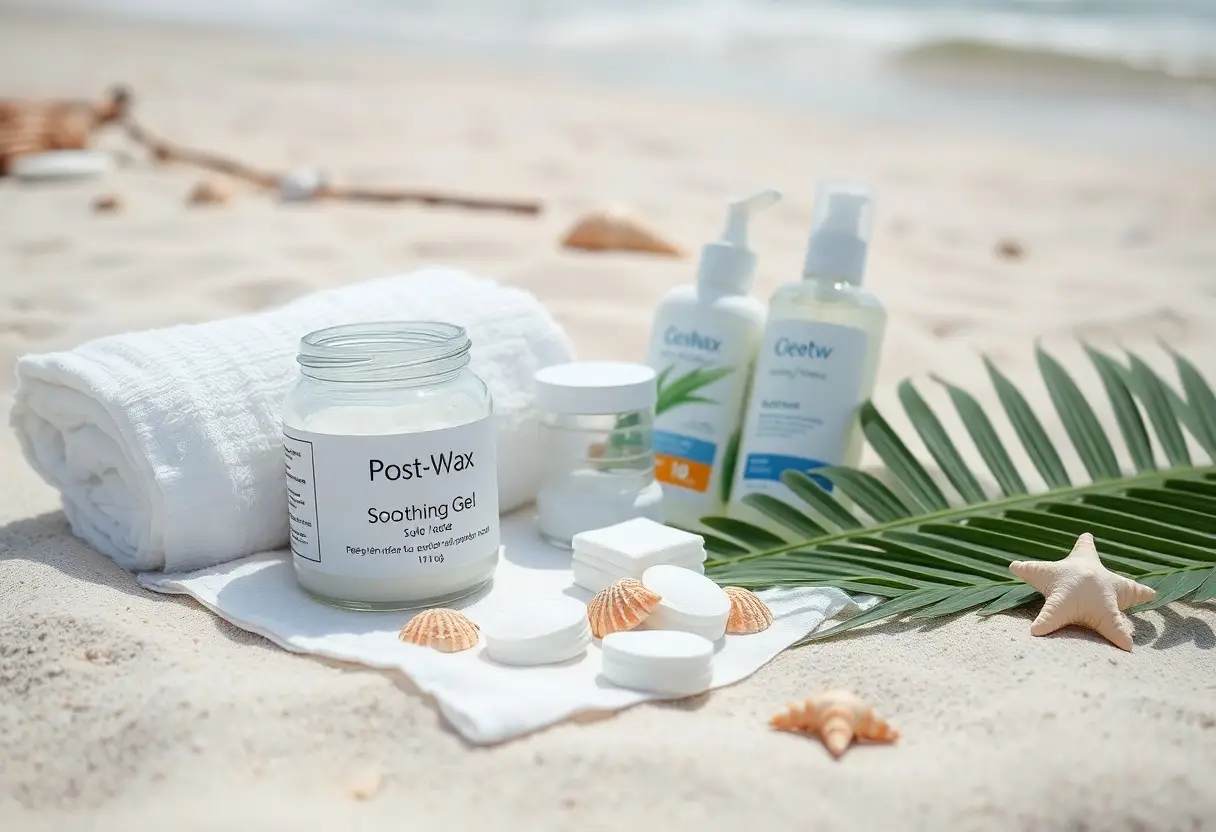
- Soothe and protect: gently cleanse with lukewarm water and a fragrance-free, pH-balanced cleanser; apply aloe vera or a post-wax calming gel and avoid hot showers, pools, and direct sun for 24-48 hours.
- Minimize friction: wear loose, breathable cotton clothing and avoid tight swimwear for at least 48 hours to reduce irritation in Boynton Beach’s humid, coastal conditions.
- Aftercare for ingrown hairs and sun: postpone exfoliation and strong actives for 72 hours; once skin is healed, use a gentle chemical exfoliant (low-strength salicylic acid) to prevent ingrowns and apply broad-spectrum SPF before sun exposure.
Understanding Post-Waxing Skin Sensitivity
Skin becomes more reactive after intimate waxing, so you may notice mild tenderness, tiny bumps, and warmth; use cool compresses, breathable clothing, and a gentle fragrance-free cleanser to soothe inflammation and lower infection risk.
The Biological Impact of Waxing on Intimate Tissues
Waxing strips hair from follicles, causing micro-tears and temporarily leaving open follicles; you should expect brief inflammation, slight bleeding at follicles, and heightened sensitivity while the barrier repairs.
Identifying Normal Redness vs. Potential Irritation
Redness immediately after waxing is common, but you should watch for spreading heat, severe pain, pus, or fever-these signs point to infection or an allergic reaction requiring care.
If redness persists beyond 48-72 hours, spreads, forms pus, causes increasing pain, or is accompanied by fever, you should stop topical irritants, apply a cool compress and a thin layer of aloe vera or 1% hydrocortisone for short-term relief, and contact a clinician because these are signs of possible infection or a severe reaction.
Immediate Aftercare: The Critical 24-48 Hour Window
You should keep it clean, avoid heat and friction, and skip hot baths during the first 24-48 hours. Watch for increasing redness, swelling, or spreading warmth-signs of infection that need prompt care. Use loose clothing and cool compresses to reduce irritation.
Recommended Soothing Agents and Topical Ingredients
Apply fragrance-free aloe vera, a cool compress, or a thin layer of 1% hydrocortisone for short-term relief; avoid heavy oils, perfumes, and retinoids that can worsen irritation. Choose products marked hypoallergenic and alcohol-free to protect healing skin.
Lifestyle Adjustments and Activities to Avoid
Avoid sexual activity, pools, hot tubs, saunas, intense workouts, and tight clothing for at least 48 hours; friction and bacteria raise infection risk. Shower with lukewarm water and pat the area dry gently.
Limit vigorous exercise and avoid tight synthetic fabrics; choose breathable cotton underwear and loose shorts to reduce rubbing. Skip exfoliation and further hair removal for at least one week, and avoid sun exposure or tanning beds until redness subsides. Seek medical care for fever, spreading redness, or increasing pain.
Strategic Exfoliation for Long-Term Smoothness
Exfoliation after waxing prevents ingrown hairs and keeps skin smooth; wait 48-72 hours before starting and choose gentle, fragrance‑free products to minimize irritation.
Comparing Chemical and Physical Exfoliants for Delicate Areas
Exfoliant Comparison
| Chemical Exfoliants | Physical Exfoliants |
|---|---|
| AHAs/BHAs dissolve dead skin and clear follicles | Soft cloths or fine scrubs lift surface cells |
| Low concentrations reduce ingrown hairs | Weekly use avoids microtears |
| Stop if you feel burning or long redness | Avoid gritty scrubs that abrade delicate skin |
Choose chemical AHAs/BHAs for gentle follicle action and ingrown hair prevention, and opt for soft physical methods weekly; halt use at the first sign of stinging or burning.
Establishing an Effective Weekly Exfoliation Schedule
Start with one gentle exfoliation 48-72 hours after waxing, then limit sessions to 1-2 times weekly; increase only if your skin shows no redness.
Monitor your skin over several weeks: if you experience persistent redness, swelling, broken skin, or burning, pause exfoliation and consult a professional. Use a mild cleanser first, apply a soothing fragrance‑free moisturizer after exfoliating, and always patch‑test new products to prevent long‑term irritation.
Hydration and Moisture Barrier Restoration
Hydration after waxing should restore your moisture barrier with gentle, fragrance-free products that lock in hydration without clogging pores; apply a thin layer to reduce irritation and lower the risk of infection.
Selecting Non-Comedogenic Intimate Oils and Lotions
Choose lightweight, non-comedogenic oils like squalane or jojoba and fragrance-free lotions so you don’t trap bacteria or cause breakouts. Apply sparingly after waxing and patch-test to prevent irritation.
The Importance of pH-Balanced Skincare Products
Balance your intimate care by choosing pH-balanced products (pH 4-5.5) to protect the microbiome and reduce stinging; this minimizes the chance of infection and prolonged sensitivity.
Using a pH-balanced intimate cleanser rather than alkaline soap helps preserve your natural flora and speeds healing; avoid scented, antibacterial, and harsh surfactants that can strip oils and cause severe irritation. If you notice persistent burning, swelling, or unusual discharge, contact a clinician to rule out infection.
Prevention and Management of Ingrown Hairs
Aftercare you should gently exfoliate 48 hours after waxing, moisturize with a non-comedogenic lotion, and use warm compresses to ease trapped hairs; consult Waxing Aftercare: The Complete Guide to Post … to prevent infection and stubborn bumps.
Understanding the Causes of Folliculitis After Waxing
Folliculitis often appears when waxing irritates follicles; you may introduce bacteria or trap dead skin that leads to painful, pus-filled bumps-cleanse gently and avoid tight clothing.
Targeted Treatments for Clearing Congested Pores
Exfoliation with chemical AHA or BHA once or twice weekly helps dissolve dead skin; you should combine with topical salicylic acid and non-comedogenic moisturizers to clear clogged pores and reduce ingrown hair risk.
Combine a weekly routine of gentle chemical exfoliation (2% salicylic acid or 5-10% glycolic) with targeted salicylic-based serums and non-comedogenic hydrators to dissolve trapped keratin and oil. You should avoid harsh scrubs that can worsen irritation, apply antiseptic cleansers to reduce bacterial load, and never pick at bumps. Seek professional care if you notice spreading redness, fever, or persistent, worsening infection, as oral antibiotics or in-office treatments may be needed.
Professional Maintenance in the Boynton Beach Climate
Boynton’s humidity intensifies irritation after waxing, so you should schedule appointments during cooler hours and pick salons offering cooling aftercare and single-use, sterile tools to reduce the risk of infection.
Humidity and Sweat-Related Skin Concerns
Humidity increases sweat and bacterial growth, so you should avoid heavy workouts for 24-48 hours, wear breathable cotton, and cleanse gently with a mild, fragrance-free wash to prevent folliculitis or breakouts.
Selecting Local Specialists Committed to Hygiene Standards
Choose specialists who display licenses, explain sterilization steps, use single-use applicators or an autoclave, and provide written aftercare to minimize the chance of infection.
Ask to see the technician’s license and proof of bloodborne pathogen training, verify they use single-use sticks and unopened wax, inspect for an autoclave or visible cleaning protocol, request a patch test when needed, and leave if staff cannot answer hygiene questions to avoid increased infection risk.
Final Words
So you should cleanse gently, apply a cooling, fragrance-free gel, avoid tight clothing and hot tubs for 48 hours, exfoliate lightly after 5-7 days, and moisturize with a non-comedogenic cream as needed; follow local salon guidance and seek care for persistent irritation.