
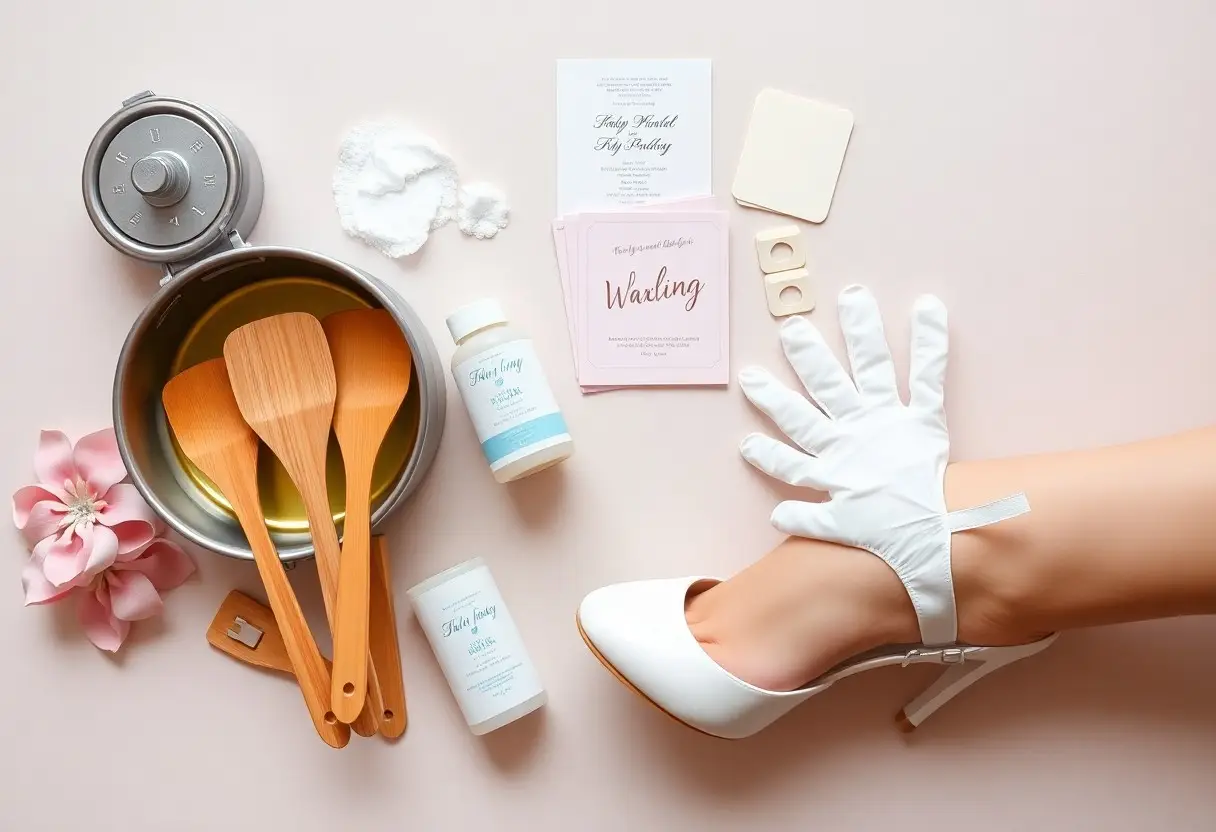
Just because you’re not the bride doesn’t mean you should skip pre-wedding prep-waxing at the right time ensures smooth, bump-free skin when it matters most. Schedule your session 48-72 hours before the event to avoid irritation, and never wax on the day of or the day before-infection and redness risks are too high. Stick to trusted professionals and gentle aftercare.
Understanding Different Types of Waxing Methods
Each waxing method targets hair removal differently, depending on your sensitive skin type and hair texture. Some techniques use heat, others rely on natural ingredients. Knowing
| Method | Best For |
| Hard Wax | Delicate areas like bikini line and face |
| Soft Wax | Larger areas such as legs and arms |
| Sugaring | Sensitive skin and fine hair |
| Fruit Wax | Natural alternative with gentle exfoliation |
Hard Wax vs. Soft Wax Applications
Hard wax cools and hardens on the skin before removal, lifting hair without pulling the surface layer. This makes it ideal for coarser hair and intimate zones. Soft wax uses cloth strips and works best on larger areas with finer hair. Knowing
Fruit and Sugaring Alternatives for Sensitive Skin
Fruit-based waxes use natural enzymes to gently dissolve hair at the root, reducing redness. Sugaring relies on a sticky paste made from lemon, sugar, and water applied against hair growth. Both are hypoallergenic options perfect for reactive skin. Knowing
You may find fruit and sugaring alternatives especially beneficial if traditional waxes irritate your skin. These methods remove hair with less tugging and often include exfoliating benefits that leave skin smooth. Because they’re free from harsh chemicals, reactions are rare. This makes them a safer choice for those prone to bumps or inflammation after waxing.
Essential Factors to Consider Before Your Appointment
- Know your skin type and test for reactions to wax ingredients
- Ensure hair length is at least ¼ inch for effective removal
- Avoid sun exposure and exfoliation 24-48 hours prior
- Stay hydrated and avoid caffeine to reduce sensitivity
The right prep makes all the difference in comfort and results. The
Assessing Skin Sensitivity and Allergies
You may experience redness or irritation if your skin reacts to wax components. Always request a patch test 24 hours before your session, especially if you have eczema, rosacea, or known allergies. Using hypoallergenic wax can reduce risk. The
Identifying Optimal Hair Length for Effective Removal
Hair that’s too short won’t grip the wax, leading to incomplete removal. Aim for at least ¼ inch of growth-about the length of a grain of rice. Letting it grow longer than ½ inch can increase discomfort. The
When hair reaches the ideal ¼ to ½ inch range, wax adheres properly to each strand, ensuring clean removal from the root. This length balances effectiveness with minimal discomfort, especially in delicate areas. Trimming excessively long hair before your appointment helps avoid tugging. The
Step-by-Step Pre-Waxing Preparation Routine
Follow this structured routine to ensure your skin is ready for a clean, irritation-free wax. Proper preparation reduces ingrown hairs and enhances wax adherence for smoother results.
| Exfoliate 24-48 hours before waxing | Removes dead skin cells, preventing ingrown hairs and allowing wax to grip hair effectively. |
| Cleanse skin on the day | Wash the area with a gentle, non-comedogenic cleanser to remove oils, sweat, or residue. |
| Avoid moisturizers pre-wax | Do not apply lotions or oils right before-these create a barrier that weakens wax adhesion. |
| Ensure hair is ¼ inch long | Optimal length allows wax to grip properly; too short and it won’t stick, too long increases pain. |
| Stay sweat-free for 2 hours | Sweat can open pores and increase sensitivity-avoid workouts or hot environments beforehand. |
Exfoliation Techniques for Smoother Results
Use a gentle chemical exfoliant with AHAs or BHAs two days before waxing to dissolve dead skin without abrasion. Over-scrubbing or using harsh physical scrubs can damage the skin barrier, increasing redness and irritation during waxing.
Skin Priming and Hydration Protocols
Hydrated skin responds better to waxing and heals faster. Begin moisturizing daily with a fragrance-free lotion three days prior, but never apply it the same day-this ensures wax bonds to hair, not residue.
Consistent hydration strengthens your skin’s resilience, reducing post-wax redness and flaking. Focus on areas like legs, underarms, and bikini line, where dryness is common. Well-moisturized skin is less likely to tear or react negatively, making your waxing experience smoother and more comfortable. Stick to simple, non-comedogenic formulas to avoid clogging pores.
Weighing the Pros and Cons of Professional Waxing
Choosing professional waxing before attending a wedding means balancing smooth results against possible drawbacks. While you gain long-lasting silkiness, you also risk irritation if your skin is sensitive. Timing and skin type play key roles in your experience.
| Pros | Cons |
|---|---|
| Long-lasting smoothness (3-6 weeks) | Skin redness or swelling post-wax |
| Removes hair from the root | Potential for ingrown hairs |
| Exfoliates dead skin cells | Temporary discomfort during service |
| Results appear cleaner than shaving | Not ideal for very sensitive skin |
| Waxing reduces hair regrowth thickness over time | Must avoid sun exposure for 24-48 hours |
| Performed by trained estheticians | Higher cost than at-home methods |
| Quick sessions for small areas (bikini, face) | Requires hair to be ¼ inch long |
| Immediate results visible post-treatment | Increased sensitivity during menstruation |
| Widely available at salons and spas | Risk of infection if aftercare is ignored |
| Customizable to your needs and attire | Not recommended if using retinoids or acne medication |
Benefits of Long-Lasting Smoothness for Events
You’ll enjoy flawless skin that lasts through the ceremony, reception, and beyond. Unlike shaving, waxing delays regrowth, so you won’t worry about stubble mid-event. This smoothness enhances confidence, especially in backless dresses or fitted attire.
Potential Side Effects and Recovery Timelines
You may notice redness or bumps immediately after waxing, but these usually fade within hours. Most side effects resolve in 1-2 days if you follow aftercare. Avoid heat, sweat, and tight clothing to speed recovery and reduce irritation risk.
Side effects vary based on your skin’s sensitivity and the area treated. You could experience minor swelling or follicular irritation, especially on legs or bikini lines. Using soothing aloe or fragrance-free lotions helps calm the skin. If you’re prone to breakouts, avoid touching the area and skip makeup or heavy creams for at least 24 hours. Timing your wax 2-3 days before the wedding gives you optimal results with minimal risk.
Professional Services vs. At-Home Waxing Kits
Choosing between salon treatments and at-home kits depends on your priorities. A licensed esthetician provides expert precision and reduces the risk of irritation, especially in sensitive areas. DIY options offer flexibility but require careful technique to avoid skin damage or uneven results. Your comfort and timeline matter most.
Safety and Precision of Professional Estheticians
You benefit from trained hands when visiting a professional. Estheticians assess your skin type, use medical-grade wax, and apply the right tension to minimize ingrown hairs and burns. Their experience ensures clean, even results, especially in delicate zones like the bikini line or underarms. This level of care is hard to replicate at home.
Convenience and Cost-Efficiency of DIY Methods
You save money and time with at-home kits when used correctly. They’re ideal for last-minute touch-ups or routine maintenance between salon visits. However, improper heating or application can lead to skin lifting or infections. Always follow instructions and patch-test first to protect your skin.
Doing it yourself becomes practical once you understand your skin’s response. Pre-wax cleansing, proper wax temperature, and post-care like soothing lotions improve outcomes. While cheaper upfront, repeated mistakes may cost more in dermatological treatments later. For low-risk areas like arms or legs, DIY can be effective and economical-just never rush the process.
Expert Tips for Post-Waxing Care and Maintenance
Follow these steps to keep your skin calm and smooth after waxing.
- Wear loose clothing to avoid irritation
- Stay out of direct sun and skip the hot shower-heat worsens redness
- Use a gentle, fragrance-free moisturizer daily
- Wait 24 hours before applying deodorant or using active skincare
Thou must treat your skin with care to enjoy lasting smoothness.
Soothing the Skin and Reducing Redness
Redness after waxing is normal and usually fades within hours. Apply a cool compress or aloe vera gel to calm the area quickly. Avoid touching the skin with dirty hands and stay away from scented products. Cooling the skin right away helps prevent swelling and discomfort.
Preventing Ingrown Hairs Before the Wedding
Ingrown hairs can ruin your smooth finish, especially in sensitive areas. Exfoliate gently every other day starting 48 hours post-wax. Use a non-comedible serum or lotion to keep pores clear. Wearing breathable fabrics also reduces friction that triggers bumps.
Ingrown hairs form when hair curls back into the skin instead of growing outward, often due to clogged follicles or tight clothing. To stop them before they start, begin a routine with a salicylic acid or glycolic acid treatment after your wax session. These ingredients break down dead skin cells and keep the follicle opening clear. Consistent exfoliation twice a week prevents buildup without over-irritating the skin. Avoid shaving between waxes, as it increases the risk of ingrowns. Thou can maintain flawless skin with discipline and the right products.
To wrap up
Taking this into account, preparing your skin with timely waxing ensures a smooth, confident appearance as a wedding guest. You reduce the risk of irritation by scheduling sessions 2-3 days before the event and avoiding sun exposure afterward. Proper aftercare keeps your skin calm and flawless. You now have the clear steps to look polished without last-minute stress.
FAQ
Q: How far in advance should I schedule my wedding guest waxing appointment?
A: Schedule your waxing 2 to 3 days before the wedding for optimal results. This timing allows any redness or sensitivity to fade while ensuring smooth skin lasts through the event. Waxing too early might lead to regrowth, while doing it the day before could leave skin irritated, especially if you’re trying a new salon or wax type.
Q: Which body areas do most wedding guests choose to wax?
A: Most guests focus on visible areas like arms, legs, underarms, and eyebrows to feel confident in their attire. If wearing a backless dress or open-shoulder outfit, some also wax the back or shoulders. Facial waxing for stray brow hairs or peach fuzz helps makeup apply smoothly and enhances overall appearance in photos.
Q: Can I wax if I have sensitive skin?
A: Yes, but take extra care. Do a patch test 24 hours before your full session to check for reactions. Choose a salon that uses hypoallergenic or hard wax, which is gentler than strip wax. Avoid exfoliating or using retinol products 24 to 48 hours before and after waxing to reduce irritation. Keep the skin hydrated and avoid hot showers or tight clothing right after the treatment.