
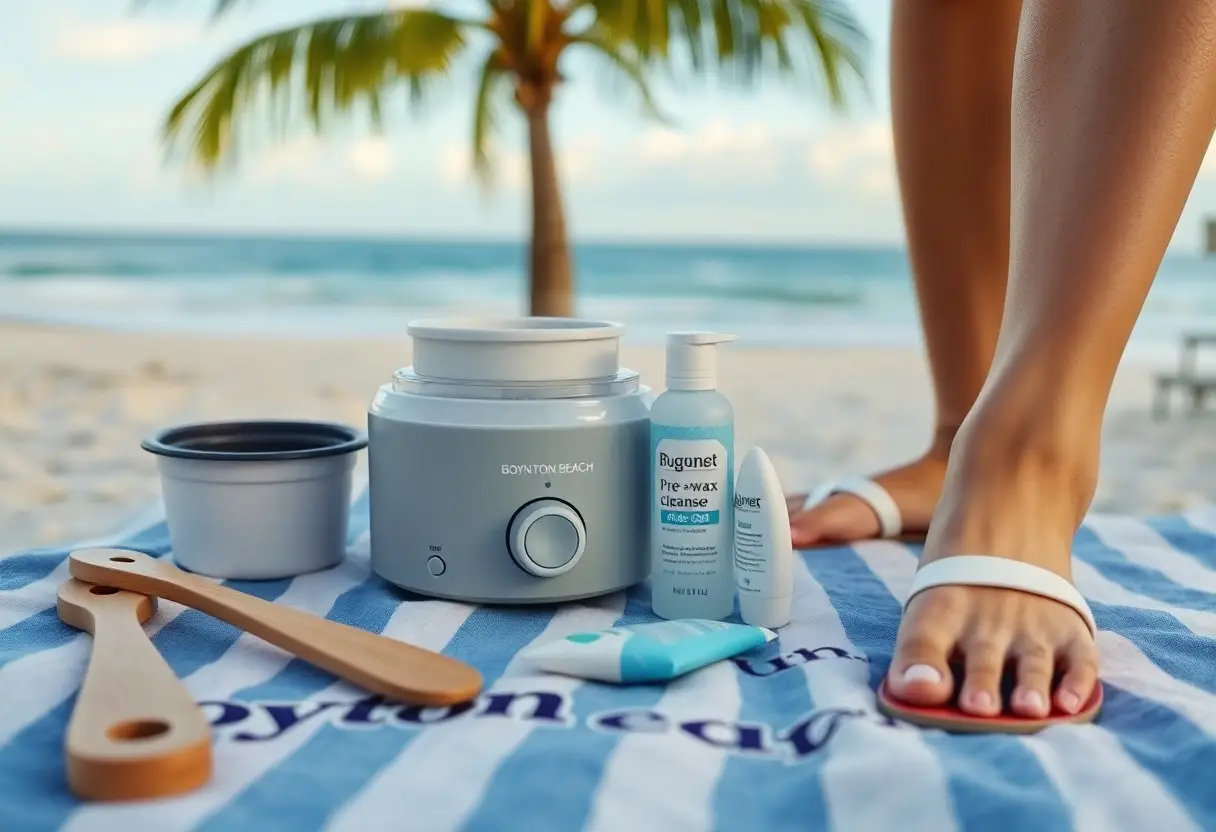
Most Boynton Beach summers mean you should adjust waxing care: choose an experienced technician, avoid sun exposure 24-48 hours after waxing to prevent burns and irritation, and exfoliate gently to reduce ingrown hairs and extend smoothness.
Key Takeaways:
- Exfoliate and trim hair to about 1/4 inch before your appointment; arrive with clean, dry skin and skip oils or heavy lotions.
- Schedule waxing 24-48 hours before beach plans and avoid sun exposure, tanning, or harsh chemical treatments for at least 48 hours afterward.
- Choose a licensed salon with experienced technicians; wear loose clothing after waxing and soothe skin with fragrance-free lotion or aloe once cool.
Preparing Your Skin for the South Florida Heat
You should trim hair to about a quarter-inch, avoid sunbathing before waxing, and skip appointments if your skin is sunburned. Keep skin clean and lightly moisturized in the days prior to reduce breakouts; schedule sessions during cooler hours to minimize heat-related irritation.
Effective Exfoliation Strategies
Exfoliate gently two to three days before waxing using a soft scrub or a mild chemical exfoliant to prevent ingrown hairs. Avoid harsh scrubs or over-exfoliating, which can inflame skin, and stop exfoliation 24 hours before your appointment to reduce sensitivity.
Maintaining Optimal Skin Hydration
Hydrate your skin daily with a lightweight, non-comedogenic moisturizer and drink water to offset heat and sweat. Avoid heavy oils or thick creams just before waxing, as they can prevent wax adhesion and increase the chance of incomplete removal.
Apply moisturizer twice daily, focusing on treated areas, and choose formulas with glycerin or hyaluronic acid to lock in moisture. After waxing, use a cool compress and avoid sun exposure for 24-48 hours to prevent irritation and hyperpigmentation.
Sun Protection for Sensitive Waxed Skin
Skin is extra sensitive after waxing, so you should apply SPF 30+ broad-spectrum sunscreen and wear protective clothing for at least 48 hours to prevent burns and pigmentation.
Safe Sunscreen Application Methods
Apply a mineral sunscreen (zinc oxide/titanium dioxide) with gentle dabs instead of rubbing, avoid sprays and fragranced formulas, and reapply every two hours when outdoors to protect your freshly waxed skin.
Managing UV Sensitivity Post-Treatment
Limit sun exposure for at least 48 hours after waxing, wear wide-brim hats and UPF clothing, seek shade, and if you notice severe redness, blistering, or intense pain, contact a provider immediately.
If your skin feels raw, cool compresses and fragrance-free aloe can soothe irritation while you keep out of direct sun for 48-72 hours to reduce burn and hyperpigmentation. You should use a high-SPF, broad-spectrum mineral sunscreen and reapply every two hours. Avoid tanning beds and heavy exfoliants until the skin fully heals; blistering or spreading redness warrants medical attention to prevent infection or scarring.
Combating Humidity and Perspiration
Hot, humid days raise sweating that can break down wax and irritate follicles; you should cool skin, gently pat dry, and avoid heavy activity for a few hours to minimize irritation and wax failure.
Recommended Post-Wax Clothing Choices
Choose loose, breathable fabrics like cotton or linen after waxing and avoid tight synthetics to reduce friction and excess sweating against sensitive skin.
Preventing Clogged Pores and Irritation
Apply a gentle, non-comedogenic lotion or an alcohol-free antiseptic and skip heavy oils to lower clogged pores and infection risk while your skin heals.
Aftercare means you should cleanse with a mild, fragrance-free wash twice daily, apply a non-comedogenic moisturizer, and avoid pools or hot tubs for 24-48 hours to reduce bacterial exposure. Use gentle exfoliation after 48-72 hours to help prevent ingrown hairs, and see a professional if you notice severe redness, pus, or persistent bumps.
Professional Summer Maintenance Standards
Your summer waxing should follow clinic standards: arrive with clean, exfoliated skin, let the aesthetician assess skin sensitivity, and avoid waxing sunburned areas. You must follow recommended intervals to reduce irritation and the risk of infection.
Advantages of Expert Aesthetician Care
Certified aestheticians tailor treatments to your skin, reducing breaks and uneven pulls, supplying professional-grade products, and spotting contraindications early, which delivers smoother results and longer-lasting regrowth control.
Safe At-Home Maintenance Protocols
Between appointments, you should exfoliate gently, moisturize with non-comedogenic lotion, avoid hot baths and direct sun for 24-48 hours, and skip fragranced products to lower the chance of irritation.
Always perform a patch test with new products, pause waxing if you’re using strong retinoids or isotretinoin and consult your clinician, apply a cold compress for persistent redness, and manage ingrown hairs with salicylic acid or seek professional care to avoid DIY extractions and scarring.
Advanced Aftercare and Smoothing Techniques
Use chilled aloe or a cooling gel immediately to soothe irritation, then apply a lightweight, non-comedogenic moisturizer; after 48 hours gently exfoliate to prevent ingrown hairs and reduce bumps. See How to Prep Your Waxing Clients for Summer: Timing, Tips …
- Cool skin with a clean compress for 5-10 minutes
- Apply fragrance-free, oil-free moisturizer immediately
- Begin gentle exfoliation 48 hours after waxing, 2× weekly
- Avoid hot tubs, saunas, and heavy sweating for 24 hours
Aftercare Quick Reference
| Action | Timing |
|---|---|
| Cool compress or aloe | Immediately |
| Non-comedogenic moisturizer | Immediately and daily |
| Gentle exfoliation (physical/chemical) | 48 hours, 2× weekly |
| Avoid heat/friction | 24-48 hours |
Utilizing Calming Topical Agents
Apply a thin layer of aloe vera or a mild 1% hydrocortisone cream after a patch test; avoid fragranced products and heavy oils that trap bacteria. Choose fragrance-free and non-comedogenic formulas to support healing without clogging follicles.
Long-Term Ingrown Hair Prevention
Adopt twice-weekly gentle exfoliation and periodic chemical exfoliants like salicylic acid, paired with daily moisturizing, to keep follicles clear and reduce ingrown hairs over the long term.
Maintain consistent care by exfoliating gently twice weekly with a soft brush or low-concentration chemical exfoliant (1-2% salicylic or 5-10% glycolic), and apply a hydrating, non-comedogenic moisturizer daily. Rotate physical and chemical methods to avoid irritation and pause exfoliation if sensitivity develops. Use topical retinoids only under guidance because they increase sun sensitivity. Protect treated areas from tight clothing while healing, and if you notice severe pain, pus, spreading redness, or persistent bumps, seek professional evaluation to address infection or cystic ingrowns.
Final Words
Drawing together Boynton Beach summer waxing tips, you should book morning or evening slots, exfoliate gently, keep skin hydrated, avoid sunbathing before and after, and select experienced technicians to minimize irritation and extend smoothness.