
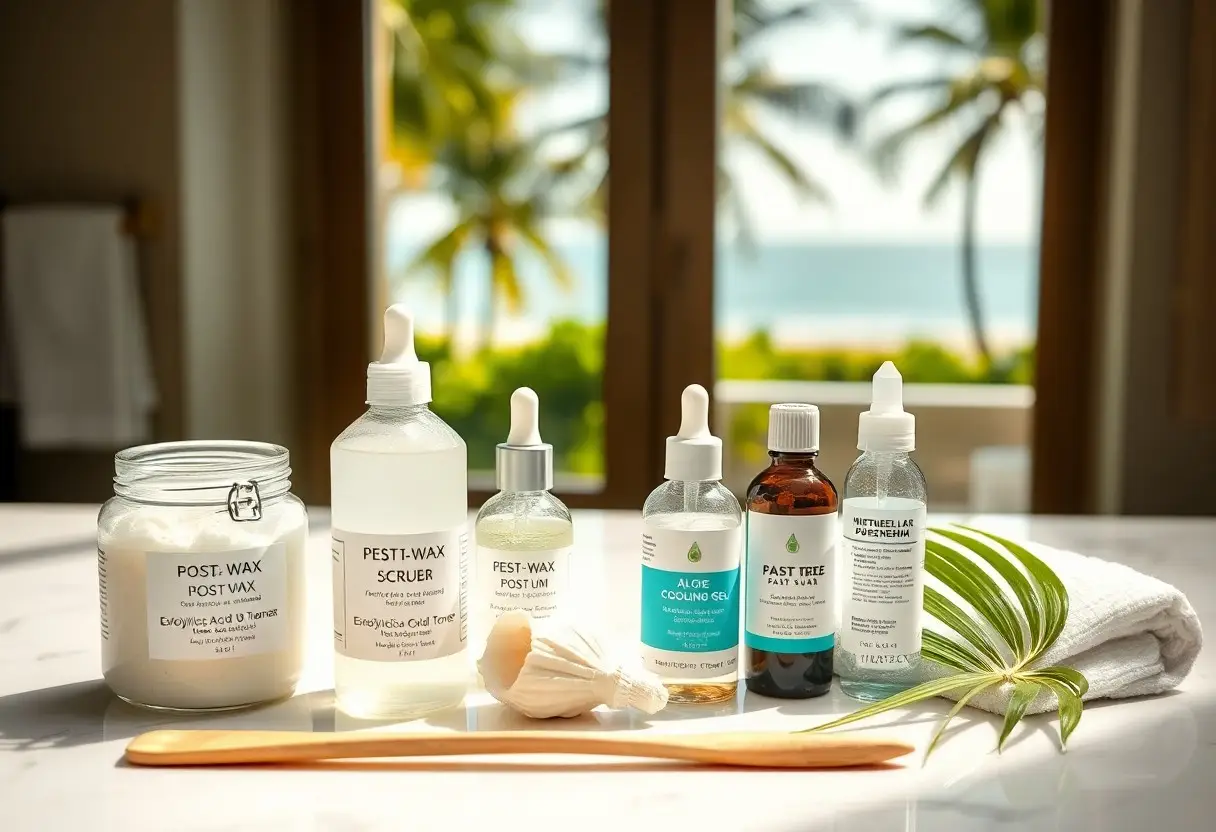
There’s a post-wax routine you can follow in Boynton Beach: gently exfoliate with salicylic or glycolic acid, apply a aloe or chamomile moisturizer, use antibacterial treatments for bumps, and avoid tight clothing to reduce the infection risk.
Key Takeaways:
- Regular chemical exfoliation: use a BHA/AHA product (for example, Paula’s Choice 2% BHA Liquid or Glytone pads) 2-3 times weekly to keep pores clear and reduce ingrown hairs.
- Post-wax soothing and antiseptic care: apply witch hazel, aloe vera gel, or a low-strength tea tree product to calm irritation; use 1% hydrocortisone for short-term redness if needed.
- Targeted ingrown-hair treatments and moisturizers: try Tend Skin or Bump Patrol and non-comedogenic oils (jojoba, squalane) to soften skin and help hairs exit without clogging pores.
Understanding the Causes of Ingrown Hairs After Waxing
After waxing, you may notice ingrown hairs as follicles heal and hair attempts to regrow; you should monitor for inflamed, painful bumps and avoid picking to reduce infection risk.
The Biological Process of Hair Regrowth
Follicles push new hair that can curl back into the skin, causing ingrowns; you should exfoliate gently to guide proper growth and prevent trapped hairs.
How Boynton Beach Humidity Impacts Skin Recovery
Humidity in Boynton Beach increases moisture and sweat, which can clog pores and make you more prone to inflamed ingrowns; you should keep skin clean and dry after waxing.
Because high humidity promotes sweat and bacterial growth, you should use a gentle antibacterial cleanser, a salicylic acid exfoliant to prevent clogged follicles, and an oil-free, non-comedogenic moisturizer with aloe to soothe irritation; wearing breathable fabrics lowers infection risk and speeds recovery.
Chemical Exfoliants for Follicle Clarity
Chemical exfoliants dissolve dead skin and unclog follicles so you see fewer ingrown hairs after waxing. You should apply BHA or AHA products 2-3 times weekly; overuse risks irritation. Pair with a hydrating balm to maintain smooth, resilient skin.
Benefits of Salicylic and Glycolic Acid Serums
Salicylic and glycolic serums exfoliate inside follicles and on the surface, so you get fewer ingrowns. You should choose low concentrations and patch-test; salicylic soothes inflammation while glycolic improves texture and tone.
Incorporating Alpha Hydroxy Acids (AHAs) into Daily Care
Alpha hydroxy acids gently slough surface cells to free trapped hairs and smooth post-wax bumps. You should use body-formulated AHAs and avoid sun exposure by applying broad-spectrum SPF after use.
Use AHA lotions at about 5-10% for body areas, applying every other night until your skin tolerates them, then consider nightly use if calm. You should patch-test, avoid combining multiple strong acids at once, and pair AHAs with a gentle BHA once or twice weekly to clear follicles. Stop if you experience sustained redness or burning and consult a professional, since overuse can cause chemical burns and increased sun sensitivity. Always follow with moisturizer and daily SPF to protect results.
Physical Exfoliation Methods and Tools
Exfoliation with gentle physical tools reduces dead skin and helps prevent ingrown hairs after waxing; you should favor soft, non-abrasive scrubs or mitts and use them 2-3 times weekly to get smoother skin and fewer ingrowns without overdoing it.
Selecting Gentle Buffing Mitts and Brushes
Choose soft, knitted buffing mitts or brushes with rounded bristles so you can exfoliate without ripping hairs; you should avoid stiff brushes that increase risk of irritation and folliculitis.
Proper Technique to Avoid Skin Irritation
Use light, circular motions and always exfoliate on damp skin so you can prevent micro-tears; stop if you feel burning or see broken skin or infection and consult a pro.
Maintain a short, consistent routine: exfoliate 24-48 hours after waxing, use light pressure, limit to twice weekly, and follow with a calming, alcohol-free moisturizer so you reduce inflammation and ingrown hair formation.
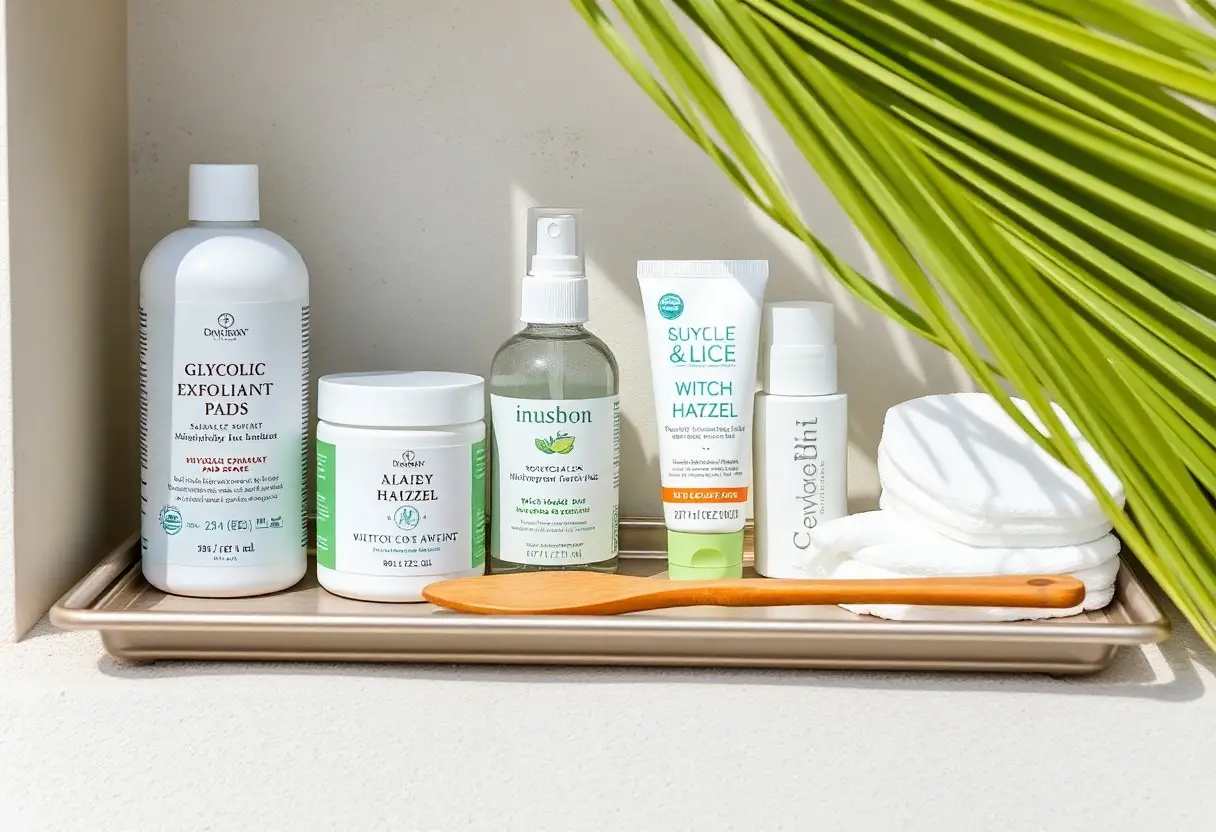
Specialized Post-Waxing Topical Treatments
Specialized post-wax serums with salicylic acid and soothing botanicals help prevent ingrown hairs and calm your skin; apply gently after waxing and avoid sun exposure to reduce irritation.
Anti-Bacterial and Anti-Inflammatory Roll-ons
Try anti-bacterial roll-ons containing 1-2% tea tree or 2.5% benzoyl peroxide to lower infection risk and calm follicles; roll lightly over waxed areas once a day.
Targeted Solutions for Reducing Redness and Swelling
Look for gels with aloe, chamomile, or 1% hydrocortisone for fast relief of redness; use briefly and avoid prolonged steroid use to protect delicate skin.
You can patch-test every new topical by applying a pea-sized amount behind your ear and stop if a rash appears; avoid using anti-inflammatory creams on broken skin. Cold compresses reduce swelling quickly, and gels with centella (cica), niacinamide, or short courses of 1% hydrocortisone calm irritation-seek care for increasing pain, pus, or signs of infection or a severe allergic reaction.
Hydration Strategies for Supple Skin
Hydration keeps waxed skin flexible and helps reduce ingrown hair risk; you should use lightweight, fragrance-free lotions and drink water. Apply moisturizer within minutes of cooling to lock in moisture and avoid thick occlusives if you’re prone to clogged follicles.
Choosing Non-Comedogenic Moisturizers
Choose non-comedogenic, fragrance-free moisturizers so you won’t trap oils or irritants in pores. Look for lightweight formulas with hyaluronic acid or glycerin; avoid heavy oils and shea butter if you’ve had prior ingrowns.
The Role of Soothing Botanical Oils and Aloe Vera
Aloe vera and light botanical oils calm irritation and help reduce follicle inflammation; you should apply thin layers to avoid pore buildup. Use diluted tea tree for its antiseptic benefit, but cease use if you experience stinging.
Blending aloe vera gel with light oils like jojoba or grapeseed delivers anti-inflammatory soothing and helps regulate sebum; you should patch-test mixtures to check sensitivity. Apply only after skin has cooled, massaging gently away from hair follicles, and avoid concentrated crucial oils that can burn or aggravate follicles.
Professional Skincare Guidance in Boynton Beach
Estheticians in Boynton Beach recommend using gentle exfoliants and an antiseptic balm after waxing; check their full protocol in How to Prevent Ingrown Hairs After Waxing. You should favor salicylic acid exfoliants and antibacterial soothing gels to avoid infection and reduce ingrowns.
Sourcing Esthetician-Approved Products Locally
Pharmacies and boutiques in Boynton Beach carry esthetician-approved lines; ask staff so you can find salicylic or glycolic exfoliants, fragrance-free soothing creams, and antiseptic serums recommended by pros.
Maintaining a Consistent Post-Treatment Regimen
Routine aftercare should include gentle exfoliation 48-72 hours post-wax, daily moisturizing with a noncomedogenic lotion, and topical antiseptic when needed so you reduce ingrown risk and soothe skin.
You should exfoliate gently two to three times weekly using a chemical exfoliant containing 1-2% salicylic acid or low-dose glycolic acid, avoid harsh scrubs that can irritate, and apply a lightweight, noncomedogenic moisturizer daily; if you spot increasing redness, warmth, or pus, seek professional care to prevent infection. Stop active acids before a waxing appointment and resume only when skin is calm.
Conclusion
Considering all points, after waxing in Boynton Beach you should use gentle chemical exfoliants (salicylic or glycolic acid), antibacterial cleansers, fragrance-free aloe moisturizers, and non-comedogenic oil-free serums; apply cool compresses and wear loose clothing to reduce irritation and prevent ingrown hairs.