
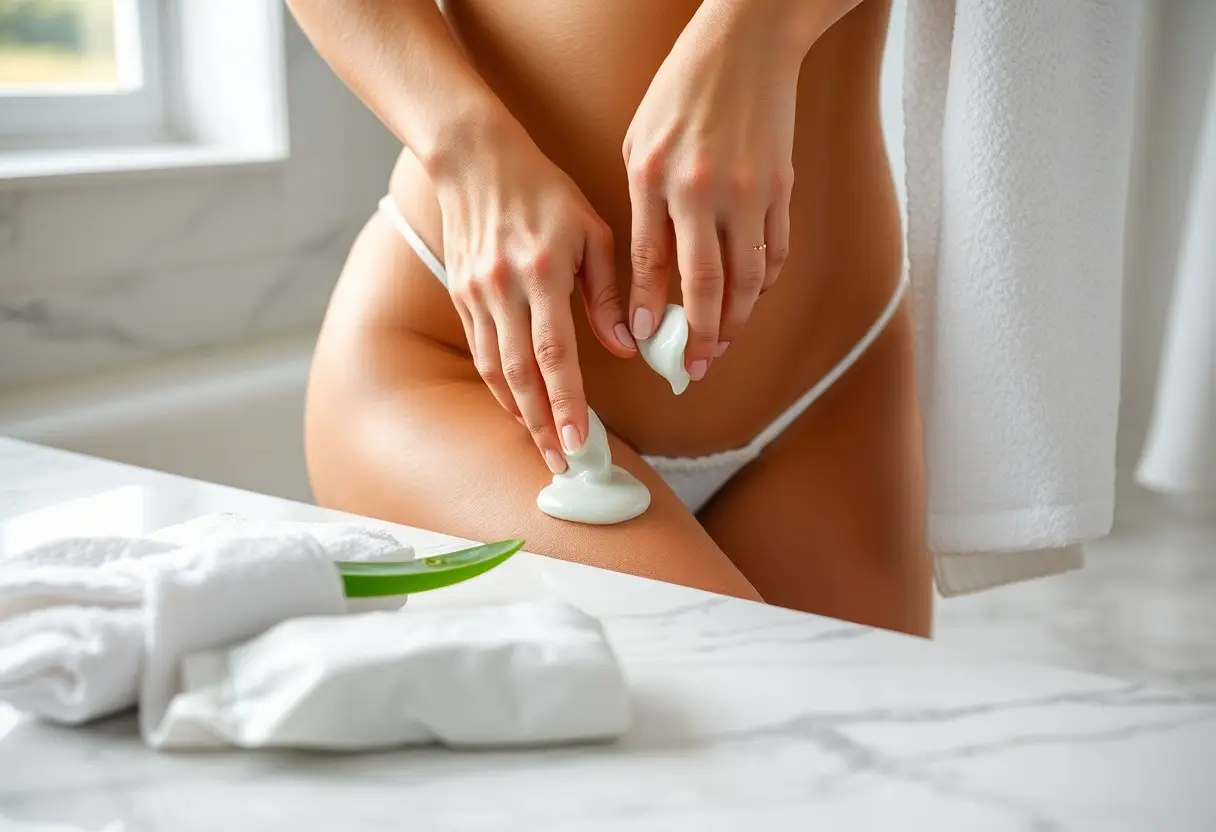
Just because you feel itchy after a bikini wax doesn’t mean something went wrong-this is a common reaction due to hair removal irritating live skin cells. Avoid scratching, as it can lead to infection or scarring. Instead, apply a cool compress and use a fragrance-free moisturizer to soothe the area.
The Immediate Crisis Management
Act fast when stinging or redness hits after your wax. Cool the area immediately to reduce inflammation and prevent further irritation. Avoid touching, scratching, or applying harsh products that could worsen the reaction. Keep the skin clean and dry, and give it space to breathe while you assess next steps.
The Salvation of Cold Compresses
Apply a cold compress to calm heat and swelling right away. This simple step can prevent a minor itch from turning into a full flare-up. Wrap ice in a clean cloth-never press ice directly on skin-and hold it gently over the area for short intervals to avoid tissue damage.
Cotton Underwear as a Religion
Wear loose cotton underwear without fail. Natural fibers reduce friction and allow airflow, lowering the risk of irritation and infection. Synthetic materials trap heat and moisture, creating a breeding ground for discomfort and bacteria-skip them until your skin fully settles.
Choosing cotton isn’t just about comfort-it’s a protective barrier. Tight or synthetic fabrics can abrade freshly waxed skin, leading to micro-tears and bacterial buildup. Cotton minimizes contact irritation and absorbs moisture, helping your skin heal faster and stay balanced. Treat this choice as non-negotiable for at least 24-48 hours post-wax.
The Medicine Cabinet Essentials
Keep your post-wax recovery smooth with a few key items. Hydrocortisone cream, aloe vera gel, and fragrance-free moisturizers should be within reach. These help calm irritation quickly and protect sensitive skin. Never underestimate the power of having the right products on hand when redness or discomfort strikes.
Hydrocortisone and Other Miracles
Apply a thin layer of over-the-counter hydrocortisone cream if itching turns intense. It reduces inflammation and blocks histamine reactions, giving fast relief. Avoid using it for more than three days unless directed by a doctor. Overuse can thin the skin or worsen irritation.
The Truth About Aloe
Reach for pure aloe vera gel to cool inflamed skin. Its natural anti-inflammatory properties help reduce redness and prevent infection. Avoid products with alcohol or added fragrances-these can worsen sensitivity. Stick to 100% pure, refrigerated aloe for best results.
While aloe is widely praised, not all products deliver the same benefits. Many store-bought gels contain fillers and alcohol that can trigger more irritation instead of healing it. For real results, choose a medical-grade aloe vera with minimal ingredients. Applying it cold enhances its soothing effect, especially in the first 24 hours after waxing.
The Discipline of Not Scratching
Resisting the urge to scratch takes self-control, but it’s imperative for healing. Scratching can rupture delicate skin and introduce bacteria, increasing the risk of infection. Keep your hands away to prevent irritation from worsening and allow your skin to recover naturally.
Keeping Your Hands Occupied
Find simple distractions when the itch flares. Squeeze a stress ball, doodle in a notebook, or scroll mindfully through your phone. Occupying your hands reduces the chance of accidentally aggravating the area, helping you stay on track with aftercare.
Avoiding the Seduction of Hot Baths
Hot water may feel soothing, but it worsens inflammation. Exposure to high temperatures can trigger swelling and reopen pores, inviting bacteria. Stick to lukewarm showers instead to protect your sensitive skin.
Spending even a few minutes in a hot bath can undo the care you’ve taken post-wax. The heat increases blood flow, which might sound helpful but actually intensifies redness and discomfort. Steam and lingering moisture also create an ideal environment for breakouts. For at least 24-48 hours, skip the soak and opt for quick, cool rinses to keep irritation at bay.
The Art of Gentle Exfoliation
Exfoliating after a bikini wax helps prevent ingrown hairs and soothes irritated skin. Use a soft washcloth or a gentle scrub in circular motions, but never overdo it. Wait at least 48 hours post-wax to avoid aggravating sensitive areas. Keep pressure light and frequency low-twice a week is enough for most skin types.
Timing the First Scrub
Start your first scrub two days after waxing. Going too soon can cause redness, stinging, or even infection. Your skin needs time to calm down and begin healing. Once the initial sensitivity fades, gentle exfoliation supports smoother, healthier results over time.
Salicylic Acid for Beginners
Salicylic acid clears pores and reduces inflammation, making it ideal for post-wax care. Begin with a low concentration formula-2% or less-applied every other day. Overuse may dry or irritate the skin, so listen to how your body responds before increasing frequency.
Salicylic acid is a beta hydroxy acid that penetrates oil-filled pores, helping to shed dead skin cells from within. Because it works beneath the surface, it’s especially effective at preventing ingrown hairs after waxing. Stick to products labeled for sensitive areas and avoid combining with harsh scrubs or alcohol-based toners, which can compromise your skin’s barrier. Consistent, light use yields better results than aggressive treatment.
Recognizing a True Emergency
If you develop swelling, fever, or pus-filled blisters after a bikini wax, seek medical help immediately. These signs suggest a serious infection rather than typical irritation. Severe pain that worsens instead of improves is another red flag. Your health is at risk-don’t wait for symptoms to escalate.
When Bumps Turn Treacherous
Bumps after waxing are common, but if they grow larger, feel hot, or begin oozing, infection may be setting in. Unlike mild folliculitis, these symptoms signal something more dangerous. Watch closely-your skin’s reaction can shift from normal to concerning fast.
Consulting the Medical Authorities
A dermatologist or healthcare provider can confirm whether your reaction requires antibiotics or topical treatment. Professional diagnosis prevents complications and ensures proper care. Don’t rely on guesswork when your skin shows signs of distress-expert evaluation brings clarity and faster healing.
Seeing a licensed medical provider means you get accurate treatment tailored to your condition. They may take a swab to identify bacterial or fungal causes, ensuring you don’t misuse over-the-counter creams. Timely intervention stops minor issues from becoming severe, and protects your skin’s long-term health. Trust trained professionals when symptoms go beyond mild discomfort.
Strategies for Next Time
You can reduce post-wax irritation by planning ahead. Choosing a licensed technician and discussing your skin sensitivity beforehand sets the foundation for a safer experience. Always wait until hair is at least a quarter-inch long and avoid sun exposure 24 hours before and after. These small steps make a noticeable difference in comfort and results.
The Importance of a Clean Salon
A hygienic environment protects your skin from infection. Ensure the salon uses disposable gloves, sterilized tools, and fresh wax for each client. If surfaces look unclean or tools appear reused, speak up or leave. Your safety depends on strict sanitation practices-never compromise on this.
Pre-Waxing Maintenance Rituals
Exfoliate your skin two days before your appointment to prevent ingrown hairs. Regular exfoliation removes dead skin cells that can trap hair beneath the surface. Avoid moisturizers, oils, or lotions on the day of waxing-clean, dry skin ensures better wax adherence and a smoother result.
Building a consistent pre-wax routine strengthens your skin‘s resilience over time. Gently scrubbing with a natural bristle brush or chemical exfoliant containing salicylic or glycolic acid keeps follicles clear. Start this regimen at least three days before waxing and repeat every other day. Over time, you’ll notice fewer bumps, less redness, and longer-lasting smoothness after each session.
Conclusion
Drawing together the right steps ensures comfort after a bikini wax. You should keep the area clean, avoid heat and friction, and use soothing products like aloe vera. If redness or irritation persists beyond a few days, consult a skincare professional. Your skin’s reaction is personal, and responding early helps prevent complications.
FAQ
Q: Why do I feel itchy after a bikini wax?
A: Itching after a bikini wax is common and usually happens because the hair is being pulled out from the root, which irritates the hair follicles. The skin in the bikini area is also very sensitive, so any removal method that involves tugging on hair can cause temporary inflammation. This sensation often starts a few hours after waxing and may last one to two days. Follicular swelling or minor redness can contribute to the itchy feeling, but it typically resolves on its own without treatment.
Q: How can I stop the itching after a bikini wax?
A: To reduce itching, apply a cold compress or ice pack wrapped in a clean cloth to the area for 5-10 minutes to calm inflammation. Use a soothing, fragrance-free moisturizer or aloe vera gel to hydrate the skin without clogging pores. Avoid scratching, as this can introduce bacteria and lead to ingrown hairs or infection. Wearing loose-fitting cotton underwear and avoiding tight clothing for 24-48 hours helps minimize friction and allows the skin to recover. Staying out of hot tubs, saunas, and swimming pools during this time also prevents further irritation.
Q: When should I be concerned about itching after waxing?
A: You should seek medical advice if the itching worsens after two days or is accompanied by intense redness, pus, swelling, or a rash that spreads. These symptoms could indicate an infection or an allergic reaction to the wax or aftercare products. If you develop small bumps that look like pimples, it might be folliculitis, which sometimes requires treatment with topical antiseptics or antibiotics. Persistent itching that turns into thickened or darkened skin could signal post-inflammatory hyperpigmentation or chronic irritation, especially in people with darker skin tones. In such cases, consulting a dermatologist is the best step.