
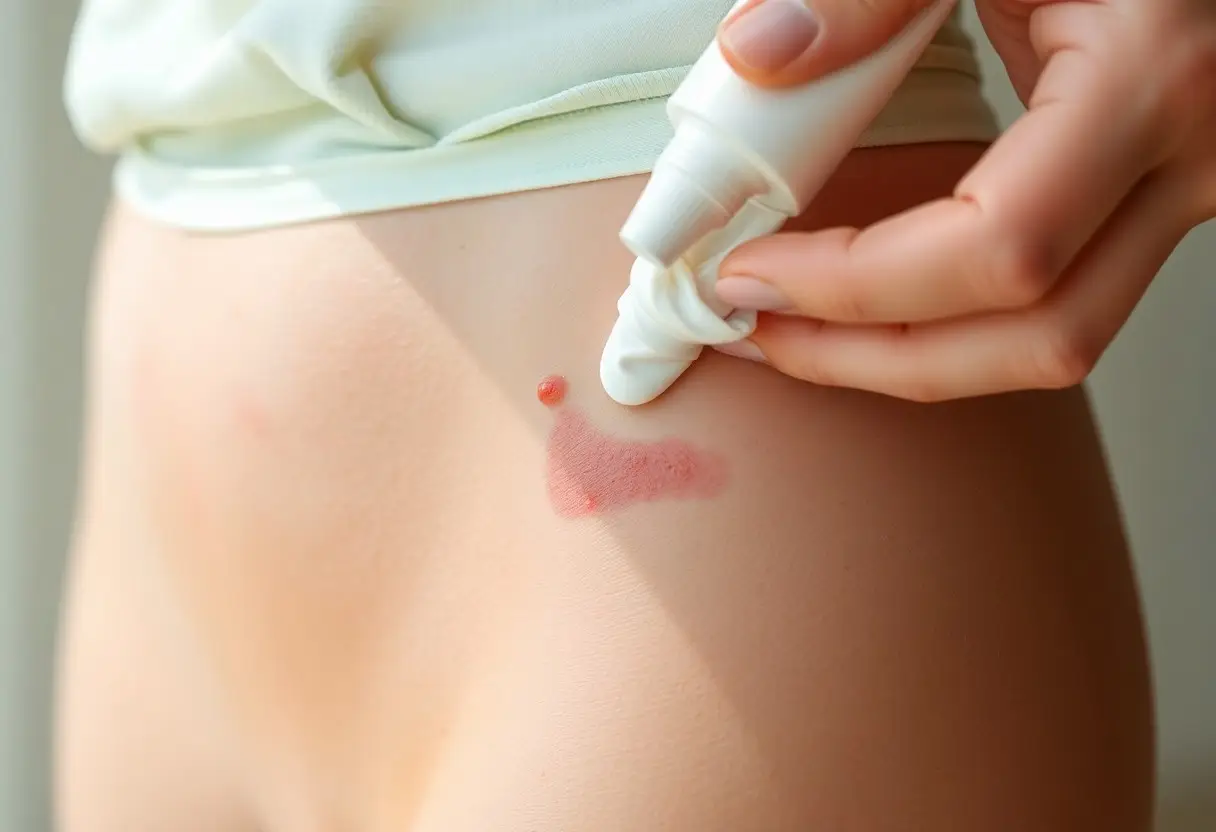
Many people overlook the bikini area until irritation or discomfort appears. If you experience persistent redness, bumps, or itching after shaving or waxing, your skin may need targeted care. Ingrown hairs and razor burn are common signs of distress. Darkening or rough texture could indicate chronic irritation. Treating this delicate zone with gentle, pH-balanced products can prevent long-term damage and keep your skin healthy.
Recognizing Physical Warning Signs
Your body often signals when something’s off. Persistent discomfort, visible irritation, or recurring issues in the bikini area shouldn’t be ignored. These signs may point to underlying skin stress or improper care routines. Paying attention now can prevent more serious complications later.
Identifying persistent redness and inflammation
Redness that lingers beyond a day or two after hair removal could indicate inflammation. Chronic redness may lead to hyperpigmentation or infection if untreated. You might also feel warmth or tenderness. These are clear cues your skin needs a gentler approach and targeted care.
Detecting the frequency of ingrown hairs
Occasional ingrown hairs are common, but frequent occurrences suggest a problem. Seeing them every few weeks, especially with dark spots or pustules, means your skin is struggling. This pattern often stems from improper exfoliation or tight clothing.
Ingrown hairs happen when hair curls back into the skin instead of growing outward. If you’re experiencing them regularly, it’s not just a minor annoyance-this can lead to scarring or bacterial infection. Examine your shaving or waxing habits, and consider incorporating a mild chemical exfoliant to help prevent buildup and encourage proper hair growth.
Assessing Your Current Grooming Routine
Every choice you make in your grooming routine affects the health of your bikini area. If you’re experiencing frequent irritation, ingrown hairs, or dryness, your current methods may be doing more harm than good. Pay attention to how your skin reacts immediately after hair removal and throughout the day. These signals help determine whether your routine supports skin wellness or requires adjustment.
How to evaluate the quality of your shaving tools
Your razor’s condition directly influences skin safety. A dull or rusty blade increases the risk of microtears and infection, while poorly designed handles reduce control. Check for sharp, clean blades and replace them regularly. Using a high-quality, hygienic tool minimizes irritation and supports a smoother, safer shave every time.
Determining the impact of chemical hair removers
Chemical depilatories dissolve hair at the surface, but they can compromise your skin barrier. If you notice redness, burning, or swelling after use, the formula may be too harsh. These products often contain strong alkaline agents that disrupt pH balance, especially in sensitive zones like the bikini area.
Chemical hair removers work by breaking down keratin, the protein in hair, but this process doesn’t discriminate between hair and delicate skin cells. Prolonged or frequent use can lead to chronic sensitivity or allergic reactions. If you rely on these products, limit frequency and always patch-test new brands. Opt for formulas with soothing ingredients like aloe or chamomile to reduce adverse effects.
Environmental and Lifestyle Factors
Your bikini area reacts to daily habits and surroundings in ways you might overlook.
- Friction from tight clothing can weaken skin integrity
- Exposure to chlorine or saltwater strips natural moisture
- Regular shaving increases sensitivity and irritation
- Prolonged moisture buildup promotes bacterial growth
Perceiving these influences helps you adjust care before problems arise.
Analyzing the role of friction and tight clothing
Tight underwear or workout leggings create constant rubbing against delicate skin. This repeated friction can lead to darkening, redness, and even micro-tears over time. Choosing breathable, soft fabrics reduces irritation. You’ll notice fewer bumps and discomfort when you minimize constriction. Protecting this area from unnecessary pressure maintains its health and appearance.
Understanding the effects of moisture and sweat
Moisture trapped in the bikini area after workouts or on hot days creates a breeding ground for bacteria and yeast. Sweat mixes with bacteria on the skin, potentially causing itching, odor, or infections. Wearing damp clothes for too long worsens the risk. Letting the skin breathe and drying thoroughly prevents most issues. Perceiving early signs like persistent dampness can stop bigger problems.
When sweat lingers in the bikini zone, it disrupts the skin’s natural pH balance, weakening its protective barrier. This imbalance makes you more prone to fungal infections like candidiasis or bacterial overgrowth, especially if you’re prone to recurrent irritation. Synthetic fabrics that don’t wick moisture increase the problem. Changing out of wet clothing quickly and using gentle, pH-balanced cleansers supports long-term skin resilience and comfort.
How to Implement a Targeted Care Regimen
Consistency builds results when caring for your bikini area. Establish a routine using gentle exfoliation, pH-balanced products, and daily moisturizing to support skin health. Assume that
Tips for safe and effective exfoliation
- Use a chemical exfoliant with lactic or glycolic acid instead of harsh scrubs
- Exfoliate only 1-2 times weekly to prevent irritation
- Always follow with a soothing moisturizer
Over-exfoliating damages your skin barrier. Stick to mild formulas and minimal frequency. Assume that
Choosing pH-balanced cleansers and moisturizers
Your bikini skin thrives when its natural acidity stays intact. Products with a pH between 4.5 and 5.5 help prevent dryness, infection, and inflammation. Avoid fragranced or alkaline washes that disrupt balance. Assume that
Daily exposure to sweat, friction, and shaving alters your bikini area’s delicate ecosystem. Using a cleanser that matches your skin’s natural acidity maintains its protective barrier. pH-balanced formulas reduce the risk of bacterial overgrowth and ingrown hairs, especially after hair removal. Assume that
Monitoring Changes in Skin Texture and Tone
Changes in your bikini area’s texture or tone may signal the need for targeted care. If you notice rough patches, dark spots, or uneven skin tone, these could stem from irritation, shaving, or hormonal shifts. Thou should pay attention to persistent discoloration or bumps, as they may indicate underlying concerns requiring gentle exfoliation or professional advice.
Factors contributing to hyperpigmentation
- Friction from tight clothing can trigger darkening
- Shaving or waxing may cause inflammation and pigment changes
- Hormonal fluctuations, especially during pregnancy or while on birth control
- Post-inflammatory responses after ingrown hairs or breakouts
Thou might not realize how daily habits contribute to discoloration, but consistent friction and irritation often lead to long-term hyperpigmentation.
Identifying signs of chronic dehydration
Dryness, flakiness, or a tight feeling after cleansing can point to chronic dehydration in your bikini area. Unlike dry skin, this condition affects skin elasticity and barrier function. Thou may notice dullness or increased sensitivity even without visible peeling.
Chronic dehydration weakens the skin’s protective barrier, making it more prone to irritation and discoloration over time. Without proper hydration, cell turnover slows, leading to rough texture and uneven tone. Using a gentle, pH-balanced moisturizer daily helps restore balance and prevent long-term damage.
Professional Guidance and Long-Term Health
Seeing a dermatologist can prevent chronic irritation and detect early signs of skin conditions. You’re not alone if discomfort persists despite proper care. A specialist evaluates symptoms like persistent redness, itching, or changes in texture. Perceiving
When to seek advice from a dermatologist
Notice unusual bumps, prolonged discoloration, or recurring rashes in your bikini area? These may signal ingrown hairs, folliculitis, or even hormonal skin disorders. Delaying care could worsen inflammation. Perceiving
- Seek help if itching interferes with daily life
- Watch for pus-filled lesions or spreading redness
- Consult when over-the-counter products fail after two weeks
- Ask about hormonal acne or lichen sclerosus
Tips for maintaining a healthy skin barrier
Consistent care strengthens your skin‘s natural defense. Use fragrance-free cleansers and avoid harsh exfoliants. Moisturize with ingredients like ceramides or panthenol. Wear breathable fabrics and change out of wet clothing quickly. Perceiving
- Apply soothing lotions with aloe or oat extract
- Shave with a clean, sharp blade and in the direction of hair growth
- Limit use of antibacterial soaps that disrupt pH balance
- Stay hydrated and support skin from within
Protecting your skin barrier reduces the risk of infection and sensitivity. Over time, gentle habits prevent microtears and maintain smooth texture. Choose products that reinforce, not strip, your skin’s natural protection. Perceiving long-term comfort begins with daily respect for your skin’s needs.
Conclusion
Conclusively, your bikini area shows the need for extra care when you notice dryness, irritation, or ingrown hairs. You respond best by using gentle exfoliation, hydrating products, and sun protection. You maintain skin health by paying attention to changes and adjusting your routine accordingly.
FAQ
Q: How can I tell if my bikini area skin is reacting to shaving or waxing?
A: Red bumps, itching, or small inflamed spots after hair removal are common signs your bikini area is irritated. Razor burn often appears as redness or clusters of tiny pimples, while ingrown hairs may look like dark dots under the skin or raised bumps with a visible hair trapped beneath the surface. If your skin feels tender or looks discolored for more than a few days, it may need a gentler routine. Switching to a clean, sharp razor, using a fragrance-free shaving cream, and exfoliating 2-3 times a week can help reduce irritation and prevent future flare-ups.
Q: What are the signs that my bikini area might be dry or dehydrated?
A: Flaky, tight, or rough skin along the bikini line can signal dryness. You might notice the skin feels itchy or looks dull, especially after showering or wearing tight clothing. Unlike oily areas, the bikini region doesn’t produce as much natural oil, making it prone to moisture loss. Using a lightweight, non-comedogenic moisturizer daily-especially one with ingredients like ceramides or hyaluronic acid-can restore hydration without clogging pores. Avoid heavily scented lotions, as they can worsen sensitivity.
Q: When should I be concerned about dark spots or discoloration in the bikini area?
A: Dark patches or uneven skin tone in the bikini area often result from repeated friction, shaving, or post-inflammatory hyperpigmentation after irritation. If the discoloration persists or spreads, it could indicate a need for targeted care. Ingredients like niacinamide, licorice root extract, or alpha arbutin can help fade dark spots over time. Always patch-test new products and wear sunscreen on exposed areas to prevent further pigmentation. If changes are sudden or accompanied by itching, pain, or texture changes, consult a dermatologist to rule out underlying conditions.