
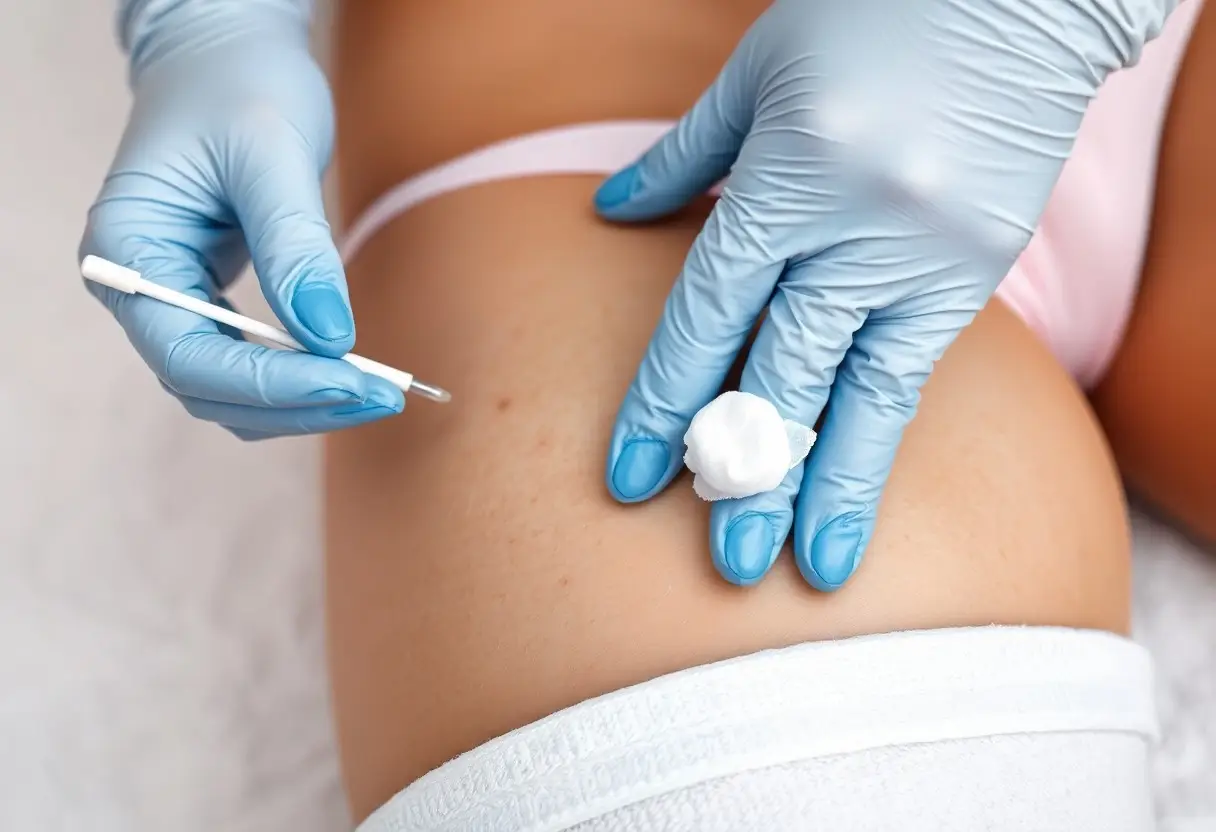
Many people notice dark spots after waxing intimate areas, and inflammation from hair removal can trigger melanin overproduction. You may be more prone to discoloration if you have sensitive or darker skin. Improper technique or aggressive waxing increases the risk, but consistent aftercare can reduce and prevent darkening.
Key Takeaways:
- Waxing can lead to dark spots in intimate areas, primarily due to post-inflammatory hyperpigmentation, which occurs when the skin produces extra melanin after irritation or injury from hair removal.
- People with darker skin tones are more prone to developing these dark spots because their melanocytes are more reactive to inflammation and trauma.
- Proper aftercare-such as avoiding tight clothing, using gentle, fragrance-free products, and applying sunscreen when exposed-can reduce the risk of discoloration after waxing.
The Price of the Pull
You feel a momentary sting with each wax strip, but that discomfort might come with a hidden cost. Repeated pulling can irritate sensitive skin, triggering post-inflammatory hyperpigmentation, especially in intimate zones where skin is thinner. Your natural response to trauma-darkening-becomes visible over time. This reaction is more common in deeper skin tones, making gentle aftercare vital to prevent lasting marks.
The Melanin Defense
Your skin responds to waxing stress by activating melanocytes, the cells that produce pigment. This natural reaction can lead to dark spots when irritation triggers excess melanin. Hormonal sensitivity in intimate zones makes them especially prone to this change. You’re not imagining it-repeated trauma from hair removal can leave behind lasting discoloration. Protecting your skin’s barrier reduces this risk significantly.
The Trouble with Ingrowns
You’ve likely felt the small bumps after waxing-some red, tender, and occasionally painful. These are ingrown hairs, and they’re one of the leading causes of dark spots in intimate areas. When hair curls back into the skin instead of growing outward, it triggers inflammation. Over time, this can stimulate excess melanin, leading to noticeable discoloration. Left untreated, ingrowns may worsen pigmentation and increase infection risk.
Preparation of the Surface
You must cleanse the skin thoroughly before waxing to reduce the risk of irritation and dark spots. Dirty or oily skin increases the chance of trauma, which can trigger hyperpigmentation, especially in sensitive areas. Exfoliate gently 24 hours prior to remove dead cells and allow smoother hair removal. Never apply lotion or oil right before waxing-this weakens adhesion and may cause tugging, raising the likelihood of inflammation and discoloration.
The Work of Healing
Understanding Skin Recovery
Your skin begins repairing itself immediately after waxing, but inflammation can trigger melanin overproduction, especially in delicate areas. This response is more pronounced if you have a darker complexion or a history of post-inflammatory hyperpigmentation. Avoid touching or scratching the area, as friction worsens discoloration. Let your body’s natural healing process take place without interference.
Choosing a Different Path
You can protect your skin by switching to gentler hair removal methods. Laser treatments and trimming reduce irritation that leads to dark spots. Unlike waxing, these options don’t pull at delicate skin. Consistent care and avoiding friction help prevent discoloration. Your body responds well when treated with patience and precision.
Summing up
Considering all points, waxing can cause dark spots in intimate areas, especially if you have sensitive or reactive skin. Repeated trauma from hair removal, improper aftercare, or inflammation can trigger melanin overproduction. You reduce the risk by exfoliating gently, avoiding sun exposure, and using soothing, fragrance-free products after treatment.