
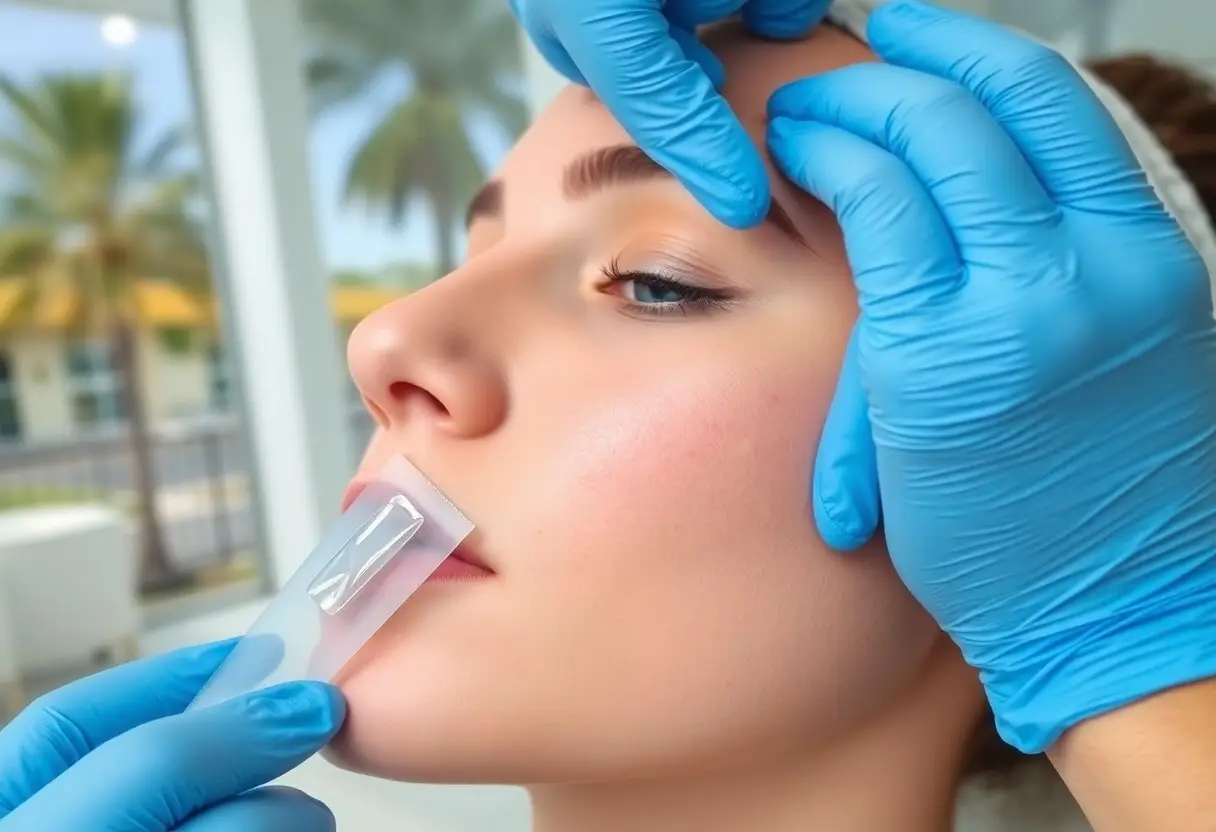
You can safely wax acne-prone skin in Boynton Beach when a licensed esthetician avoids active pimples; waxing over inflamed lesions increases infection and scarring risk, while professional technique and aftercare lower irritation.
Key Takeaways:
- Waxing can irritate acne-prone skin and may worsen inflamed or open lesions; avoid waxing active cystic or pustular acne until breakouts improve.
- Choose a licensed, experienced esthetician in Boynton Beach who performs a patch test, uses clean disposable supplies, and avoids waxing directly over lesions to lower infection and scarring risk.
- Follow post-wax care: apply gentle non-comedogenic soothing products, avoid hot tubs, heavy sweating, sun exposure, and exfoliation for 24-48 hours; consult a dermatologist if acne is severe or if taking isotretinoin.
Understanding the Relationship Between Waxing and Acne
Waxing removes hair and dead skin, but if you have acne-prone skin it can cause irritation and micro‑tears that increase breakouts when done improperly; proper technique and aftercare reduce that risk.
The Impact of Mechanical Exfoliation on Sensitive Pores
Mechanical exfoliation during waxing strips protective oils and can expose sensitive pores, so you may notice redness or swelling and an increased infection risk if bacteria enter; follow gentle cleansing.
Identifying Potential Triggers for Post-Wax Breakouts
Common triggers include dirty wax tools, aggressive techniques, using retinoids before waxing, or touching freshly waxed skin-any can cause inflammation and flare-ups if not addressed.
Avoid waxing when you have active cystic lesions, recent chemical peels, or when using topical acne meds; heat, sweat, tight clothing, and heavy oils applied post-wax can trap bacteria and trigger severe breakouts. Tell your technician about medications and skin history to minimize risk.
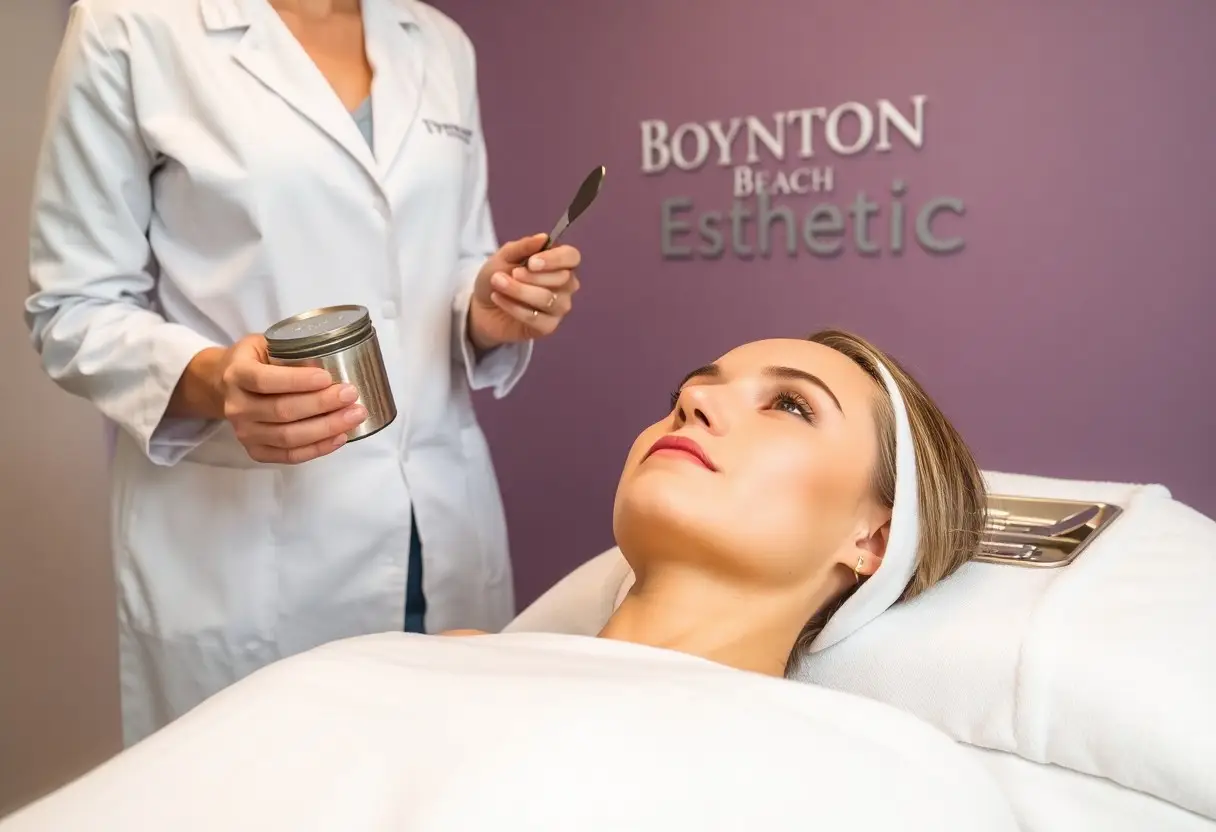
Selecting a Professional Esthetician in Boynton Beach
You should choose an esthetician who recognizes active breakouts as a contraindication and can explain risks like scarring; ask for portfolios and client reviews and check this note on contraindications: Waxing Contraindications You Should Know …
Verifying Sanitation Standards and Licensing
Inspect the treatment area and request to see the esthetician’s licensing and sanitation records; require single-use supplies or properly sterilized tools to minimize infection risk and protect your skin.
The Importance of a Pre-Service Skin Analysis
Confirm the esthetician conducts a pre-service skin analysis to detect active acne, recent topical medications, or sensitive zones so they can adjust technique and timing to avoid complications.
Ask about your medication history and recent treatments-especially Accutane or chemical peels-and insist on a patch test; this lets the esthetician choose the right wax and post-care to reduce irritation and scarring risk.
Choosing the Right Wax for Acne-Prone Skin
Your acne-prone skin benefits from waxes labeled as hypoallergenic and formulated for sensitive skin; pick products with minimal additives and a short ingredient list. Seek estheticians who use non-comedogenic, fragrance-free waxes to reduce flare-ups.
Hard Wax vs. Soft Wax: Which is Safer?
Hard wax adheres to hairs rather than skin, so you often get less tugging and fewer breakouts; you may find hard wax safer for active acne, while soft wax can increase irritation and follicle trauma.
Ingredients to Avoid in Professional Wax Formulas
Avoid waxes that list fragrance, parabens, mineral oil, or heavy petrochemicals-these ingredients can clog pores, irritate blemishes, and worsen inflammation on acne-prone skin.
Check ingredient lists for SD alcohol, synthetic fragrances, and strong solvents, which can strip oils and provoke inflammation; choose formulas with gentle botanicals like aloe or chamomile and non-comedogenic bases.
Pre-Treatment Protocols for Clear Results
Prepare by listing topical and systemic acne treatments, recent flare-ups, and any active cysts so your esthetician can assess risk. You should postpone waxing over open or nodular acne to reduce infection and scarring.
Managing Topical Acne Medications and Retinoids
Pause retinoids and strong exfoliants for about 3-7 days before waxing, since they heighten sensitivity and tearing. Tell your technician about benzoyl peroxide, topical antibiotics, or isotretinoin history; isotretinoin may make waxing unsafe.
Cleansing Guidelines to Prevent Bacterial Infection
Cleanse gently with lukewarm water and a mild, non-comedogenic antibacterial cleanser before your session; avoid alcohol or abrasive scrubs that strip the barrier and increase infection risk.
Rinse thoroughly and pat dry-do not rub-to keep follicles clear; skip heavy creams, makeup, or oils that trap bacteria. If you have active pustules or spreading redness, reschedule and consult your provider to prevent post-wax infections and scarring.
Essential Post-Wax Aftercare Strategies
Aftercare should focus on gentle cooling, avoiding sun and heavy products, and not touching treated areas; you should use a cool compress and a light non-comedogenic moisturizer to soothe skin and lower infection risk.
Soothing Inflammation and Reducing Redness
Apply a cool compress for 10-15 minutes, then use aloe or chamomile gel; you should avoid harsh exfoliation and scrubbing to prevent further irritation and possible scarring.
Utilizing Non-Comedogenic Hydration
Choose lightweight, oil-free moisturizers with hyaluronic acid or glycerin; you should pat them on gently within minutes after waxing to lock moisture, and avoid occlusive oils that can increase breakout risk.
Opt for formulas containing hyaluronic acid, glycerin, and ceramides; you should avoid coconut oil, mineral oil, and heavy butters, patch-test a small area, and apply to slightly damp skin for better absorption; selecting fragrance-free options reduces breakout risk and helps prevent post-wax infection.
Contraindications and Safety Warnings
Be cautious: you should avoid waxing with active cystic acne, open lesions, infections, severe sunburn, or within six months of isotretinoin therapy, since these raise the risk of scarring, infection, and pigment changes.
Risks Associated with Active Cystic Acne
Active cystic acne increases the chance your lesions will rupture, spread bacteria, and form permanent scars if you wax; you should skip waxing until nodules settle and receive clearance from your provider.
Impact of Prescription Oral Acne Treatments
Oral isotretinoin makes your skin fragile and more prone to scarring, so you should avoid waxing for at least six months after finishing treatment and always disclose medications to your technician.
If you are on or recently completed isotretinoin, obtain written clearance from your dermatologist and wait at least six months; other oral medications usually pose lower waxing risks, but full disclosure helps prevent complications.
Final Words
Presently you can safely have waxing in Boynton Beach if you consult a dermatologist, avoid waxing active cystic lesions, select experienced technicians, and follow clear pre- and post-care to minimize irritation and infection risk.