
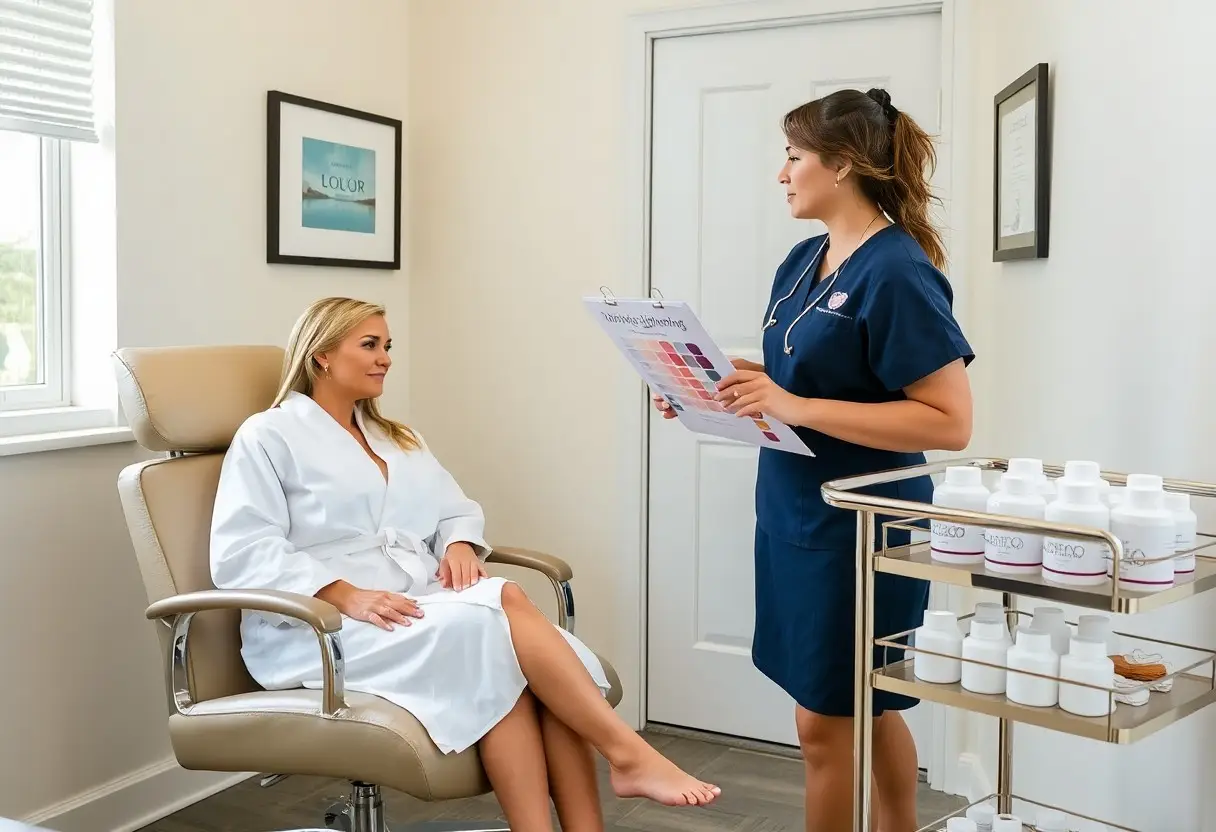
Over time, skin in intimate areas can darken due to friction, hormones, or shaving. Always communicate openly with your wax specialist about lightening goals. Avoid unlicensed treatments that risk burns or scarring. Ask about safe, proven products they use. Clear dialogue ensures effective, healthy results.
Understanding the Basics of Intimate Lightening
Intimate lightening targets subtle pigmentation changes in delicate areas, offering a more even skin tone. You might notice darkening due to hormones, friction, or waxing itself. This process isn’t about altering your natural skin entirely-it’s about gentle, safe brightening that respects your body’s biology and enhances confidence.
Defining the professional brightening process
Brightening involves specialized, pH-balanced treatments designed for sensitive zones. Your specialist uses medical-grade ingredients like kojic acid or licorice root extract to inhibit melanin production without irritation. Unlike harsh bleaching, this method ensures even results and protects your skin’s integrity through controlled, professional application.
Why your wax specialist is the ideal consultant
You trust them with your most sensitive skin, so their expertise goes beyond hair removal. They recognize how waxing patterns affect pigmentation and can spot early signs of irritation. Their hands-on experience makes them uniquely qualified to guide your lightening journey with precision and care.
Wax specialists see subtle skin changes over time and understand how aftercare, hormones, and routine impact tone. Because they work in this area regularly, they know which products to recommend and when to advise against treatment-like during hormonal shifts or active inflammation. Their guidance helps you avoid dangerous DIY methods and achieve results that are both effective and safe.
Critical Factors to Evaluate Before Your Appointment
Understanding your skin type, medical history, and current skincare routine is necessary.
- History of hyperpigmentation or scarring
- Current use of retinoids or acids
- Presence of active infections or inflammation
- Allergies to skincare ingredients
- Recent sun exposure or tanning
Thou must disclose all details to ensure a safe, effective treatment.
Assessing skin sensitivity and potential contraindications
Some ingredients in lightening treatments can trigger irritation or worsen conditions like eczema or psoriasis. If you’ve had adverse reactions to skincare before, mention them. Waxing prior to treatment may also increase sensitivity. Thou must be transparent about any discomfort you’ve experienced in the past.
Establishing realistic expectations for your skin tone
Lightening doesn’t mean achieving a completely different shade. The goal is a more even tone and reduced discoloration. Genetics and melanin production limit how much change is possible. Thou should expect improvement, not transformation.
Results vary based on your natural pigmentation and consistency in aftercare. Most people see gradual change over several sessions, not overnight. Treatments work best when paired with sun protection and gentle products. Pushing for dramatic results can lead to damage or rebound pigmentation. Focus on healthy, balanced skin rather than chasing an idealized tone. Thou must trust the process and your specialist’s guidance.
How-To Open the Dialogue with Your Specialist
You can start the conversation by simply stating your goal. Let your wax specialist know you’re considering intimate lightening and want to discuss safe options. Most professionals welcome these conversations when approached with honesty and respect. Clear communication sets the foundation for effective, personalized care.
Finding the right timing during your service
Begin the talk before the waxing starts, when you’re both settled and focused. This moment allows for calm discussion without distractions. Addressing concerns early ensures your comfort and helps shape the treatment in real time.
Using professional terminology to describe concerns
Refer to areas with anatomical terms like “perineum” or “labia majora” to be precise and respectful. This clarity helps your specialist understand exactly what you mean. Using correct language reduces misunderstandings and supports a more professional experience.
When you use accurate terms, you align with clinical standards and show awareness of your body’s anatomy. It’s not about sounding medical-it’s about being clear. Saying “I’ve noticed darkening along the inner thighs and bikini line” is more effective than vague descriptions. Specific language leads to better assessments and safer, more targeted treatments. Your specialist can respond with confidence when they know exactly what you’re experiencing.
Practical Tips for an Informative Consultation
Clear communication ensures you get the safest and most effective results.
- Ask about the skin-lightening ingredients used in products
- Confirm the specialist follows hygiene protocols and uses sterile tools
- Share your skin sensitivity history to avoid irritation
- Inquire about aftercare routines to maintain results
Thou deserve confidence in every step of the process.
Inquiring about product ingredients and safety standards
You have the right to know what goes on your delicate skin. Request details about active ingredients like kojic acid or licorice root, and confirm they’re free from harsh chemicals such as hydroquinone. Ensure products meet dermatological safety standards to reduce the risk of adverse reactions. Transparency protects your health.
Discussing the recommended frequency of treatments
Your skin’s response determines how often you should return. Most specialists suggest sessions every 4 to 6 weeks to align with your skin’s renewal cycle. Over-treating can cause irritation or hyperpigmentation, so follow professional guidance. Consistency with care yields the best outcome.
Spacing treatments too closely may compromise your skin barrier, especially in sensitive areas. A qualified specialist will assess your skin tone changes and healing progress before scheduling the next session. They might adjust frequency based on seasonal sun exposure or hormonal shifts. Thou benefit most from a personalized, cautious approach.
Preparing Your Skin for the Lightening Process
Your wax specialist needs your skin in optimal condition to ensure safe and effective intimate lightening. Clean, exfoliated skin allows for better product absorption and reduces the risk of irritation. Avoid sun exposure and harsh products 48 hours before treatment to prevent sensitivity. Healthy skin responds better and lowers the chance of adverse reactions.
Essential pre-treatment hygiene and exfoliation
Hygiene plays a major role in preventing infection during intimate lightening. Gently cleanse the area with a mild, fragrance-free wash the night before and morning of your appointment. Exfoliate lightly 24-48 hours prior to remove dead skin cells. Over-exfoliating can damage your skin barrier and increase discomfort.
Managing comfort during the application
Discomfort is normal, but it should never feel unbearable. Your specialist may use a soothing gel or cooling agent to minimize sensation during the process. Communicate openly if you feel sharp pain-this could signal incorrect technique. You have the right to pause at any moment for your comfort and safety.
Staying calm and relaxed can actually reduce your perception of discomfort during intimate lightening. Deep, steady breathing helps your muscles stay loose, especially in sensitive areas. Your wax specialist is trained to work efficiently while prioritizing your well-being-don’t hesitate to give real-time feedback. A successful session depends on clear communication and mutual trust.
Post-Treatment Protocols and Long-Term Maintenance
Follow your wax specialist’s aftercare instructions to minimize irritation and support pigment correction. Avoid heat, friction, and harsh products for at least 48 hours to prevent inflammation. Consistent care boosts results and reduces the risk of complications.
Selecting the right home-care products
You need gentle, fragrance-free formulas that won’t disrupt your skin’s barrier. Look for ingredients like niacinamide or licorice root extract, which help maintain even tone without causing sensitivity. Steer clear of physical scrubs or alcohol-heavy toners that could trigger darkening.
Monitoring your skin’s healing and progress
Check your skin daily for redness, bumps, or unexpected darkening. Early signs of irritation mean you should pause active ingredients and contact your specialist. Healthy healing looks like smooth, calm skin with gradual brightness over weeks.
Watch how your skin responds in the days following treatment-this tells you whether your routine is working or causing harm. Any sudden itching, rash, or increased pigmentation needs immediate attention. Keeping a simple journal helps track changes and informs future sessions for safer, more effective results.
Conclusion
So, when discussing intimate lightening with your wax specialist, be clear about your goals, ask about their experience, and confirm the products they use. Your comfort and safety matter, so speak up about any concerns. Open, honest communication ensures you receive personalized care that aligns with your skin‘s needs and desired results.
FAQ
Q: What should I say when bringing up intimate lightening during a waxing appointment?
A: Start by clearly stating your interest in lightening the skin in your intimate area. You might say something like, “I’ve noticed some darkening in my bikini area and I’m interested in lightening it-do you offer treatments for that?” Be specific about which areas concern you, such as the inner thighs, bikini line, or underarms if relevant. Most wax specialists are trained to handle these conversations professionally and will ask follow-up questions about your skin type, past reactions, and goals to recommend safe options.
Q: Can waxing alone lighten the skin in intimate areas?
A: Waxing removes hair from the root and can lead to smoother skin over time, but it doesn’t directly lighten pigmentation. Regular waxing may reduce the appearance of dark spots by exfoliating dead skin cells and preventing ingrown hairs, which can contribute to discoloration. For actual lightening, your wax specialist might suggest pairing waxing with topical treatments containing ingredients like kojic acid, licorice extract, or vitamin C. Ask if they carry or recommend specific aftercare products designed for sensitive zones.
Q: How do I make sure the products used for lightening are safe for sensitive skin?
A: Ask your wax specialist to review the ingredients in any lightening product they plan to use. Request a patch test 24 hours before full application, especially if you have a history of reactions. Avoid products with high concentrations of hydroquinone or harsh bleaching agents unless prescribed by a dermatologist. Look for formulas labeled for sensitive or intimate skin, and follow up with fragrance-free moisturizers to maintain the skin’s barrier. If you feel stinging, redness, or discomfort during or after treatment, stop using the product and consult a professional.