
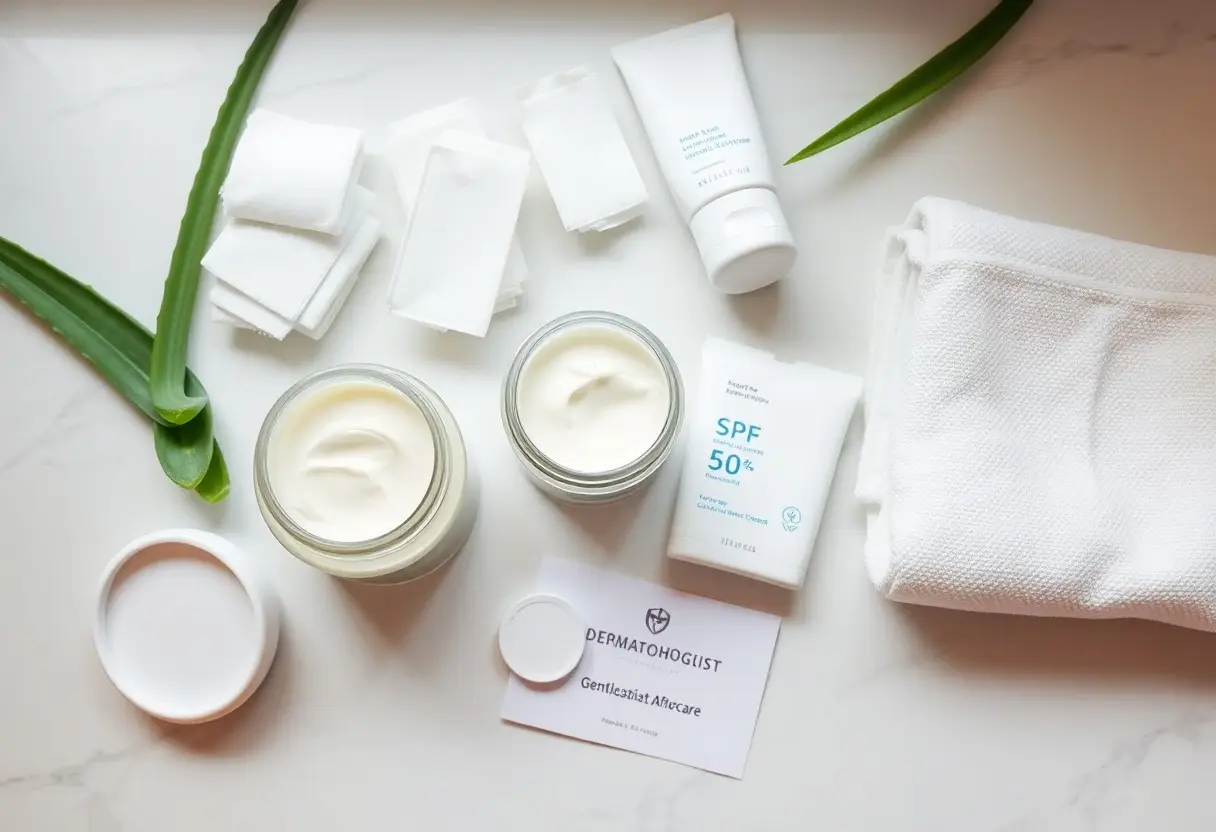
Skincare after intimate lightening requires gentle attention to prevent irritation and infection. You must avoid harsh products, tight clothing, and sun exposure to protect delicate, newly treated skin. Use a fragrance-free moisturizer daily and never pick or scratch the area. Cleanse with lukewarm water and pat dry. Healing properly ensures safe, effective results.
Key Takeaways:
- Keep the area clean and dry after intimate lightening to prevent irritation and reduce the risk of infection.
- Use a gentle, fragrance-free moisturizer daily to support skin healing and maintain a soft, even texture.
- Avoid sun exposure and always apply sunscreen if the treated area will be exposed, as UV rays can cause darkening and undo results.
Immediate Post-Treatment Recovery Steps
Follow your provider’s instructions without delay to ensure optimal healing. Avoid touching the treated area with unwashed hands and refrain from using hot water or harsh cleansers for at least 24 hours. Wear loose, breathable clothing to prevent friction and irritation, and stay out of direct sunlight to protect sensitive skin.
Maintaining Proper Hygiene and Dryness
Keep the area clean using only lukewarm water and a gentle, fragrance-free cleanser. After washing, pat the skin dry with a clean towel-never rub. Moisture trapped in folds can lead to irritation or infection, so ensuring complete dryness is important for safe recovery.
Applying Recommended Soothing Agents
Use only the soothing cream or ointment prescribed by your specialist. Applying the correct product minimizes redness and discomfort while supporting skin repair. Do not substitute with over-the-counter lotions, as ingredients like alcohol or fragrance can worsen sensitivity.
Your skin is especially receptive to healing agents immediately after treatment. The recommended soothing ointment often contains calming ingredients like aloe vera or panthenol, which reduce inflammation and restore moisture balance. Consistent, thin-layer application as directed prevents cracking and peeling, helping you achieve smoother, even-toned results without complications. Stick strictly to the formula your provider approved-introducing unapproved products risks adverse reactions.
Key Factors Affecting Skin Regeneration
Your skin’s ability to renew itself depends on several biological and environmental factors.
- Hormonal balance influences cell turnover
- Hydration levels impact tissue repair
- Sun exposure can delay healing
- Nutrient intake fuels regeneration
Recognizing your unique recovery pace helps set realistic expectations.
Understanding Individual Skin Sensitivity
Skin reacts differently based on your genetic makeup and past treatments. Some experience redness or itching, while others heal smoothly. You may notice increased reactivity if you have a history of dermatitis. Pay attention to early signs of irritation. Recognizing your skin’s signals prevents worsening reactions.
The Role of Friction and Clothing Choices
Tight clothing creates constant friction that irritates freshly treated skin. Synthetic fabrics trap moisture, raising the risk of infection and inflammation. You’ll heal faster in loose, breathable materials like cotton. Avoid seams or rough textures near sensitive areas. Recognizing how fabric interacts with healing skin supports recovery.
Fabric rubbing against treated zones can disrupt the skin barrier and trigger hyperpigmentation. Continuous pressure from tight underwear or pants may cause micro-tears, slowing regeneration. You reduce inflammation by choosing soft, seamless designs that limit contact. Smooth, natural fibers allow airflow and reduce sweat buildup, creating a safer environment for healing. Protecting the area from mechanical stress is just as important as topical care.
Essential Tips for Prolonging Results
Consistency in your routine ensures longer-lasting outcomes.
- Use gentle cleansers daily
- Apply lightening products as directed
- Avoid harsh scrubs or exfoliants
- Wear breathable fabrics
After
Hydration and Moisturization Strategies
Your skin recovers faster when kept hydrated. Use a fragrance-free moisturizer twice daily to prevent dryness and irritation. Look for ingredients like ceramides or hyaluronic acid to strengthen the moisture barrier. After
Protecting the Area from UV Exposure
Sunlight can reverse your progress quickly. The treated skin is more sensitive and prone to darkening when exposed to UV rays. Always shield the area with clothing or use a physical barrier sunscreen. After
UV exposure triggers melanin production, which can lead to uneven tone or re-pigmentation in delicate areas. Even minimal sunlight through clothing may be enough to affect results, especially if you’re using active lightening agents. Make sun protection a non-negotiable step every single day.
How to Identify and Manage Side Effects
Redness or mild discomfort after intimate lightening is common, but knowing when to act can prevent complications. Watch for signs like swelling, blistering, or intense burning, as these may signal an adverse reaction. Discontinue use immediately if symptoms worsen and consult a dermatologist to avoid long-term damage.
Recognizing Normal Redness versus Irritation
Some pinkness right after treatment is expected and usually fades within hours. True irritation includes persistent stinging, raised bumps, or spreading redness. You should never ignore symptoms that intensify over time-these are not part of the healing process and may require medical attention.
Cooling Techniques for Enhanced Comfort
A cool compress applied gently can soothe mild post-treatment warmth. Avoid ice directly on the skin, as it may cause further sensitivity. Chilled aloe vera gel offers both comfort and healing benefits while maintaining the area’s natural moisture balance.
Temperature plays a key role in recovery, and controlled cooling helps reduce inflammation without shocking the skin. Use a clean, soft cloth soaked in cool water or store a fragrance-free moisturizer in the fridge for a calming application. Consistent, gentle cooling can shorten recovery time and improve your overall experience, especially in sensitive zones where skin is thinner and more reactive.
Ingredients and Activities to Avoid
Protecting your skin after intimate lightening means being mindful of what you expose it to. Your healing process can be disrupted by certain ingredients and behaviors, especially in the first few days. Avoid anything that causes irritation, increases sensitivity, or traps heat, as these can lead to inflammation or pigmentation issues. Stick to gentle, doctor-approved routines and let your skin recover without interference.
Steering Clear of Harsh Chemicals and Fragrances
Harsh chemicals and synthetic fragrances can trigger severe irritation on freshly treated skin. Your intimate area is highly sensitive, and products containing alcohol, parabens, or artificial scents may cause redness, burning, or allergic reactions. Use only fragrance-free, hypoallergenic products recommended by your dermatologist to prevent setbacks in healing and maintain balanced skin health.
Restricting Intense Physical Activity and Heat
Sweating and friction from vigorous workouts can introduce bacteria and irritation to the treated zone. High heat from exercise, saunas, or hot baths may also increase swelling and delay recovery. Avoid intense physical activity for at least 48-72 hours post-treatment to protect your skin’s healing process and reduce the risk of infection or inflammation.
When you engage in strenuous movement too soon, your body generates heat and moisture in sensitive areas, creating an environment where infection and chafing can thrive. Tight workout clothes worsen this by rubbing against delicate skin. Let your body rest and allow the treatment area to breathe-opt for loose cotton clothing and light activity until your skin fully calms and regenerates.
Monitoring Progress and Professional Follow-ups
Track changes in skin tone and texture weekly to assess how well your skin responds to treatment. Consistent observation helps identify improvements or concerns early. Always share these updates with your provider during check-ins to ensure your regimen stays effective and safe.
Signs That Require Medical Attention
Notice sudden redness, swelling, or pain? These could signal an adverse reaction or infection. Discharge, blistering, or worsening discoloration also demand immediate care. Don’t wait-contact your specialist right away if any of these occur to prevent long-term damage.
Scheduling Maintenance Appointments
Plan follow-up visits every 6 to 8 weeks, or as advised by your specialist. Regular appointments help sustain results and adjust treatments if needed. Sticking to your schedule prevents regression and supports long-term skin health.
Maintenance appointments aren’t just about preserving results-they’re your best defense against uneven pigmentation returning. Your provider may recommend gentle touch-up sessions or tweak your at-home routine based on how your skin behaves over time. Proactive care minimizes risks and enhances confidence, keeping your skin balanced and healthy with professional oversight.
To wrap up
With this in mind, you protect your results by avoiding sun exposure, using gentle cleansers, and applying fragrance-free moisturizers daily. You maintain skin health by refraining from harsh scrubs and giving your skin time to heal. You ensure long-term comfort and even tone by following your provider’s aftercare instructions precisely.