
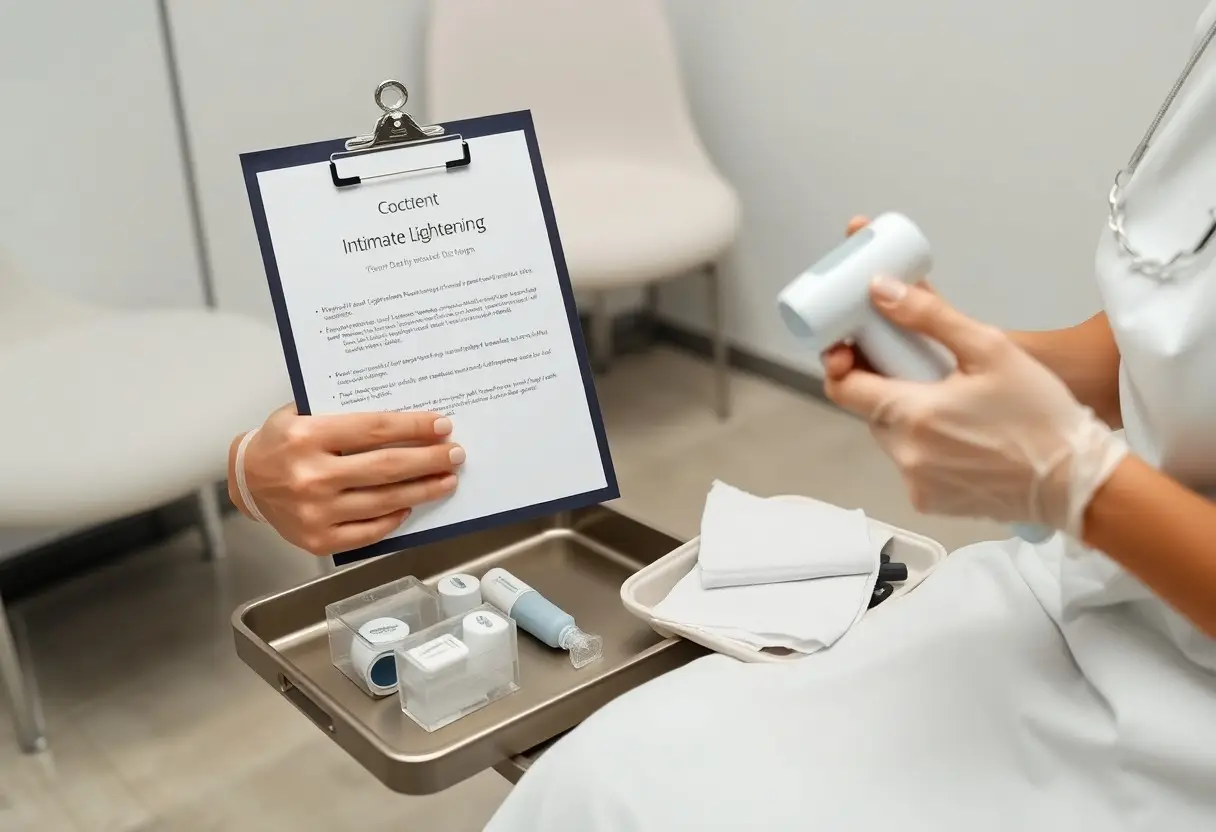
Over 60% of people seek intimate lightening for confidence and comfort. You must avoid sun exposure at least two weeks before your session to prevent burns. Never let an unlicensed technician perform the procedure-risks include scarring and infection. Results are noticeable after just one treatment, but touch-ups may be needed every few months.
The Professional Vetting
Choosing the right specialist shapes your safety and results. Always confirm your provider holds proper certifications and uses medical-grade equipment. A clean, licensed facility signals professionalism. Never assume experience equals expertise-verify their background in intimate lightening specifically, not just general skincare. Your body deserves qualified, proven care, not guesswork.
Skill Over Savings
Cost should never outweigh competence. A lower price might mean diluted treatments or untrained hands. You risk burns, scarring, or uneven results with unqualified providers. Investing in a skilled specialist ensures safe, effective outcomes and protects your most sensitive skin.
The Honest Dialogue
Your provider must welcome your questions without hesitation. A transparent conversation about risks, expected results, and aftercare is non-negotiable. You have the right to clear, truthful answers before any procedure begins-silence or vague replies are red flags.
Open communication builds trust and ensures you’re fully informed. A reputable specialist will ask about your medical history, skin type, and goals, then explain how the treatment works for your unique case. They won’t pressure you or promise miracles. When they acknowledge limitations and potential side effects, that honesty reflects professional integrity-a sign you’re in responsible hands.
Preparing the Canvas
Every successful intimate lightening treatment begins with clean, irritation-free skin. You must avoid waxing, shaving, or using harsh products 48 hours prior. Avoiding inflammation ensures safer, more effective results and reduces the risk of adverse reactions during the session.
Timing the Grooming
Shave at least one day before your appointment. Trimming too close to treatment can leave skin vulnerable, increasing sensitivity and potential for redness. Proper timing allows the surface to calm, making the process smoother and more comfortable for you.
The Product Purge
Stop using retinoids, AHAs, and acne treatments 72 hours before your session. These ingredients can over-sensitize delicate skin, raising the chance of burning or uneven results. Keeping your routine simple protects your skin‘s barrier.
Continuing with active ingredients like glycolic or salicylic acid can cause chemical burns when combined with lightening agents. Your technician won’t always know what you’ve applied at home, so full transparency and strict adherence to the purge are necessary. Skip anything that exfoliates or treats breakouts to ensure a safe, effective treatment.
The Chemistry Lesson
You’re about to meet the science behind your results. Lightening treatments rely on active ingredients that interact with melanin, the pigment in your skin. Understanding what goes on your body ensures safer, more effective outcomes. Knowledge protects you as much as the treatment enhances.
Friendly Brighteners
Gentle agents like kojic acid and vitamin C work gradually to even tone without harsh reactions. These skin-supportive ingredients reduce discoloration while respecting your skin’s natural barrier. You’ll often find them in formulas designed for sensitive areas, offering noticeable improvement with minimal risk.
Chemical Villains
Hydroquinone and high-concentration steroids may promise fast results but carry serious long-term risks, including ochronosis and thinning skin. These ingredients are often hidden in unregulated products. You should always ask for full ingredient disclosure before any treatment.
Some banned substances still appear in off-label or imported creams marketed for intimate lightening. Prolonged use of hydroquinone, especially above 4%, can lead to irreversible darkening and skin damage. Steroids not meant for delicate zones can cause permanent texture changes and increased sensitivity. Your safest choice is transparency-insist on knowing every ingredient applied to your skin.
The Treatment Reality
You’ll feel a warm, tingling sensation as the applicator glides over delicate skin. Some discomfort is normal, but sharp pain isn’t typical-alert your provider immediately if this occurs. Results aren’t instant; multiple sessions are required for visible, lasting change. Always follow aftercare instructions to avoid irritation or infection.
Physical Sensations
Heat is the most common feeling during treatment, often compared to a rubber band snap. Stinging or burning means something’s wrong-speak up right away. Mild redness afterward is expected, but swelling or blistering isn’t. Your comfort matters, so communicate openly with your technician.
Time in the Chair
A single session typically lasts 15 to 30 minutes, depending on the area treated. You’ll be in and out quickly, but don’t expect full results after one visit. Most clients need 6-8 sessions spaced 4 weeks apart for optimal outcomes. Downtime is minimal, making it easy to fit into a busy schedule.
Each appointment is brief, but consistency is key. The skin in intimate areas regenerates slowly, so spacing treatments too close together can cause damage. Waiting the full 4 weeks allows your skin to heal and respond properly. Skipping aftercare or sun protection between visits can delay progress or lead to complications. Stick to your provider’s timeline for the safest, most effective results.
The Aftercare Protocol
Your skin needs time to heal properly after treatment. Follow your provider’s instructions closely to prevent irritation or infection. Avoid heat, sweat, and tight fabrics for at least 48 hours to support optimal recovery and results.
Fashion for Comfort
Choose loose, breathable clothing made from natural fibers like cotton. These fabrics reduce friction and allow airflow, helping your skin stay cool and minimizing the risk of chafing or inflammation during the healing phase.
Activity Constraints
Avoid workouts, saunas, and swimming for two to three days post-treatment. Excessive sweating or exposure to bacteria increases the chance of infection and delays healing. Let your skin rest to ensure the best outcome.
Physical activity raises your body temperature and stimulates sweat glands in treated areas, creating a breeding ground for bacteria. This can lead to folliculitis or pigmentation changes if proper downtime is ignored. Sticking to light movement is acceptable, but intense exercise must wait until your skin fully calms and any sensitivity fades. Your provider will guide you on when it’s safe to resume normal routines.
The Result Timeline
Changes begin appearing within a few weeks, but full results typically take 4-6 sessions spaced 2-4 weeks apart. Your skin’s response varies based on tone, area treated, and product strength. Over-treating risks irritation or uneven pigmentation, so follow your specialist’s schedule precisely.
Patience and Persistence
Progress unfolds gradually, and skipping sessions slows improvement. Consistency leads to even, lasting results, while impatience may cause complications. Trust the process-your skin needs time to respond safely and effectively.
At-Home Diligence
Your specialist will likely prescribe a daily regimen. Skipping these steps undermines professional treatments and delays outcomes. Daily application of lightening agents and sunscreen is non-negotiable for success.
Following your at-home routine strictly enhances and prolongs clinic results. Use only approved products, as mixing incompatible ingredients can cause sensitivity or darkening. Always apply broad-spectrum SPF 30+ daily-sun exposure reverses progress and increases the risk of complications.
Conclusion
From above, you understand that preparation, skin sensitivity, and professional guidance shape your experience. You know to avoid sun exposure, disclose medical conditions, and follow aftercare strictly. You recognize that results vary and safety comes first. This knowledge equips you to approach your first intimate lightening appointment with confidence and realistic expectations.
FAQ
Q: What should I do to prepare my skin before an intimate lightening treatment?
A: Avoid waxing, shaving, or using depilatory creams on the treatment area 24 to 48 hours before your appointment. This helps prevent irritation since the skin will be more sensitive during and after the procedure. Stop using retinoids, glycolic acid, or other exfoliating products on the area for at least three days prior. Clean, dry skin gives the best results and reduces the risk of adverse reactions.
Q: Is intimate lightening safe, and what kind of side effects might occur?
A: When performed by a trained professional using safe, approved products, intimate lightening is generally safe. Some people experience mild redness, itching, or dryness afterward, but these effects usually fade within a day or two. Rarely, improper products or techniques can lead to irritation or uneven pigmentation. Choosing a reputable provider who uses gentle, skin-friendly formulas lowers these risks significantly.
Q: How many sessions are typically needed to see results?
A: Most people begin to notice subtle changes after 2 to 3 sessions, but results vary based on skin type, the level of pigmentation, and the product used. A full treatment plan often includes 4 to 6 appointments spaced 2 to 3 weeks apart. Consistency and following aftercare instructions-like avoiding tight clothing and using recommended moisturizers-help maintain progress between visits.