
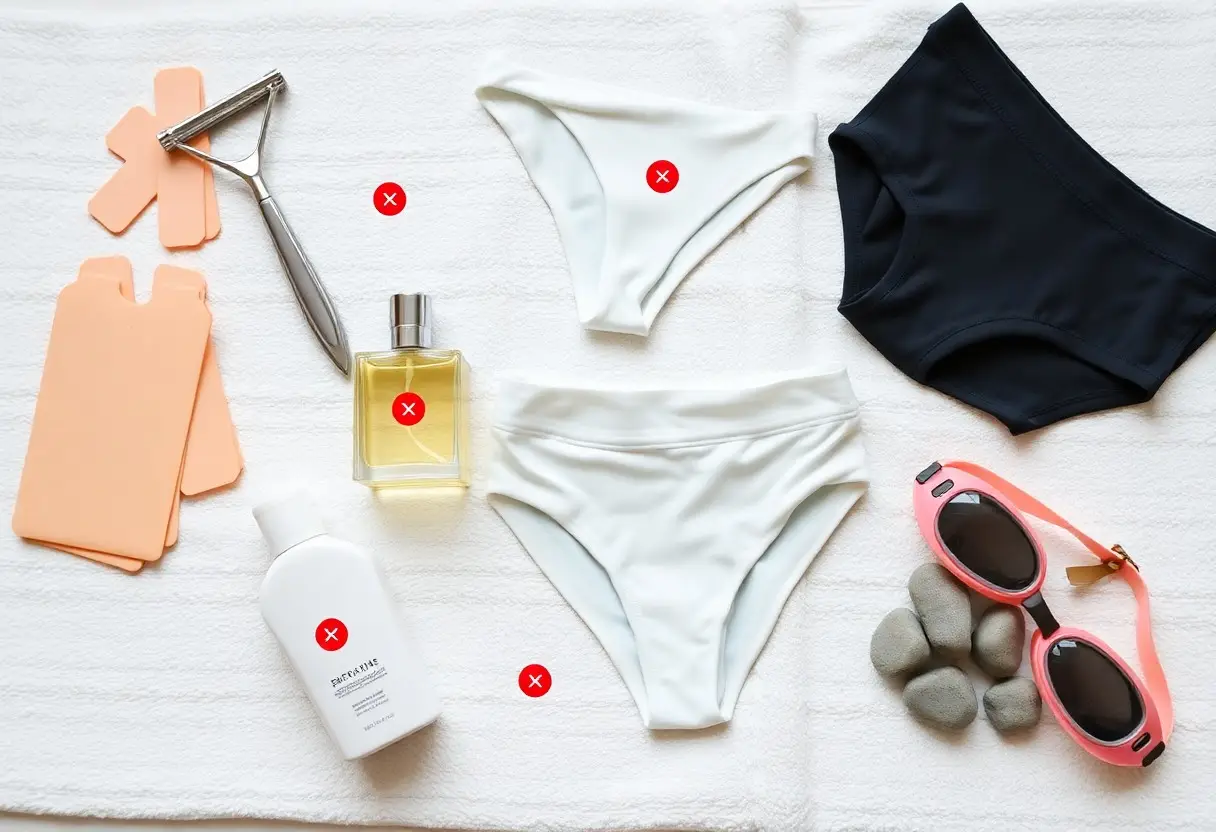
Intimacy begins with confidence, and proper care around intimate lightening can protect your skin and enhance results. Avoid waxing, shaving, or using harsh scrubs 48 hours before treatment to prevent irritation. Never apply products with fragrance or alcohol immediately after, as they can cause burns or hyperpigmentation. Stick to gentle cleansers and sunscreen to support healing and maintain an even tone.
Key Takeaways:
- Do not use harsh scrubs, bleaching agents, or at-home remedies before treatment, as they can irritate sensitive skin and increase the risk of uneven pigmentation or burns.
- Avoid waxing, shaving, or using depilatory creams on the area at least 48 hours before and after the procedure to reduce inflammation and prevent ingrown hairs.
- Stay out of direct sunlight and skip tanning beds before and after sessions, since UV exposure can counteract results and heighten skin sensitivity, leading to potential darkening or discomfort.
The Pre-Ritual Abstinence
Abstaining from intimate grooming practices in the days before your lightening treatment protects your skin’s integrity. Your body needs time to recover from any micro-trauma caused by hair removal, so skipping these procedures ensures a smooth, irritation-free surface for optimal results. This quiet period allows your skin to reset and respond better to the treatment.
The folly of the razor and the wax before the procedure
Shaving or waxing too close to your session invites redness, bumps, and heightened sensitivity. These methods strip the skin’s defenses, leaving it vulnerable to discomfort during lightening. Stop all hair removal at least 48-72 hours prior to protect your delicate area from unnecessary reactions.
Renouncing the harsh acids that offend the delicate dermis
Using glycolic, salicylic, or lactic acid products before treatment can compromise your skin’s protective barrier. These ingredients exfoliate aggressively, increasing the risk of stinging, peeling, or uneven results. Discontinue them at least five days before your appointment to ensure your skin is calm and receptive.
Strong chemical exfoliants may seem beneficial for brightening, but on sensitive intimate skin, they do more harm than good when used too soon. These acids thin the epidermis, making it prone to inflammation and increased absorption of active ingredients, which could lead to burns or hyperpigmentation. Let your skin return to its natural balance-this patience ensures safety and enhances your final outcome.
The Perils of Heat and Light
Exposure to intense heat or light too soon after intimate lightening can trigger inflammation and undo your results. Your skin becomes more vulnerable, reacting sharply to external stressors. Avoid saunas, steam rooms, and hot baths for at least 48 hours post-treatment to prevent irritation and pigmentation flare-ups.
Shunning the sun’s vulgar glare on sensitive territories
Sunlight is your skin’s fiercest adversary after treatment. UV exposure can cause severe darkening in newly lightened areas, reversing progress in hours. Keep treated zones fully covered or shielded with mineral-based sunscreen if exposed, even briefly.
Avoiding the sweat of the gymnasium, for exertion is the enemy of grace
Sweat carries bacteria and salt that irritate freshly treated skin. Friction from clothing during workouts worsens inflammation. Wait at least two days before resuming exercise to let your skin begin healing in peace and dryness.
Physical activity increases blood flow and body temperature, which may sound beneficial but becomes a liability here. As your skin heals, it lacks its usual defenses. Sweat traps moisture and fosters friction, creating an environment where redness, itching, or even infection can take hold. Avoid tight workout gear and intense sessions until your skin fully calms-patience ensures lasting results.
The Sartorial Sacrifice
You must rethink your wardrobe choices during intimate lightening treatments. Tight, synthetic fabrics trap heat and moisture, creating a breeding ground for irritation. Avoiding non-breathable materials is imperative to prevent inflammation and disrupt the healing process. Let comfort and skin health guide your clothing decisions in this sensitive period.
Casting aside the lace and lycra for the sake of breathability
Lace and lycra may look appealing, but they’re your skin’s worst allies post-treatment. These materials restrict airflow and hold in sweat, increasing the risk of chafing and bacterial buildup. Swap them out immediately-your recovery depends on letting the area breathe freely and stay dry.
Embracing the loose cotton, for friction is a bore one cannot afford
Loose cotton underwear supports healing by minimizing contact and allowing air circulation. This reduces friction, one of the top causes of post-treatment redness and discomfort. You’ll feel more at ease and protect your results by choosing soft, natural fibers over anything tight or synthetic.
Friction isn’t just uncomfortable-it can undo progress by triggering inflammation or hyperpigmentation in treated areas. When you wear loose cotton, you create a protective barrier that absorbs moisture and prevents rubbing during daily movement. Sticking to this simple fabric choice significantly lowers the chance of irritation and supports even, lasting results. Your skin will respond better when kept cool, dry, and undisturbed.
The Chemistry of Caution
Every product you apply before or after intimate lightening carries the power to heal or harm. Perfumes, alcohol-based toners, and synthetic dyes may promise allure but often deliver irritation or chemical burns. Your skin in delicate zones absorbs quickly-what you put on it matters more than you think. Choose only what is proven gentle and non-reactive.
Rejecting the perfumed vanities that sting the soul and skin
Perfume might feel luxurious, but on freshly treated skin, it’s a silent aggressor. Fragranced lotions, wipes, and sprays contain alcohols and allergens that provoke inflammation and delay healing. You don’t need illusionary scent-what you seek is comfort, not irritation masked as luxury.
Forgoing the abrasive scrub, a tool for stones, not blossoms
Scrubbing feels productive, but your intimate skin is not built for friction. Physical exfoliants like walnut shells or gritty beads cause micro-tears, increasing infection risk and pigmentation. Treat this area with the tenderness you’d give a petal, not pavement.
Believing a harsh scrub deepens results is a dangerous myth. These scrubs were designed for thick, resilient skin-not the thin, sensitive tissue in intimate regions. Micro-abrasions open pathways for bacteria and trigger reactive melanin production, worsening discoloration. Stick to enzymatic or very mild acid exfoliation only when fully healed, and only if approved by a specialist.
The Social Sabbatical
Choosing to pause social activities around your intimate lightening treatment supports optimal healing. Avoiding public spaces like pools and spas reduces exposure to irritants and bacteria, lowering infection risks. This brief withdrawal isn’t isolation-it’s intentional care, giving your skin the quiet it needs to respond well and look its best.
Stepping away from the public pool and its chemical embrace
Chlorine and bromine in public pools can trigger irritation and uneven pigmentation after treatment. Exposure too soon may undo progress or cause discomfort. You protect your results by staying out of hot tubs, saunas, and swimming facilities for at least 72 hours post-procedure.
Observing a brief period of restraint to ensure aesthetic perfection
Refraining from intimate activity for 48 to 72 hours prevents friction and microbial transfer. This short pause supports even healing and reduces swelling, helping you achieve the smooth, balanced tone you want. Your patience directly influences the final outcome.
Your skin undergoes subtle renewal after lightening, and any disruption-like pressure or sweat-can alter pigment distribution. Sexual activity, tight clothing, or vigorous exercise may introduce heat and bacteria, increasing the chance of inflammation. By honoring this brief window of stillness, you allow the treatment to settle evenly, ensuring a more consistent, natural-looking result without avoidable setbacks.
Conclusion
With these considerations in mind, you avoid harsh scrubs, sun exposure, and fragranced products before and after intimate lightening. You skip waxing or shaving right before treatment and refrain from sexual activity for a few days after. Following these guidelines ensures safer results and reduces irritation, giving your skin the care it needs to heal properly.