
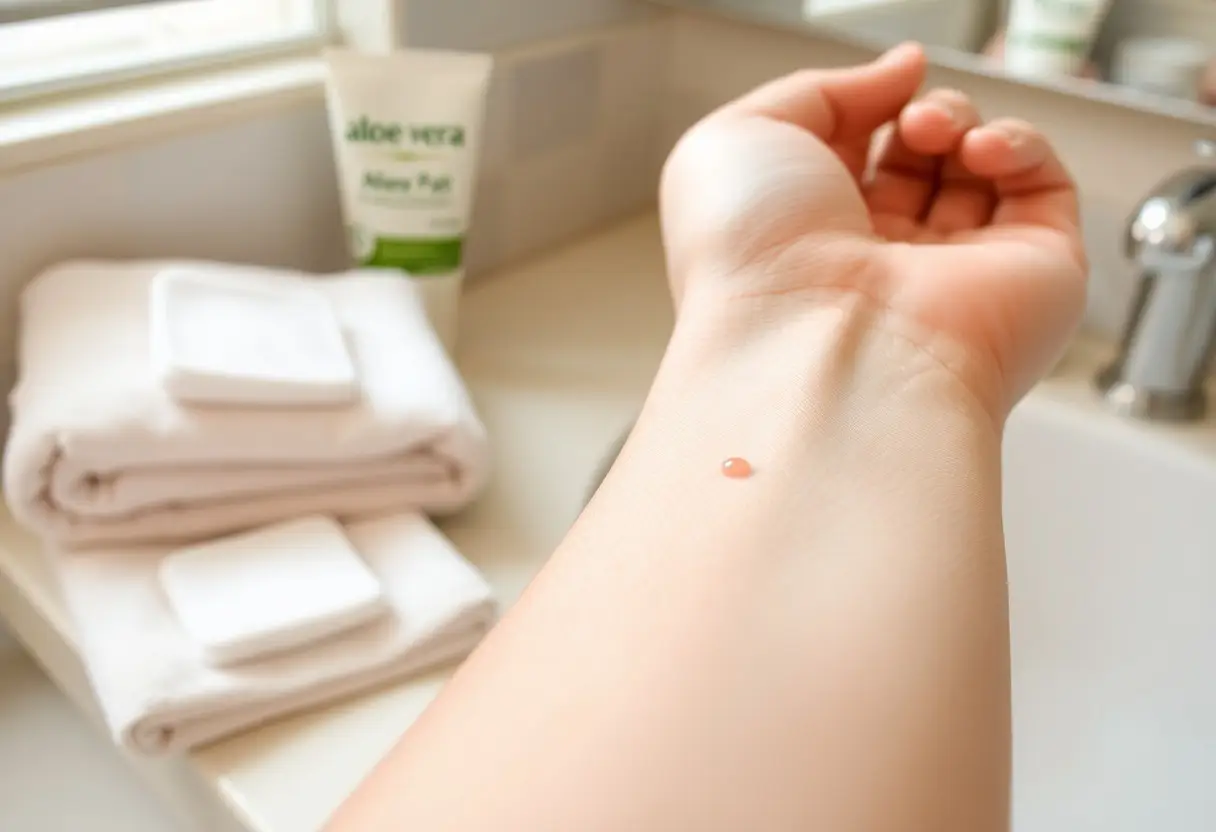
It’s common to develop bumps after waxing, often due to irritation or ingrown hairs. Do not pick at them-this can lead to infection. Apply a soothing, alcohol-free product with aloe or tea tree oil. Severe redness or pus means see a professional. Cool compresses and clean skin help speed recovery.
The Immediate Response to Aesthetic Tragedy
Redness, bumps, or stinging after waxing can feel like a setback, but your skin’s reaction is normal and temporary. Acting quickly helps reduce irritation and prevents infection. Avoid touching the area with dirty hands and step away from hot showers or tight clothing right after treatment.
The Grace of Cold Compresses
Temperature plays a powerful role in calming inflamed skin. Apply a cool, clean compress for 10-15 minutes to soothe discomfort and minimize swelling. This simple step constricts blood vessels and reduces the chance of prolonged redness or follicular irritation.
The Application of Aloe Vera
Aloe vera delivers natural relief with its anti-inflammatory and moisturizing properties. Use a pure, fragrance-free gel to cool the skin and support healing. This gentle ingredient helps prevent dryness and protects sensitive areas without clogging pores.
When applying aloe vera, ensure the product contains minimal additives-ideally, it should be 90% or higher in aloe content. Your skin absorbs it quickly, reducing heat and discomfort within minutes. Reapply once or twice if needed, especially if you notice lingering warmth or tightness in the waxed zone.
Refined Chemical Solutions
Modern skincare offers targeted treatments to calm irritation after waxing. You may notice faster recovery when using scientifically developed ingredients that address inflammation and prevent infection. Always patch-test new products to avoid worsening sensitivity.
The Merit of Salicylic Acid
You’ll benefit from salicylic acid if clogged pores contribute to your bumps. This beta-hydroxy acid exfoliates deep within follicles, reducing swelling and clearing dead skin. Overuse can cause dryness, so apply only as directed and limit frequency.
The Use of Mild Steroids
Hydrocortisone cream can quickly reduce redness and itching caused by post-wax inflammation. You should only use it for short periods, as prolonged application may thin the skin. Never apply steroids to broken or infected areas without medical advice.
When using mild steroids like over-the-counter hydrocortisone, you’re addressing the immune response that causes swelling and discomfort. These creams work by suppressing localized inflammation, offering relief within hours. However, extended use-beyond five to seven days-can lead to skin thinning or discoloration. Limit application to twice daily and stop immediately if irritation worsens. Always consult a dermatologist if bumps persist beyond a week.
The Art of Skin Maintenance
Consistency protects your skin more than any single product ever could. After waxing, your pores remain open and sensitive, making daily care vital. Ignoring post-wax routines increases the risk of infection and ingrown hairs. Cleanse gently, hydrate daily, and stay committed to a simple, effective regimen to keep skin smooth and irritation-free.
Delicate Manual Exfoliation
You should wait at least 48 hours before touching your skin with any scrub. Exfoliating too soon can cause severe redness and micro-tears. Use a soft, natural-bristle brush or a mild scrub in gentle circular motions to remove dead cells without aggression. This step keeps follicles clear and reduces bumpy outbreaks over time.
The Selection of Breathable Fabrics
Wearing tight or synthetic clothing after waxing traps heat and sweat against your skin. Friction from non-breathable materials can worsen bumps and cause irritation. Choose loose, natural fibers like cotton or bamboo to let your skin heal undisturbed. Letting air circulate reduces inflammation and speeds recovery.
When you wear synthetic fabrics like polyester or nylon, your skin can’t breathe properly, especially in warm or humid conditions. These materials hold moisture against your body, creating a breeding ground for bacteria that may lead to infections or inflamed follicles. Opting for breathable fabrics isn’t just about comfort-it’s a direct defense against post-wax complications. Stick to loose-fitting, light-colored cotton garments in the days following treatment to minimize irritation and support natural healing.
Future Preventative Measures
Protect your skin by adopting a consistent routine that reduces irritation and discourages ingrown hairs. Exfoliate gently two to three times weekly and moisturize daily with non-comedogenic products. Always avoid tight clothing immediately after waxing to minimize friction and allow your skin to recover fully.
Preparatory Skin Softening
Warm your skin before waxing with a damp cloth or quick shower. Softened hair and open pores make removal smoother and less traumatic. This simple step can drastically reduce post-wax bumps by allowing cleaner hair extraction with less tugging.
The Choice of a Skilled Practitioner
Expertise matters when it comes to waxing technique and hygiene. A trained professional applies the right tension and removes wax at the correct angle. Choosing an experienced technician lowers your risk of burns, rips, and inflammation.
When you select a licensed esthetician with proven experience, you’re not just paying for a service-you’re investing in skin safety. They recognize skin types, adjust methods accordingly, and use clean tools. A poorly executed wax can lead to scarring or infection, so verify credentials and read reviews before booking.
Recognizing Clinical Necessity
You may notice redness or small bumps after waxing, but not all reactions require medical care. Some irritation resolves on its own within a few days. Watch closely for signs that what seems minor could be something more serious. Your skin’s response tells you when to act.
Identifying True Inflammation
Swelling, intense redness, or pus-filled bumps suggest true inflammation, not just irritation. Warmth around the area or spreading discomfort is a strong indicator. These symptoms mean your body is fighting a reaction or infection. Don’t ignore persistent pain or worsening appearance.
Consulting a Medical Authority
See a dermatologist if symptoms last beyond a week or worsen. Prescription treatments may be needed for infected or severely inflamed skin. A professional can distinguish between folliculitis, allergic reactions, or other conditions. Early evaluation prevents complications.
When you consult a medical authority, expect a thorough assessment of your skin and recent hair removal habits. They may take a swab if infection is suspected or recommend topical antibiotics or corticosteroids. Self-treating with harsh products can worsen the condition, so professional guidance ensures safe, effective healing. Trusting a licensed provider protects your skin’s health long-term.
Conclusion
Taking this into account, you can manage bumps after waxing by keeping the area clean, avoiding heat and friction, and using soothing products like aloe vera or hydrocortisone cream. You reduce irritation by skipping workouts and tight clothing for a day or two. You give your skin the best chance to recover when you treat it gently and consistently.
FAQ
Q: Why do I get bumps after waxing?
A: Bumps after waxing usually appear because the hair follicles become irritated or inflamed when hair is pulled out from the root. This reaction, known as folliculitis, is common and often looks like small red dots or raised areas on the skin. The waxing process can also cause minor trauma to the skin, especially if the skin is sensitive or if the wax was too hot. People with curly hair are more prone to ingrown hairs, which can also show up as bumps. These reactions typically go away within a day or two if the skin is kept clean and calm.
Q: How can I reduce bumps after waxing?
A: To reduce bumps, avoid touching the area with dirty hands and skip heavy lotions or makeup right after waxing. Use a gentle, fragrance-free moisturizer or aloe vera gel to soothe the skin. Applying a cold compress can help calm redness and swelling. Starting the day after waxing, exfoliate lightly every other day to prevent dead skin from trapping new hair. Wearing loose clothing helps reduce friction, which can worsen irritation. If the bumps are itchy or uncomfortable, an over-the-counter hydrocortisone cream can be used sparingly for short-term relief.
Q: When should I be concerned about post-waxing bumps?
A: You should seek medical advice if the bumps become painful, fill with pus, spread quickly, or don’t improve after a few days. These signs may point to an infection rather than normal irritation. A fever or increasing redness around the area also suggests a more serious issue. If you’ve had allergic reactions to waxing products in the past, swelling or blistering could indicate another allergic response. In such cases, a dermatologist can recommend proper treatment and help prevent future problems.