
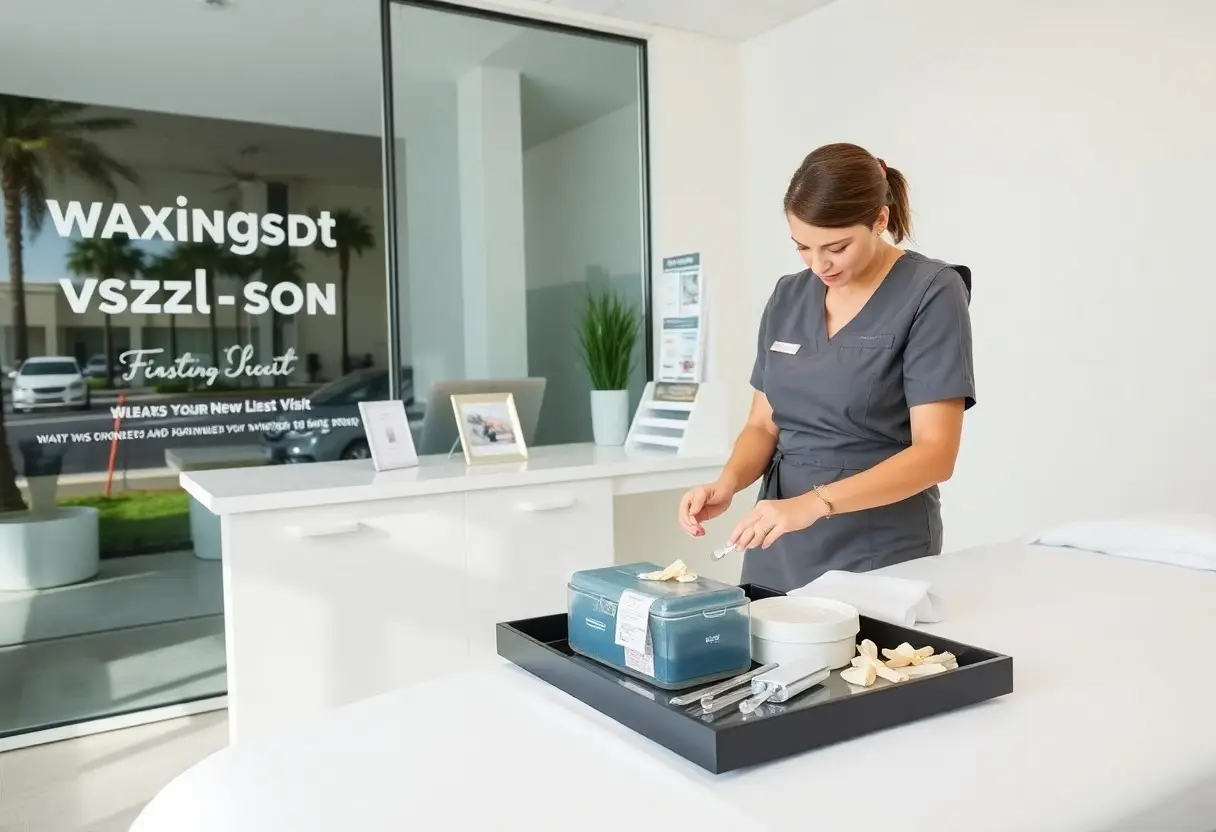
Over your first waxing visit, you should choose a salon that prioritizes sterile tools and trained technicians, explains pre/post care clearly, and delivers minimal discomfort and lasting smoothness; ask about patch tests to avoid allergic reactions.
Key Takeaways:
- Cleanliness and technician expertise: Choose salons that show strict sanitation, use single‑use or properly sterilized tools, and employ licensed estheticians experienced with first-time clients to minimize infection and discomfort.
- Clear consultation and aftercare guidance: First-time friendly salons provide pre-wax consultations, patch tests, pain‑management options, and written aftercare instructions to reduce irritation and support healthy regrowth.
- Transparent pricing, scheduling, and reviews: Upfront price lists, clear cancellation policies, flexible booking, and positive local reviews help set expectations and identify a reliable salon.
Prioritizing Hygiene and Sanitation Standards
Sanitation must be non-negotiable for first-time clients; you should expect visible cleaning routines, single-use supplies, and staff who follow strict protocols to minimize infection risk.
Clinical Cleanliness and Sterilization Protocols
Clinic rooms should appear spotless; you should see labeled autoclave cycles, sealed instrument pouches, and documented sterilization logs that ensure instruments are sterile before use.
The Strict “No Double-Dipping” Policy
Policy enforcement means you should watch for new spatulas per application and fresh wax per client; a strict no double-dipping rule prevents cross-contamination and reduces bloodborne and skin infections.
You should ask staff to describe their ‘no double-dipping’ routine: using a fresh disposable applicator for each wax pass, immediately discarding used sticks, and never reintroducing used wax into the jar. Visible signs like sealed applicator bins, labeled single-use products, and glove changes between clients confirm compliance; lapses increase the risk of hepatitis B/C and bacterial skin infections, so insist on enforcement.
Evaluating Esthetician Expertise and Experience
Estheticians with proper licensing and solid client histories help ensure you face fewer complications; you should check certifications, years of practice, and strict infection control protocols before booking.
Specialized Training for First-Time Clients
Training focused on first-time clients means you receive gentle pacing, clear aftercare, and a required patch test to reduce allergic reactions and anxiety during your visit.
Mastery of Pain-Minimization Techniques
Technique mastery shows when you experience shorter, less intense sessions through use of hard wax, correct pull direction, steady speed, and calming communication to lower discomfort.
You’ll notice pros pre-warm wax correctly, apply precise skin tension, and execute quick, consistent pulls; ask about optional topical numbing and precautions to avoid burns or infection.
Understanding Wax Quality and Skin Compatibility
Wax quality shapes how your skin reacts; you should pick products offering consistent adhesion, minimal residue, and low irritation potential so your first waxing experience avoids unnecessary redness and post-care issues.
Benefits of Premium Hard Wax for Sensitive Areas
Hard wax grips hair, not skin, so you’ll feel less tug and see reduced redness; choosing premium hard wax helps protect delicate zones like the bikini line and underarms during your first appointment.
Hypoallergenic Formulas and Skin Protection
Hypoallergenic formulations avoid common irritants and fragrances so you can minimize allergic reactions; you should seek labels with dermatologist-tested or fragrance-free claims and request a patch test.
Check ingredient lists with your technician, ask about preservatives and botanical extracts, and insist on a 24-48 hour patch test to watch for swelling or burning before proceeding with a full wax.
The Value of a Comprehensive Pre-Wax Consultation
Consultation lets you disclose medications and allergies, recent procedures, and concerns so the technician can identify contraindications and plan a safe service tailored to you.
Identifying Skin Sensitivities and Contraindications
Skin assessment pinpoints allergic reactions, active rashes or infections, and recent retinoid use so you avoid waxing when risk is elevated and a patch test or delay is recommended.
Customizing the Treatment Plan
Treatment plans consider hair type, skin sensitivity, and your pain preference to choose wax type, temperature, and pre/post-care so you receive a safer, more comfortable result.
Choices about wax type (hard vs strip), temperature, and technique are adjusted for your hair coarseness and sensitivity; technicians may perform a patch test, use a sensitive-formula wax, or offer topical numbing for low tolerance. If you use isotretinoin, blood thinners, or have open sores, the salon will postpone service and advise medical clearance to prevent severe reactions.
Creating a Comfortable and Private Environment
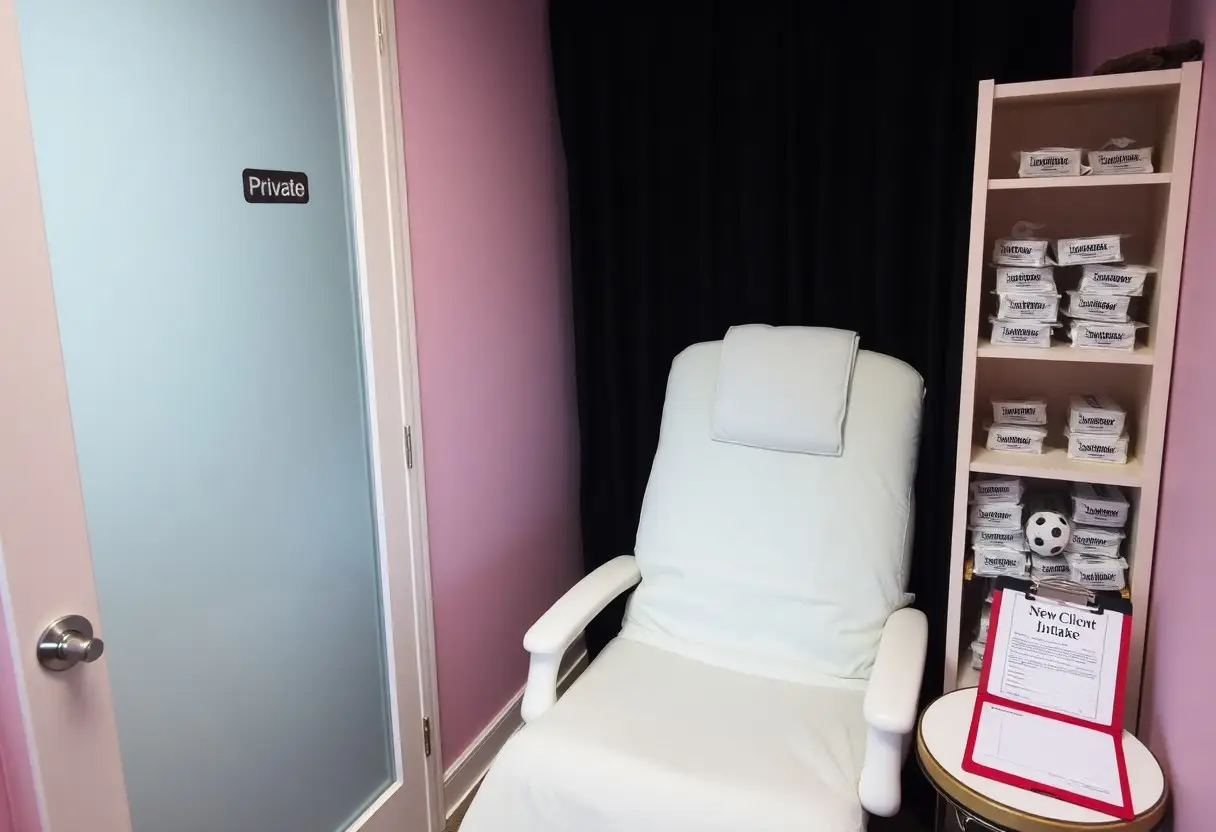
Comfortable treatment areas help you relax before service; quality salons provide private rooms, soothing lighting, and strict sanitation to protect your skin and dignity.
Importance of Discreet Treatment Rooms
Private rooms ensure you can undress and recover without exposure; you should expect locking doors, soundproofing, and curtained entry to preserve comfort and safety.
Professional Communication and Client Rapport
Clear communication lets you state concerns and consent; technicians should explain steps, check for allergies or medical conditions, and confirm comfort throughout.
Direct dialogue before and during your appointment builds trust: technicians should review your health history, explain product risks, ask permission before touching sensitive areas, and outline aftercare to prevent irritation. Tell staff about medications or skin treatments that increase sensitivity so they can adjust technique and keep you safe.
Essential Aftercare for First-Time Success
You should follow simple aftercare: cool compresses, avoid sun and sweating for 24-48 hours, and apply a gentle antiseptic or aloe. Check local pros like TOP 10 BEST Waxing Salons in Boynton Beach, FL for professional tips. Avoid sun and hot tubs.
Preventing Irritation and Ingrown Hairs
Use a gentle exfoliant after 48 hours, wear loose clothing, and avoid touching the area. If an ingrown appears, apply a warm compress and a salicylic acid product; do not pick or shave to prevent infection. Plan regular gentle exfoliation to reduce recurrence.
Maintaining Results Between Appointments
Schedule follow-ups every 4-6 weeks and keep skin hydrated with a light, non-comedogenic lotion. Avoid heavy creams that clog follicles. Use sunscreen on waxed areas and exfoliate gently twice weekly to prolong smoothness. Consistent care yields longer-lasting results.
Between appointments you should exfoliate gently twice weekly using a soft scrub or a salicylic acid product to prevent ingrowns, moisturize daily with a fragrance-free, non-comedogenic lotion, and trim stray hairs with scissors rather than shaving. Avoid strong retinoids or chemical peels within a week of waxing and skip steam rooms that can irritate healing skin.
Final Words
Presently you should choose a waxing salon in Boynton Beach that prioritizes hygiene, experienced technicians, clear pricing, and gentle aftercare to ensure a comfortable first-time visit.