
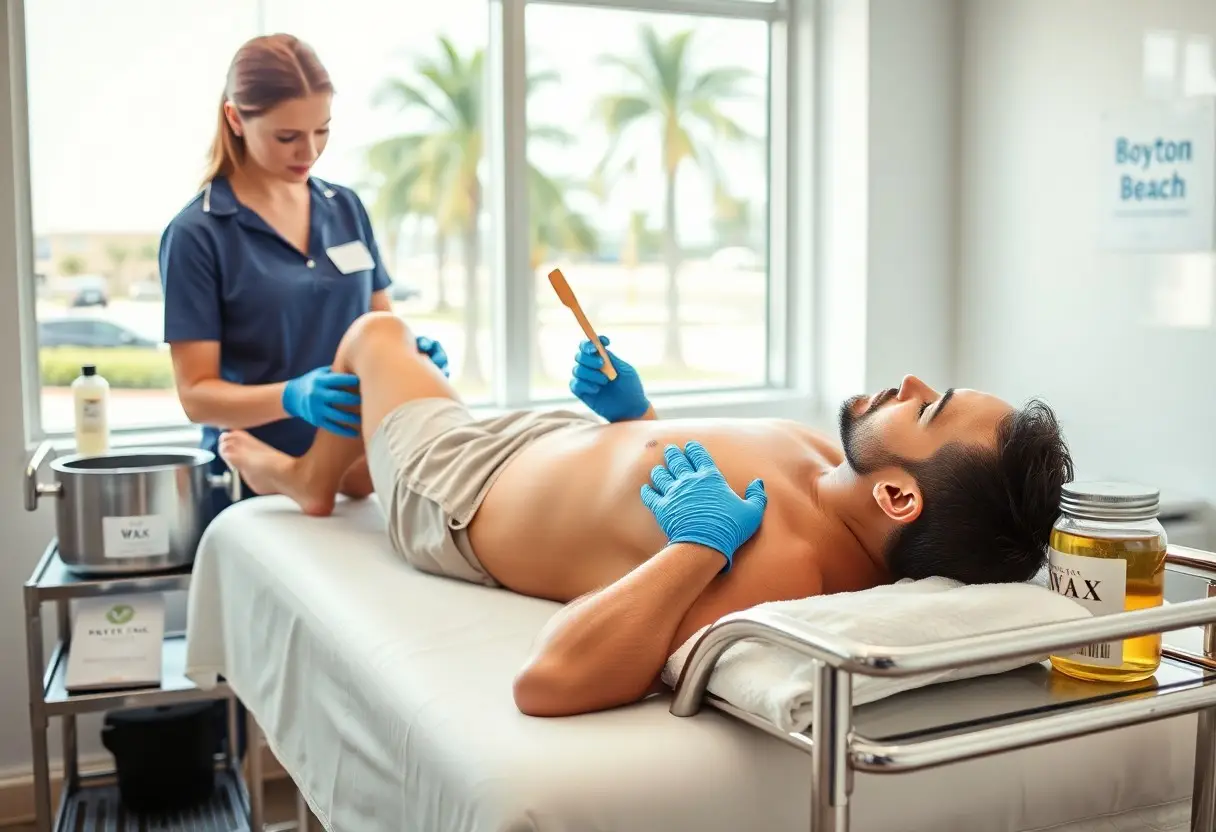
Just know that you’ll feel brief discomfort, you may experience sharp twinges or irritation, and professional salons reduce infection risk and speed recovery, so pain varies by area, hair, and technique.
Key Takeaways:
- Pain varies by body area and personal tolerance; small areas cause minimal discomfort while the groin and chest can be more sensitive.
- Discomfort is brief and sharp during strip removal and fades quickly, with repeat sessions usually feeling easier as hair thins.
- Experienced technicians plus proper prep and aftercare (clean skin, trimmed hair, soothing gels) significantly reduce pain and irritation-choose a reputable Boynton Beach salon.
Understanding the Sensation: What to Expect
Expect brief stinging and sudden pulls during waxing; if you and your technician use numbing gel and proper technique, the pain is usually short-lived and results feel worth it.
Factors Influencing Personal Pain Thresholds
Your sensitivity hinges on stress, skin condition, recent trimming and tolerance; pre-wax care and a skilled technician lower irritation. Any discomfort you experience is often controllable with simple prep and aftercare.
- Men’s waxing
- pain threshold
- hair density
- Boynton Beach
How Male Hair Density Affects the Process
Thicker, coarser hair creates more pull, so you may feel sharper sensations in dense areas; technicians often adapt with different wax types to reduce discomfort.
When hair is very dense, your technician may split sessions, use hard wax for coarse follicles, soften hair with steam or oil and offer numbing; that can raise short-term pain but lowers long-term risks like ingrown hairs and skin trauma, and you can request slower passes or patch tests.
Common Waxing Areas and Sensitivity Levels
Common waxing areas include arms, legs, back, chest, shoulders, and intimate zones; you’ll feel varying discomfort depending on hair thickness and skin sensitivity. Expect low-to-moderate pain on larger areas and higher sensitivity in delicate zones.
Back, Chest, and Shoulder Treatments
Back, chest, and shoulder waxing tends to be quicker and you often experience less intense pain because skin is thicker; you may feel sharp tugs on coarse patches but an experienced technician can minimize discomfort.
Intimate Grooming and Sensitive Zones
Intimate grooming and sensitive zones usually cause the most discomfort; you should expect brief, sharp pain and possible redness, so choose a trained provider and consider pre-appointment numbing options.
When considering intimate waxing, you should communicate any medications, allergies, or skin conditions to your technician; higher risk of irritation and infection means thorough prep, a patch test, and gentle post-care-cold compresses, soothing aloe, and avoiding tight clothing reduce complications.
The Role of Professional Technique
Skillful technique dramatically reduces pain and skin damage when you get waxed; a trained esthetician uses precise tension and fast removal to protect skin. See Is Getting a Male Brazilian Wax Normal? Myths Busted. Expect less discomfort and fewer skin injuries when pros handle it.
Hard Wax vs. Soft Wax for Men’s Skin
Hard wax pulls hair without sticking to skin, so you feel less sting and lower irritation on coarse male hair, while soft wax may cause more redness and higher sensitivity. Choose hard wax for intimate areas and soft wax for large body zones.
Why Expert Application Minimizes Discomfort
Proper application times hair growth, stretches skin, and removes strips against hair quickly so you feel shorter, sharper tugs instead of prolonged pulling; you also get cleaner results with less bruising when an expert works.
Experts prepare your skin by trimming to ideal length, cleaning pores, and testing wax temperature so you avoid burns and unnecessary irritation. You will be guided to breathe and relax muscles at key moments, and strip removal follows hair-direction knowledge to minimize breakage. Post-care guidance reduces infection risk and ingrown hairs, delivering safer, more comfortable outcomes.
Preparation Strategies to Reduce Pain
Preparation reduces discomfort when you wax: exfoliate 24-48 hours prior, hydrate skin, avoid alcohol or heavy workouts, and consider a mild analgesic or a topical numbing cream your technician recommends. Proper prep gives less pain and lowers the chance of skin irritation.
Proper Exfoliation and Hydration
Exfoliate gently 1-2 days before to remove dead skin; you should then keep skin hydrated with a fragrance-free moisturizer to decrease ingrown hairs. Less dead skin means smoother waxing and reduced pain.
Identifying the Optimal Hair Length
Trim hair to about 1/4 inch (6 mm); if hair is too short it won’t grip and if it’s too long you’ll experience more tugging and pain-ask your technician to check before starting.
Measuring hair accurately helps performance: you can use a disposable ruler or a comb to verify roughly 1/4 inch (6 mm), usually 10-14 days of growth. If you recently shaved, allow growth or the technician may suggest rescheduling; if hair is excessive, trim slightly rather than shaving flat. For sensitive areas technicians may request slightly longer length for better grip and gentler results.
Post-Waxing Care for Skin Recovery
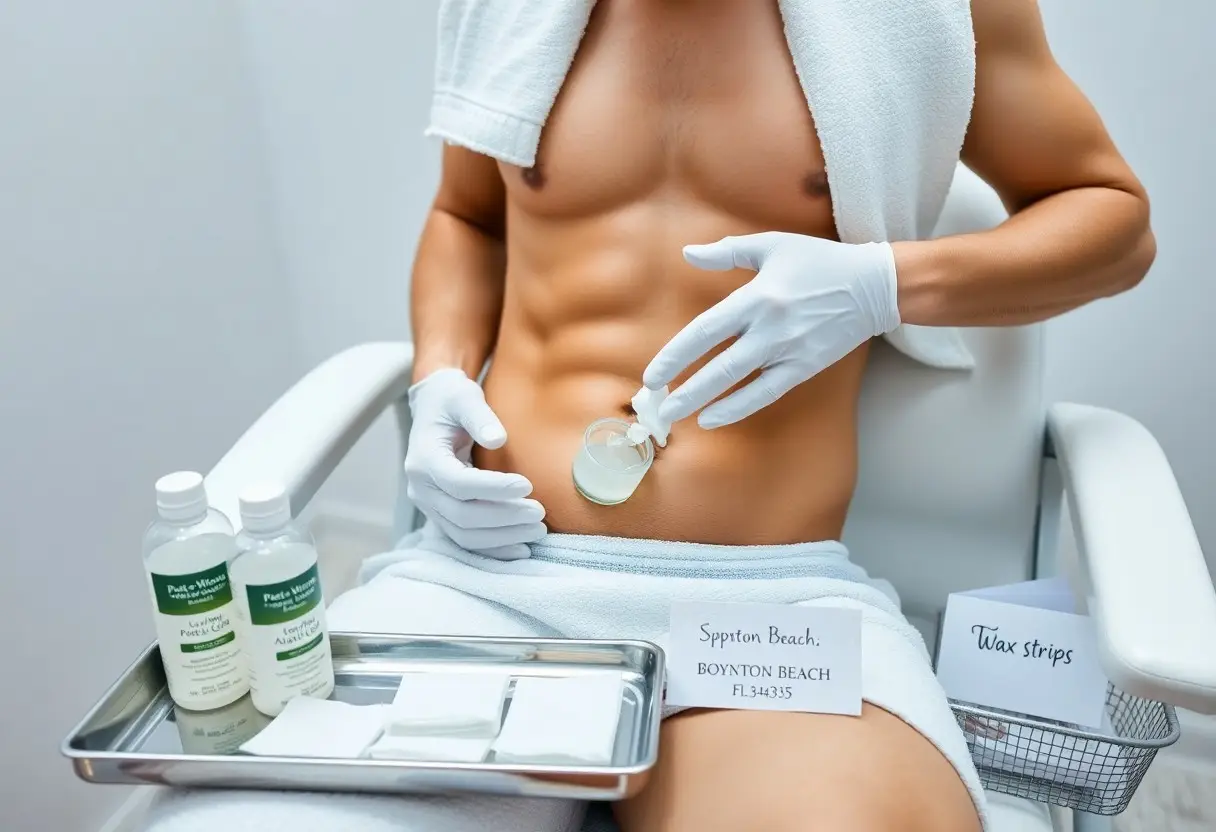
Aftercare helps your skin heal: apply a cool compress, a fragrance-free moisturizer, and avoid sun or hot baths for 24-48 hours. Wear loose clothing and skip heavy workouts. Watch for increasing redness, swelling, or pus; those signs suggest infection and need professional attention.
Soothing Redness and Immediate Irritation
Cool compresses calm the area; gently pat dry and apply an aloe or calendula gel. Avoid scrubs and active acids for 48 hours. If you get severe burning or spreading redness, contact your technician or doctor immediately.
Long-term Maintenance and Ingrown Prevention
Weekly exfoliation with a soft scrub or chemical exfoliant helps prevent ingrown hairs; follow with a non-comedogenic moisturizer and allow hair to grow at least two weeks between sessions. See a pro for persistent bumps.
Consistent care reduces recurrence: exfoliate two to three times weekly, use a chemical exfoliant (BHA/salicylic acid) if your skin tolerates it, and switch to looser underwear after waxing. Treat active ingrowns with warm compresses, a sterile needle only if trained, or topical retinoids prescribed by a clinician. Avoid picking; doing so raises the risk of infection and scarring. Consider professional laser hair reduction if ingrowns persist despite proper aftercare.
Selecting Boynton Beach Specialists
Choosing a specialist in Boynton Beach helps you verify credentials, read reviews, and confirm a good fit; pick someone with licensed status and positive client feedback to minimize pain and complications.
Identifying Licensed and Experienced Estheticians
Confirm that the esthetician is licensed and experienced with men’s waxing; ask about training, male-specific techniques, and years of practice so you reduce discomfort.
Evaluating Salon Hygiene and Comfort Standards
Inspect the salon for visible cleanliness, single-use supplies, and properly sterilized equipment; poor sanitation raises infection risk and increases post-wax issues that affect you.
Ask to see the esthetician’s license and observe their setup: clean linens, disposable spatulas, gloves, covered wax pots, and labeled disinfectants. Confirm they perform a patch test, explain aftercare, and can show sterilization protocols; if staff rushes or can’t demonstrate these, the infection risk and poor outcomes go up, so you should choose another salon. Privacy and your comfort matter.
Final Words
Summing up you can expect brief, manageable discomfort during men’s waxing in Boynton Beach; technique, area, and experience influence pain, professionals reduce sensitivity with prep and options, and repeat sessions typically feel easier while delivering long-lasting smooth results for you.