
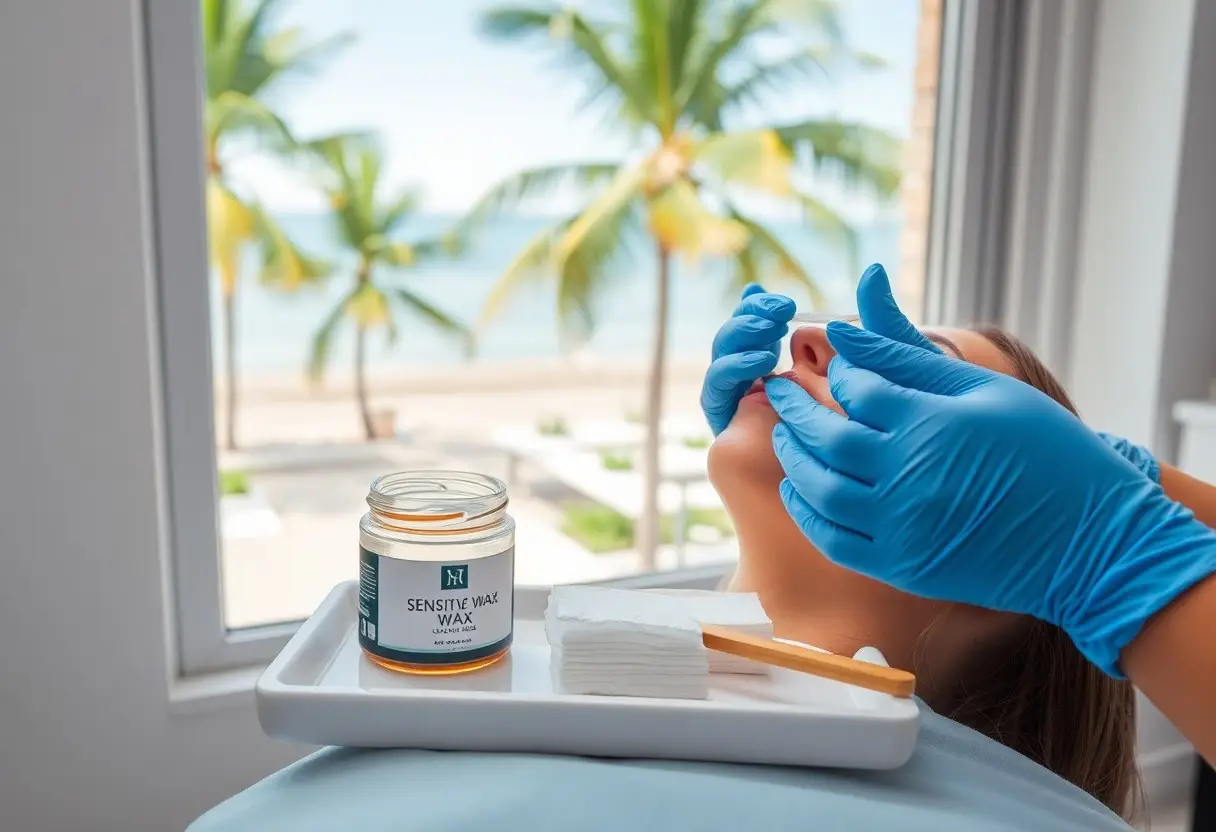
It’s smart to choose a hypoallergenic wax and patch test to avoid burns or irritation; you should see licensed estheticians in Boynton Beach and use cool compresses and gentle moisturizers for aftercare.
Key Takeaways:
- Pick an experienced Boynton Beach esthetician who specializes in sensitive skin and uses low-temperature hard wax or sensitive-formula products; request a patch test before a full facial service.
- Discontinue topical retinoids and strong chemical exfoliants at least two weeks before waxing; gently cleanse and avoid heavy exfoliation and sun exposure in the 48 hours leading up to your appointment.
- Soothe skin after waxing with cool compresses and fragrance-free aloe or a 1% hydrocortisone cream if needed; avoid hot showers, saunas, tanning, and heavy makeup for 24-48 hours to reduce irritation and breakouts.
Understanding Sensitive Skin in the Boynton Beach Climate
Boynton Beach’s humid, sun-intense climate can make facial skin more reactive; you may experience redness, irritation, and longer healing after waxing. You should plan treatments around cooler days and use gentle aftercare to minimize flare-ups.
Identifying Common Triggers for Facial Sensitivity
Sun exposure, strong cleansers, and fragranced products often trigger reactions; you should avoid these and choose gentle, fragrance-free formulas to protect freshly waxed skin.
How Heat and Humidity Affect Post-Wax Recovery
High humidity slows healing and increases sweat, so you may face prolonged redness, clogged follicles, or infection risk; you should cool the area and avoid heavy makeup for 24-48 hours.
Your post-wax routine should focus on reducing moisture and friction: cool compresses, loose breathable fabrics, and oil-free, antiseptic aftercare lower the chance of folliculitis and prolonged inflammation. You should skip saunas, intense workouts, and exfoliation for at least 48 hours, and consult a professional if bumps, worsening pain, or pus appear.
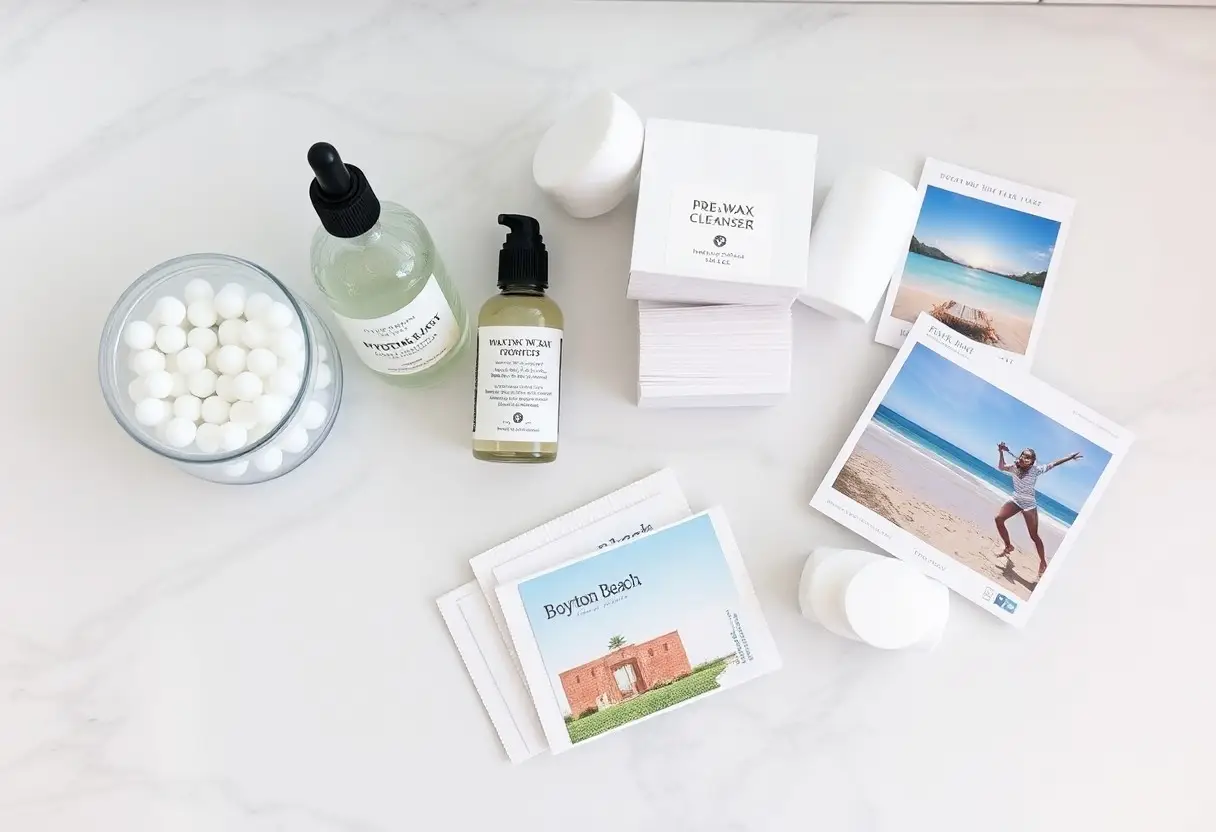
Essential Pre-Wax Preparation Protocols
Prepare by booking a salon patch test; avoid sunburn and follow esthetician instructions; check trusted choices like TOP 10 BEST Waxing Salons in Boynton Beach, FL and ensure you have a 48-hour clean, dry skin window before waxing.
Proper Hydration and Skin Priming Techniques
Hydrate your skin by drinking water and using a light, non-comedogenic moisturizer 24 hours before waxing; apply a thin layer to soften hair without clogging pores, and avoid heavy oils that can prevent wax adhesion.
Avoiding Retinoids and Harsh Exfoliants Before Treatment
Skip retinoids and harsh exfoliants for at least two weeks pre-wax, since they thin the skin and raise irritation risk; consult your esthetician about safe alternatives to maintain gentle exfoliation.
If you use prescription retinoids, stop them only after discussing with your prescriber and tell your esthetician; combining retinoids with waxing can cause severe irritation, blistering, or uneven pigment. You may use mild lactic acid or enzyme exfoliants up to 72 hours prior to keep pores clear. Ask your dermatologist for tailored timing when on medical-strength formulas.
Selecting the Best Waxing Mediums for Delicate Skin
You should opt for low-temperature, fragrance-free waxes labeled for sensitive skin to minimize irritation and redness; ask your Boynton Beach esthetician about patch testing and post-wax cooling care.
The Superiority of Hard Wax for Facial Contours
Hard wax molds to facial contours and grips hair, not skin, so you get less tugging and fewer red bumps, making it ideal when you want precise shaping around brows and the upper lip.
Benefits of Hypoallergenic and Zinc-Based Formulas
Hypoallergenic and zinc-based formulas soothe inflammation and help you avoid allergic responses; choose fragrance-free options and always patch-test to prevent breakouts.
Zinc-based ingredients like zinc oxide calm redness, reduce swelling and speed recovery; you should avoid waxing if using topical retinoids or if you have open lesions. Always request a patch test and select low-temperature, fragrance-free formulas to minimize post-wax inflammation.
Immediate Post-Treatment Soothing Strategies
Aftercare focuses on cooling and gentle hydration; you should avoid sun exposure, exfoliants, and heavy makeup for 24-48 hours and apply a soothing aloe vera gel to calm skin.
Cooling Agents and Calming Compresses
Apply a cool compress or wrapped ice pack for short intervals to reduce swelling; avoid direct ice-on-skin contact and limit sessions to 10-15 minutes while you let pores settle.
Recommended Ingredients for Reducing Redness
Use products with calming ingredients such as aloe vera, chamomile, or niacinamide; for stubborn redness consider a short course of 1% hydrocortisone only if your esthetician or dermatologist approves.
Choose lightweight, fragrance-free gels and serums that combine aloe vera for immediate cooling with niacinamide to reduce inflammation and strengthen the barrier. You should avoid products with alcohol or strong actives immediately post-wax; patch-test new items and wait 24 hours. For persistent or spreading redness, stop use and consult your esthetician or dermatologist rather than relying on prolonged steroid creams.
Long-Term Maintenance and Sun Protection
You should protect freshly waxed skin long-term by applying SPF 30+ daily, avoiding direct sun for 48 hours after sessions, and keeping skin hydrated to reduce irritation and hyperpigmentation.
Essential UV Defense for Freshly Waxed Skin
Protect freshly waxed skin by applying broad-spectrum SPF 30+ immediately, wearing a hat, and avoiding peak sun to reduce the risk of burns and dark spots.
Optimal Scheduling for Sensitive Skin Health
Schedule your appointments every four to six weeks to let follicles calm, avoid waxing before sunny events, and consult your technician about reactions to prevent breakouts or scarring.
When you plan your waxing calendar, account for your skin’s recovery: wait at least four to six weeks between full-face sessions, shorten intervals only for small touch-ups, and postpone waxing if you’ve had recent sun exposure or active irritation. Ask for a patch test after product changes, document reactions, and favor cooler months to reduce post-wax sun risk.
Summing up
As a reminder you should choose a gentle wax, test a small area, book experienced technicians in Boynton Beach, and apply soothing aftercare to reduce redness and protect sensitive skin.