
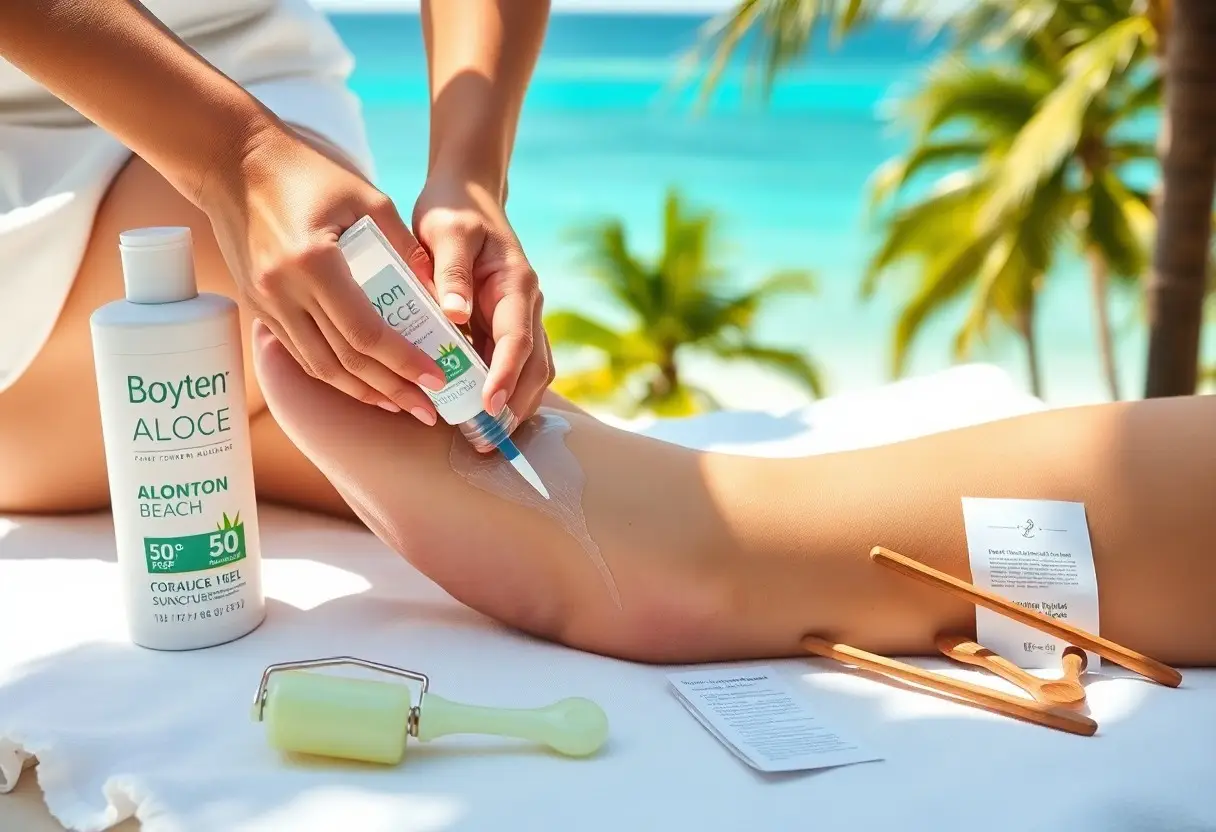
Many Boynton Beach clients find this post-wax routine helps you: cleanse gently, apply fragrance-free moisturizer, avoid sun exposure 48 hours, and seek care for signs of infection to protect skin and prolong results.
Key Takeaways:
- Soothe freshly waxed skin with a cold compress and aloe vera or a fragrance-free calming lotion to reduce redness and inflammation.
- Avoid sun exposure, hot showers, saunas, and swimming for 48-72 hours; apply broad-spectrum SPF 30+ before going outdoors in Boynton Beach.
- Use a gentle cleanser and a light, non-comedogenic moisturizer; postpone exfoliants and active treatments (retinoids, AHAs/BHAs) for at least 48-72 hours to prevent irritation and ingrown hairs.
Immediate Aftercare: The First 24 Hours
Keep the area cool and clean for 24 hours: apply a cool compress, use a gentle fragrance-free moisturizer, and wear loose clothing. If redness or swelling worsens, contact your salon. Do not exfoliate, and avoid sun, saunas, and hot tubs.
Calming the Skin Barrier
Apply a thin layer of aloe vera gel or a salon-recommended soothing balm to reduce redness; gently pat instead of rubbing, and avoid scented products. Use cool compresses for 10-15 minutes to calm inflamed skin and keep the area dry thereafter.
Activities to Avoid for Optimal Healing
Avoid heavy exercise, hot showers, swimming, tanning, and tight clothing for 24 hours; these increase risk of infection and irritation. Keep the area dry and cool to prevent prolonged inflammation.
Steer clear of saunas, tanning beds, hot tubs, chlorinated pools, vigorous workouts, and abrasive exfoliants for at least 24 hours since heat, moisture, and friction elevate your infection and folliculitis risk. You should also postpone chemical peels and strong acids for 48-72 hours and wear loose, breathable fabrics while you heal.
Boynton Beach Climate
Summer sun and high humidity can irritate freshly waxed skin, so you should focus on cooling, gentle products and avoiding heat for 24-48 hours. Apply a light, nongreasy moisturizer and wear breathable clothing to reduce friction and prevent ingrown hairs and inflammation.
Managing Sweat and Humidity Impact
You should gently pat excess sweat away after waxing and shower promptly to avoid pore blockage; use an alcohol-free toner and lightweight, non-comedogenic products to keep skin calm and prevent irritation in humid conditions.
Risks of Saltwater and Chlorine Exposure
Avoid swimming in the ocean or pool for at least 24-48 hours after waxing; saltwater and chlorine can deeply irritate and increase infection risk.
Swimming too soon exposes your open follicles to bacteria, salt and chlorine, increasing pain, redness and infection risk. If you do get wet, rinse with fresh water, apply a soothing aloe-based, alcohol-free gel, and avoid exfoliants for 48 hours. Consider wearing loose swimwear and scheduling swims at least two days after waxing to protect healing skin.
Essential Hydration and Moisture Retention
Hydration should be gentle after waxing; you should apply a lightweight, fragrance-free moisturizer within hours and reapply to maintain the barrier. Use products that lock in moisture without clogging pores-avoid oil-based products and pick a light, non-irritating formula.
Selecting Non-Comedogenic Moisturizers
Choose moisturizers labeled non-comedogenic and fragrance-free so you hydrate without causing breakouts; lightweight gels or lotions absorb quickly and keep skin smooth while you heal.
Restoring the Lipid Layer Post-Wax
Protect your skin by restoring the lipid layer with serums or creams containing ceramides and fatty acids; avoid strong acids or abrasive scrubs that strip oils and increase irritation-skip exfoliants for 48-72 hours.
Apply products in thin layers; after waxing you should pat-not rub-and let each layer absorb. Look for formulations with ceramides, cholesterol, squalane and hyaluronic acid to rebuild the barrier. Steer clear of retinoids and high-strength acids for at least a week-avoid retinol while skin settles.
Strategic Exfoliation Techniques
Exfoliation after waxing should be gentle; you should wait 48-72 hours before any exfoliant to allow the skin to heal, reducing irritation and the risk of infection.
Optimal Timing for Physical and Chemical Exfoliants
Timing matters: you should avoid physical scrubs and brushes for at least 72 hours, then introduce low-concentration AHAs or BHAs after 5-7 days to prevent overstripping and irritation.
Preventing Folliculitis and Congestion
You can lower folliculitis risk by applying a gentle, non-comedogenic moisturizer, avoiding tight clothing while pores close, and watching for red bumps or persistent soreness that warrant attention.
Aftercare steps include cool compresses, using a topical antiseptic or 2% salicylic acid pad if you’re prone to congestion, and scheduling gentle weekly exfoliation only once your skin is calm; seek professional care for spreading inflammation.
Targeted Prevention of Ingrown Hairs
Preventing ingrown hairs after waxing means you should exfoliate 2-3 times weekly, hydrate with a non-comedogenic lotion, and avoid tight clothing; treat raised bumps promptly to reduce infection and scarring risk.
Effective Active Ingredients for Smooth Skin
Use products with salicylic acid, glycolic acid, and niacinamide to clear follicles and calm irritation; salicylic acid helps prevent trapped hairs while niacinamide soothes redness and supports barrier repair.
Proper Application Methods for Daily Maintenance
Apply exfoliants and moisturizers gently in the direction of hair growth, avoid over-scrubbing, and patch-test new actives; stop use if you experience severe irritation.
Practice a simple daily ritual: after showering, pat your skin dry, apply a thin layer of chemical exfoliant at night two to three times weekly, then use a lightweight, non-comedogenic moisturizer; during daytime apply broad-spectrum SPF to reduce post-wax hyperpigmentation, and discontinue any product that causes burning or persistent redness-seek professional care for signs of infection.
Sun Protection for Sensitized Skin
Skin is extremely reactive after waxing; you should use gentle, non-irritating sun care. Avoid direct sun to prevent severe sunburn and prolonged redness.
Importance of Broad-Spectrum SPF in South Florida
Choose a broad-spectrum SPF 30+ mineral sunscreen you can tolerate; apply generously and reapply every two hours when you’re outdoors to protect fragile skin from intense UV.
Protective Clothing and Environmental Shielding
Wear UPF-rated clothing, a wide-brim hat, and sunglasses to shield treated areas; direct sunlight increases irritation.
Layer lightweight, breathable fabrics that block UVA and UVB; opt for UPF 50+ when possible. You should cover freshly waxed areas for 48 hours, and avoid tight synthetic fabrics that trap heat-use cotton or silk barriers under straps to reduce rubbing and discomfort.
Conclusion
Presently you should cool the area, cleanse gently with a mild, fragrance-free wash, apply aloe or a light moisturizer, avoid heat and exfoliation for 48 hours, wear loose clothing, and use broad-spectrum SPF before sun exposure.