
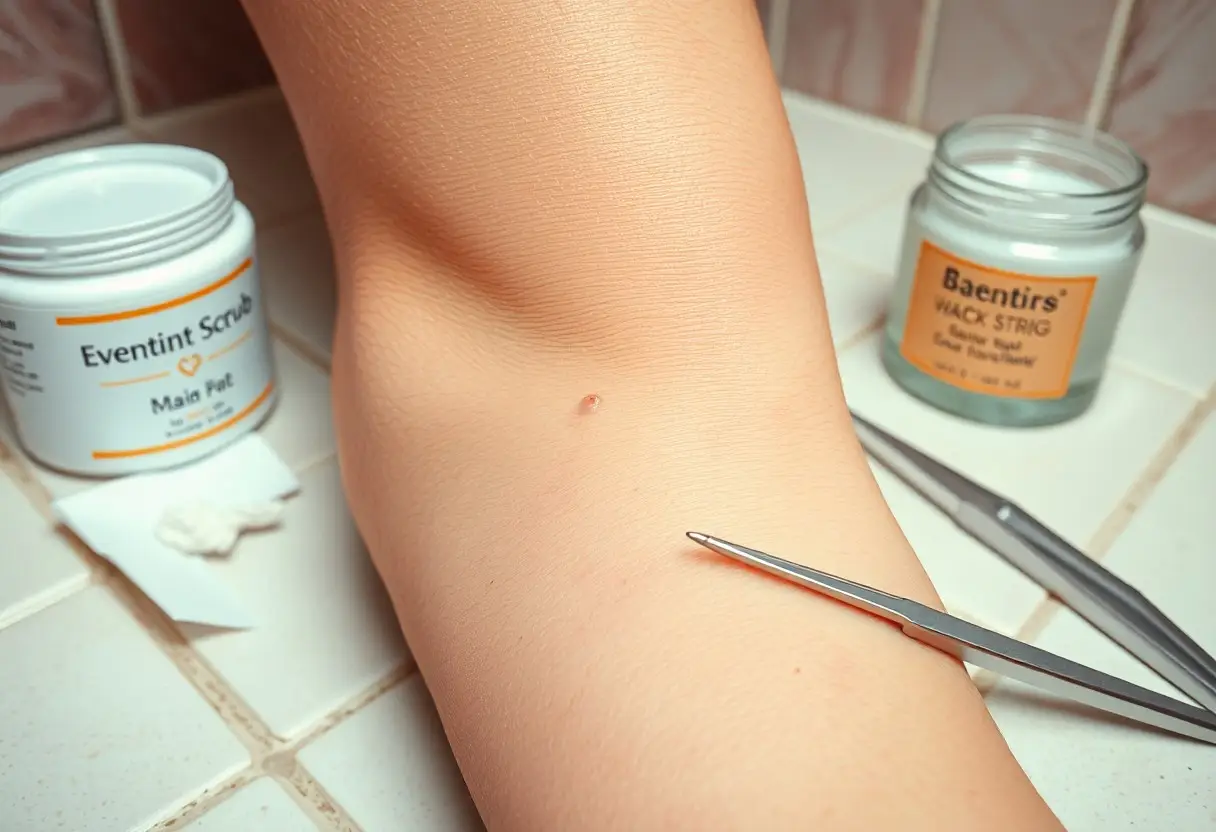
Waxing requires consistent timing to maintain smooth results and skin health. If you wait too long, hair may grow back unevenly, making the next session more painful. Follicle damage and ingrown hairs become more likely, while the benefits of long-term hair reduction diminish. Staying on schedule supports better outcomes.
The Resurrection of Coarse Textures
Time reactivates dormant follicles, reversing the smoothness you once achieved. As weeks pass, hair returns with a vengeance, regaining its original thickness and texture. Coarse regrowth feels sharper and more noticeable, undermining the soft results waxing initially delivered.
Defiance of the Softened Root
Your follicles adapt to regular waxing by producing finer, weaker hairs over time. When you skip appointments, those roots regain strength. Each delay allows hair to reestablish its natural resilience, making future removal more uncomfortable and less effective.
Return to Primitive Bristles
Extended breaks reactivate ancestral growth patterns, returning hair to its original, stubborn form. What once softened becomes rigid and unyielding, increasing discomfort during your next session and reducing the smooth window between treatments.
With every missed cycle, your hair reverts to its default state-thicker, darker, and more resistant. This isn’t just about texture; it’s biology reclaiming its course. Primitive bristles are harder to remove and more likely to cause ingrown hairs, undermining both comfort and skin health over time.
The Agony of the Unprepared Nerve
Waiting too long between waxes trains your nerves to expect pain. Each delay lets hair grow thicker and more stubborn, making the root stronger and the removal sharper. When you finally return, your skin reacts with heightened sensitivity, turning a manageable session into an ordeal. Your body doesn’t forget-but it does retaliate.
Forgetting the Sting
Time dulls memory, and you might underestimate how much waxing hurts. After months without treatment, you walk in unprepared for the burn, thinking it’ll be like last time. It won’t. The longer the gap, the more intense the sensation-and the greater the shock to your system.
Sensitivity of the Neglected Skin
Extended breaks leave skin unaccustomed to hair removal stress. Without regular exfoliation and waxing, dead cells build up, increasing the risk of ingrown hairs and inflammation. Your once-smooth routine now feels abrasive, even traumatic, because your skin has lost its resilience.
When skin goes too long without waxing, its natural turnover cycle becomes disrupted. Without consistent treatment, the follicles become clogged and the surface layer thickens. This creates a fragile barrier-more prone to tearing, redness, and long-lasting irritation. Over time, this damage can lead to hyperpigmentation or infection if not properly cared for between appointments.
The Chaos of Uneven Growth
When you skip your regular waxing schedule, hair regrows at different rates across the same area. This creates a patchy, inconsistent texture that’s hard to manage. Smooth, uniform results become nearly impossible to achieve, undermining the very purpose of hair removal. Over time, this irregular growth pattern makes each session less effective and more uncomfortable.
Stragglers in the Garden
Some hairs will emerge late, like weeds avoiding detection. These stragglers haven’t reached the optimal growth phase for removal, so wax can’t grip them properly. You’ll leave behind visible, stubborn hairs that defeat the goal of a clean finish, requiring more frequent touch-ups and increasing irritation risk.
Failure of the Unified Cycle
Waxing works best when all hairs are in the same growth phase. Delaying appointments disrupts this synchronization. Hairs grow independently instead of in unison, making it harder to achieve lasting smoothness. The treatment loses efficiency, and results become unpredictable.
Without consistent timing, your hair’s natural cycle falls out of alignment. Instead of removing most follicles in the active growth stage, you’re left catching only a fraction. This means more sessions, higher discomfort, and diminished long-term hair reduction benefits. Staying on schedule keeps your results strong and your skin calm.
The Peril of the Ingrown Menace
You’ve likely felt it-that sharp, tender bump just beneath the skin after skipping a wax. When you wait too long between appointments, hair grows back thicker and curls inward, increasing the chance of ingrown hairs. These trapped strands cause redness, swelling, and sometimes infection if left untreated.
Blockage of the Pores
Dead skin cells accumulate when you delay waxing, creating a barrier over emerging hairs. This buildup leads to blocked pores, trapping hair underneath and triggering inflammation. Without regular exfoliation and timely waxing, clogged follicles become breeding grounds for irritation and breakouts.
Hidden Imperfections Beneath the Surface
Below your skin’s surface, prolonged gaps between waxes allow deeper issues to form. Ingrown hairs and trapped debris may not be visible at first, but they create chronic inflammation that weakens follicles over time. What starts as a minor bump can evolve into lasting discoloration or scarring.
These hidden imperfections often go unnoticed until they worsen. As hair re-enters the skin instead of exiting cleanly, it triggers an immune response, leading to hyperpigmentation and raised bumps. Left unchecked, this cycle damages the follicle structure, making future waxing more painful and less effective. Consistent appointments help prevent this silent damage before it becomes visible.
The Erosion of Long-Term Benefits
You lose the progress you’ve built over time when you wait too long between waxing sessions. Consistency is key to achieving finer, sparser regrowth, and skipping appointments disrupts this cycle. Hair returns with its original thickness and density, undoing months of improvement. The smoother, longer-lasting results you once enjoyed begin to fade.
Reversing the Thinning Effect
Extended breaks between waxes allow hair follicles to recover fully. Your regrowth becomes coarser and more numerous, reversing the thinning effect waxing gradually creates. What once grew back slowly and lightly now returns with strength and speed, making each session less effective than the last.
Resetting the Clock of Vanity
Every missed appointment resets the timeline for optimal results. You’re no longer building on previous progress-you’re starting over. The confidence that came from predictable, smooth skin fades as unpredictability returns.
With each delay, your body reverts to its natural growth patterns, erasing the cosmetic advantages waxing provides. The longer you wait, the more frequently you’ll need to wax just to maintain basic smoothness, undermining the very convenience you sought. Patience and timing shape the outcome-don’t let inconsistency undo your efforts.
The Ritual of Proper Intervals
Timing shapes the success of your waxing journey. Waiting too long between sessions disrupts the cycle, allowing hair to regrow thickly and embed deeper into the follicle. This increases discomfort during removal and raises the risk of ingrown hairs. Staying consistent keeps the process smoother, less painful, and more effective over time.
Virtue of the Monthly Visit
Committing to a monthly waxing schedule aligns with your natural hair growth cycle. Regular appointments every 4 to 6 weeks ensure hair is long enough to remove but not so long that it causes tugging or breakage. This rhythm strengthens results, leaving skin smoother and reducing overall growth over time.
Maintenance of the Silken State
Consistency preserves the smooth, hair-free condition you want. Skipping visits leads to coarse regrowth, making the next session more painful and less effective. Exfoliating and moisturizing between appointments supports the skin, helping you maintain that polished finish without setbacks.
Sticking to your waxing rhythm doesn’t just prevent discomfort-it transforms the experience. When you maintain the silken state, hair becomes finer and sparser with each session. Long gaps reverse this progress, forcing you to restart the softening process. Your skin thrives on predictability, and so does your hair growth pattern-respect it, and the results will show.
To wrap up
Drawing together what happens when you delay waxing appointments, your hair grows back longer and thicker, making removal more painful. Ingrown hairs become more likely, and skin irritation increases. Over time, results weaken, and regrowth patterns shift. Sticking to a consistent schedule keeps the process smoother and more effective.
FAQ
Q: What happens to hair growth if you wait too long between waxing appointments?
A: Hair grows in cycles, and waxing works best when hair is about ¼ inch long-typically 3 to 4 weeks of growth. If you wait longer than 6 weeks, hair may become too long, tangled, or coarse, making the waxing process more uncomfortable. Longer hair can also break instead of being pulled out from the root, leading to ingrown hairs. Over time, irregular waxing disrupts the natural cycle, which may result in uneven regrowth and less effective results.
Q: Can waiting too long between waxing sessions cause more pain during the next appointment?
A: Yes, extended gaps between sessions often lead to thicker, coarser hair because it has more time to fully develop. Coarser hair has a stronger root and wider shaft, which requires more force to remove. This increases discomfort during waxing. Skin may also be less accustomed to regular hair removal, making it more sensitive. People who wax consistently every 4 to 5 weeks often report less pain over time due to finer regrowth and better skin adaptation.
Q: Does skipping regular waxing lead to more ingrown hairs?
A: Delaying waxing appointments increases the risk of ingrown hairs. When hair is left to grow too long, it can curl back into the skin as it emerges, especially if the tip has broken off during removal. Long hairs are more likely to snap rather than fully release from the follicle. Without consistent exfoliation and regular waxing cycles, dead skin cells can trap emerging hairs. Sticking to a regular schedule helps keep follicles clear and reduces the chance of irritation and ingrown hairs over time.