
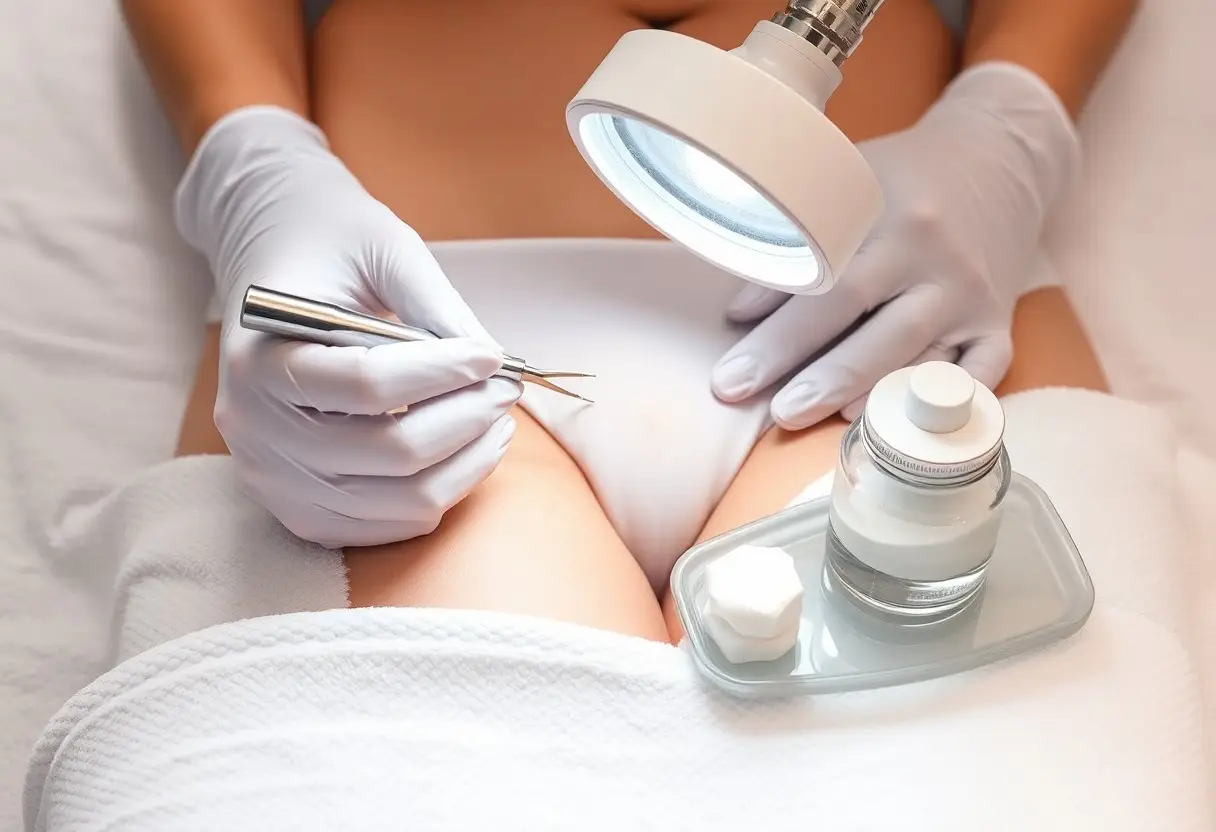
You may experience ingrown hairs due to shaving, waxing, or friction, and a vagacial could reduce inflammation and clear clogged follicles. This treatment uses gentle exfoliation and soothing serums to minimize irritation and prevent future ingrowns. While not a cure, it offers noticeable improvement in skin texture and comfort when performed by a licensed professional.
Key Takeaways:
- A vagacial may help reduce the occurrence of ingrown hairs by deeply cleansing pores and exfoliating dead skin cells that can trap hair beneath the surface.
- Regular vagacial treatments can promote smoother skin and minimize irritation in the bikini area, especially for those who shave, wax, or use other hair removal methods.
- While not a guaranteed fix, a vagacial can support overall skin health in sensitive areas, potentially lowering the risk of ingrown hairs when combined with proper aftercare and gentle skincare products.
The Anatomy of a Bump
Each bump you see starts deep within your skin, where a hair curls back or grows sideways into the follicle. This triggers inflammation, causing redness and swelling you can both see and feel. Left untreated, the area may become infected, worsening discomfort and appearance over time.
Follicular Follies
Every time you shave or wax, you risk disrupting the natural hair growth cycle. A hair may fail to exit the follicle, instead re-entering the skin and causing irritation. This common misstep leads directly to ingrown hairs, especially in coarse or curly hair types.
Surface Rebellion
Dead skin cells often pile up at the surface, forming a barrier that traps hairs beneath. When exfoliation is skipped, this buildup becomes a breeding ground for bumps. Clearing this layer is key to preventing future ingrowns and restoring smooth skin.
Surface Rebellion isn’t just about clogged pores-it reflects your skin’s response to neglect and irritation. When dead cells accumulate, they don’t just hide ingrowns; they actively suffocate emerging hairs. Regular, gentle exfoliation breaks this cycle, allowing hairs to surface naturally. Without this step, even the best treatments may fail, leaving you stuck in a loop of recurring bumps.
The Aesthetic Ritual
Every step in a vagacial is designed with your skin’s sensitivity in mind. From gentle cleansing to targeted treatments, the process respects the delicate nature of the intimate area. You’ll experience a structured yet soothing approach that prioritizes hygiene, comfort, and visible results without irritation or overstimulation.
Steam and Extraction
Steam opens pores, softening trapped debris and preparing the skin for safe extraction. This step helps loosen ingrown hairs and clears blockages that can lead to inflammation. Your provider performs extractions with sterile tools, minimizing the risk of infection or scarring while promoting smoother, clearer skin.
Exfoliation Rituals
Exfoliation lifts dead skin cells that contribute to clogged follicles and ingrown hairs. Using mild, pH-balanced acids or enzymes, this step encourages cell turnover without stripping natural moisture. The result is softer skin and a noticeable reduction in bumpiness over time with consistent care.
Chemical exfoliants like lactic or glycolic acid are often preferred in this phase because they dissolve cellular glue gently and effectively. Unlike harsh scrubs, these ingredients work beneath the surface to prevent future ingrowns without microtears. When applied correctly, exfoliation becomes a cornerstone of long-term smoothness and follicular health, especially in areas prone to friction and irritation.
The Efficacy Question
You may wonder whether a vagacial truly works for ingrown hairs. While it improves skin texture and reduces surface inflammation, it does not address the root cause of ingrowns-hair trapped beneath the skin. Results vary, and expectations should be realistic.
Temporary Relief
Some notice smoother skin and reduced redness after a vagacial. This calming effect can offer short-term comfort for irritated areas, especially when extractions and soothing serums are used. However, relief is often brief and not a permanent fix.
Long Term Expectations
Over time, regular vagacials alone won’t prevent recurring ingrowns. Without exfoliation or proper hair removal habits, trapped hairs will continue to form. Think of this treatment as supportive, not curative.
Consistent improvement requires more than occasional spa visits. You need a dedicated routine that includes gentle exfoliation, proper shaving or waxing techniques, and daily care. While a vagacial can complement this regimen by keeping pores clear and skin balanced, relying on it exclusively leads to disappointment. True progress comes from consistent at-home care, not isolated treatments.
Professional vs Home Remedies
You get better results with professional treatments than DIY methods when managing ingrown hairs. A licensed esthetician uses sterile tools and medical-grade products to reduce infection risks and target problem areas effectively. Home remedies may seem convenient, but they often lack precision and can worsen irritation.
Professional Expertise
Estheticians are trained to identify early signs of inflammation and extract ingrown hairs safely. Their access to clinical-strength exfoliants and antibacterial solutions means fewer complications. You benefit from personalized care that adapts to your skin‘s unique needs.
Bathroom Disasters
Picking at ingrown hairs with unclean tweezers invites infection and scarring. Without proper sterilization, you risk introducing harmful bacteria into open follicles. These common mistakes turn minor issues into long-term skin concerns.
Many people unknowingly worsen ingrown hairs by using dull razors or harsh scrubs in the shower. Without proper lighting or magnification, you might tear the skin while attempting extraction. These bathroom habits lead to hyperpigmentation, cysts, or permanent follicle damage-problems that require months to heal, if at all.
Potential Risks
Every skincare treatment carries some level of risk, and vagacials are no exception. While many people tolerate the procedure well, your skin may react unpredictably, especially in such a sensitive area. Being informed helps you make safer choices and avoid complications down the line.
Sensitivity Issues
Your skin in the genital region is thinner and more reactive than elsewhere. Some ingredients used during a vagacial-like acids or important oils-can trigger redness, burning, or swelling. If you have a history of allergic reactions, patch testing beforehand is a smart move to prevent discomfort.
Bacterial Concerns
Improper sanitation during a vagacial can introduce harmful bacteria. Tools and hands must be thoroughly cleaned to avoid infections like folliculitis or even UTIs. Choosing a licensed, hygienic provider drastically reduces this risk and protects your health.
Unsanitary conditions open the door to more than just minor irritation-pathogens such as E. coli or staph can enter broken skin or mucosal areas, leading to serious infections. The warm, moist environment of the genital region is ideal for bacterial growth, making cleanliness non-negotiable. Always verify that your provider follows strict sterilization protocols to keep you safe.
Preventive Measures
Consistency in skincare keeps ingrown hairs at bay. Exfoliating regularly removes dead skin cells that trap hairs beneath the surface. You should always use clean tools and avoid tight clothing that irritates sensitive areas. Staying proactive reduces inflammation and lowers the risk of infection.
Grooming Etiquette
Proper technique makes all the difference. Always trim long hair before waxing or shaving to prevent tugging and breakage. Use a sharp, clean razor angled at 45 degrees and shave in the direction of hair growth. This simple step minimizes irritation and discourages hairs from curling back into the skin.
Post Wax Care
Cooling the skin immediately after waxing soothes redness and calms follicles. Avoid heat, sweat, and tight fabrics for at least 24 hours. Applying a gentle, non-comedogenic moisturizer helps maintain hydration without clogging pores, reducing the chance of ingrowns forming.
After waxing, your pores are open and skin is more vulnerable to bacteria. This is why you must skip hot showers, saunas, and workouts right away-heat and sweat can trigger inflammation or infection. A lightweight serum with salicylic acid can help keep follicles clear, but avoid heavy oils or fragranced products that might irritate. Sticking to a calm, clean routine for two days dramatically improves healing and prevents complications.
Summing up
Presently, a vagacial can help reduce ingrown hairs by deeply cleansing follicles and exfoliating dead skin. You may notice fewer bumps and smoother skin with regular treatments. While not a permanent fix, it supports healthier hair growth when combined with proper aftercare. Results vary, but many see improvement over time.