
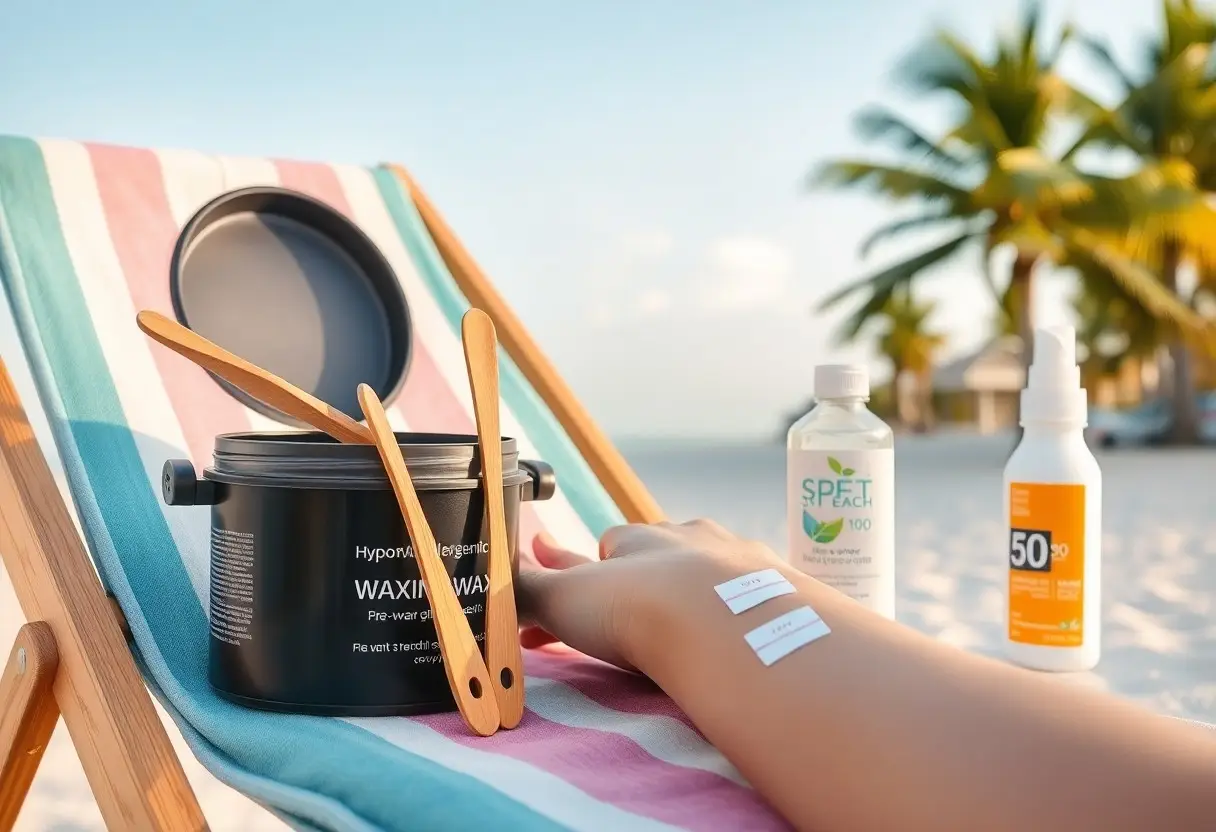
You can protect sensitive skin by patch testing and choosing a licensed esthetician; use hypoallergenic wax, do a 24-hour patch test, and avoid waxing on sunburned or retinoid-treated skin to prevent severe irritation.
Key Takeaways:
- Choose a licensed Boynton Beach esthetician who uses low-temperature wax and has experience with sensitive skin.
- Schedule waxing when skin is less sun-exposed, avoid tanning or strong sun 24-48 hours before and after, and keep the area clean and gently exfoliated beforehand.
- Apply soothing aftercare like aloe vera or a gentle cooling gel, perform a patch test for new products, and skip harsh exfoliants or heat treatments for 48 hours.
Essential Pre-Wax Preparation Protocols
You should stop topical retinoids 48-72 hours before waxing, trim hairs to about 1/4 inch, cleanse gently, and avoid sun exposure; do not wax inflamed or broken skin to prevent burns and infection.
Gentle Exfoliation Techniques for Delicate Skin
Use a soft chemical or microfine physical scrub 48 hours before waxing to help you lift dead skin; if you see redness, stop immediately; avoid harsh scrubs on inflamed areas.
Proper Skin Hydration and Priming Strategies
Apply a lightweight, non‑comedogenic moisturizer the night before to help you soften hair, then use a thin, oil‑free primer immediately before waxing; avoid heavy creams that block wax adhesion.
Avoid topical retinoids and strong acids for 3-5 days because they thin your skin and raise tearing risk; instead you can soothe with aloe, hyaluronic serums, or centella for reduced irritation and better wax results.

Selecting the Superior Waxing Method
Choosing the right waxing method matters for sensitive skin; you should opt for approaches offering lower heat and minimal skin traction, and always disclose allergies or skin conditions to your technician.
Benefits of Hard Wax vs. Soft Wax for Sensitivity
Hard wax clings to hair rather than skin, so you experience less irritation and fewer tugging sensations; soft wax covers skin more and can increase sensitivity and redness, especially on fragile areas.
Exploring Sugaring as a Natural Alternative
Sugaring uses simple sugar, lemon, and water to remove hair with gentler pulls and reduced burn risk, making it a solid option if you react to resins; check that tools are clean to avoid infection.
You can favor sugaring when you need a gentler approach: paste is applied at body temperature and removed with the hair’s growth direction, which reduces breakage and lowers ingrown hair risk. Ask for a patch test and verify the sugar is warm, not hot to prevent burns. Avoid sugaring over open cuts, sunburn, or active acne, and choose a technician who uses single-use gloves and clean tools. Follow aftercare-cool compresses and aloe vera soothe skin; skip hot baths for 24 hours.
Professional Standards for Boynton Beach Estheticians
Estheticians in Boynton Beach must meet strict licensing and continuing-education requirements so you receive safe waxing; verify licenses, updated training, and approved products to protect your sensitive skin.
Importance of Specialized Sensitive Skin Certifications
Credentials showing sensitive-skin training reassure you that the esthetician understands your needs; select professionals with sensitive-skin certifications to lower the chance of irritation and allergic reaction.
Evaluating Salon Sanitation and Patch Testing Procedures
Sanitation practices and patch tests determine your risk of infection and chemical burn; confirm single-use applicators, autoclaved tools, disposable gloves, and documented patch testing before full waxing.
Inspect the salon on arrival: look for visible cleaning between clients, sealed product packaging, and labeled autoclave indicators; ask that a patch test be logged 24-48 hours prior and watch for swelling, widespread redness, or blistering-if those signs appear, do not proceed and request a different product or medical advice because they indicate a high-risk reaction.
Post-Wax Recovery and Soothing Care
Post-wax you should soothe skin with cool compresses and a gentle, fragrance-free lotion; avoid exfoliation and hot baths for at least 48 hours to prevent irritation and infection, and monitor for excessive redness or swelling that may need professional attention.
Recommended Calming Ingredients: Aloe, Chamomile, and Tea Tree
Aloe gel and chamomile soothe redness while tea tree offers antimicrobial benefits; patch-test tea tree first, and use fragrance-free products so you don’t trigger further sensitivity after waxing.
Avoiding Heat and UV Exposure Post-Treatment
Stay away from saunas, hot tubs, and direct sun for at least 48 hours; UV exposure can cause lasting hyperpigmentation on freshly waxed skin, so cover treated areas or use high-SPF sunscreen when outdoors.
If you must be outdoors, seek shade, wear loose, breathable clothing, and apply SPF 30+; avoid tanning beds and intense workouts that cause heavy sweating for 48-72 hours to reduce irritation, folliculitis, and the risk of post-inflammatory pigmentation.
Long-Term Maintenance for Smooth Results
Maintenance helps you keep skin smooth by using gentle exfoliation, consistent moisturization, and sun protection; learn more at Waxing for Sensitive Skin: Tips to Avoid Irritation.
Safe Management of Ingrown Hairs
Treat ingrown hairs by gently exfoliating twice weekly, applying warm compresses, and using topical salicylic acid; avoid picking to prevent infection and scarring.
Establishing an Optimal Waxing Frequency
Schedule your waxing approximately every 4-6 weeks based on hair growth, pain tolerance, and skin reaction; adapt intervals if you notice increased irritation or breakthrough regrowth.
Observe your skin’s responses across cycles: if redness and bumps persist beyond 48 hours, extend time between appointments and consult a professional. If hair returns quickly but skin tolerates waxing, shorten intervals slightly. Use pre-wax calming routines and post-wax hydration, and avoid sun exposure for 48 hours to reduce irritation and hyperpigmentation.
Conclusion
Summing up, you should choose hypoallergenic wax in Boynton Beach, book certified technicians, patch-test first, keep skin hydrated, avoid sun and tight clothing post-treatment, and follow gentle aftercare to minimize irritation and promote faster healing.