
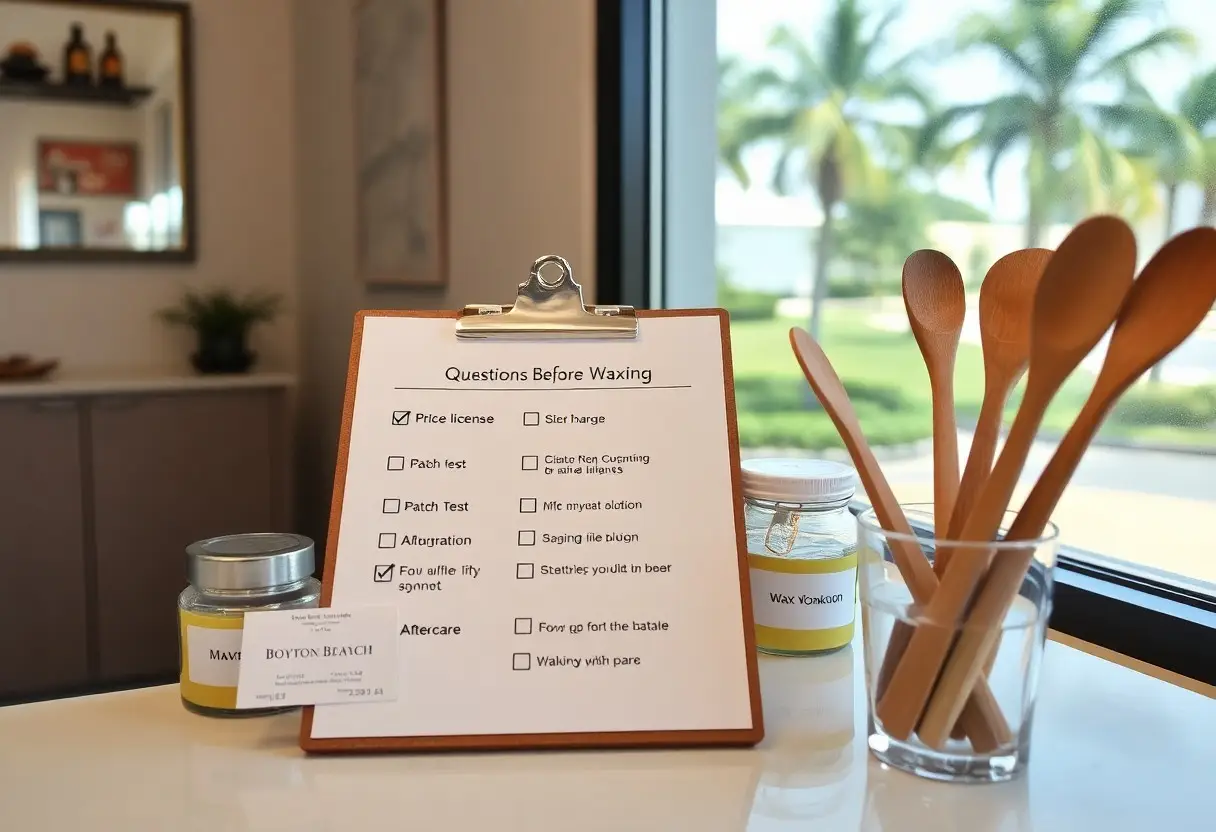
With safety as your priority, ask about license and sterilization, technician experience, wax type and allergy tests; confirm policies on infection and pricing so you and your skin receive a clean, professional result.
Key Takeaways:
- Ask about technician qualifications, experience with bikini/Brazilian waxes, and sanitation practices including licensing and single-use or sterilized tools.
- Ask which wax and skincare products will be used, whether they suit your skin type, and if a patch test is offered for sensitivities or allergies.
- Ask for pricing, appointment length, cancellation and touch-up policies, and clear aftercare instructions to minimize irritation and ingrown hairs.
Verifying Technician Credentials and Experience
Verify the technician holds a current Florida license, shows training certificates, and lists experience with your specific service; ask for references and proof of sterilization and infection-control so you avoid complications.
Florida state licensing and certifications
Florida requires an esthetician or cosmetology license for waxing; ask to see the license number, expiration date, and any specialty certifications so you can confirm legal compliance and training.
Specialization in specific waxing techniques
Ask if they specialize in Brazilian, facial, or body waxing; specialization can give you gentler, faster results and reduced irritation, so request examples and client feedback.
Specialists adapt wax type, temperature, strip method, and pre/post-care to your skin and hair; you should ask about experience with coarse hair, the use of hard wax for sensitive areas, pain-management techniques, allergy protocols, and documented outcomes or photos to gauge skill and safety.
Evaluating Sanitation and Safety Protocols
Ask whether staff perform thorough handwashing, change gloves between clients, and follow written sanitation protocols; you should check for clean, single-use supplies and read Questions Estheticians Need to Ask New Clients Before a … for full guidance.
Strict “no double-dipping” policies
Verify that technicians use fresh spatulas for each application and never reuse wax on another client; you should expect no double-dipping to prevent cross-contamination and bloodborne infections.
Sterilization procedures for multi-use tools
Confirm how metal tools are sterilized between clients-autoclave cycles, biological indicators, and documented logs indicate proper practice; you should look for sealed sterilization pouches.
Understand that proper sterilization requires pre-cleaning, packaged instruments run through an autoclave at validated temperatures and times, and routine use of chemical or biological indicators; you should ask to see sterilization logs and autoclave indicator strips to confirm compliance.
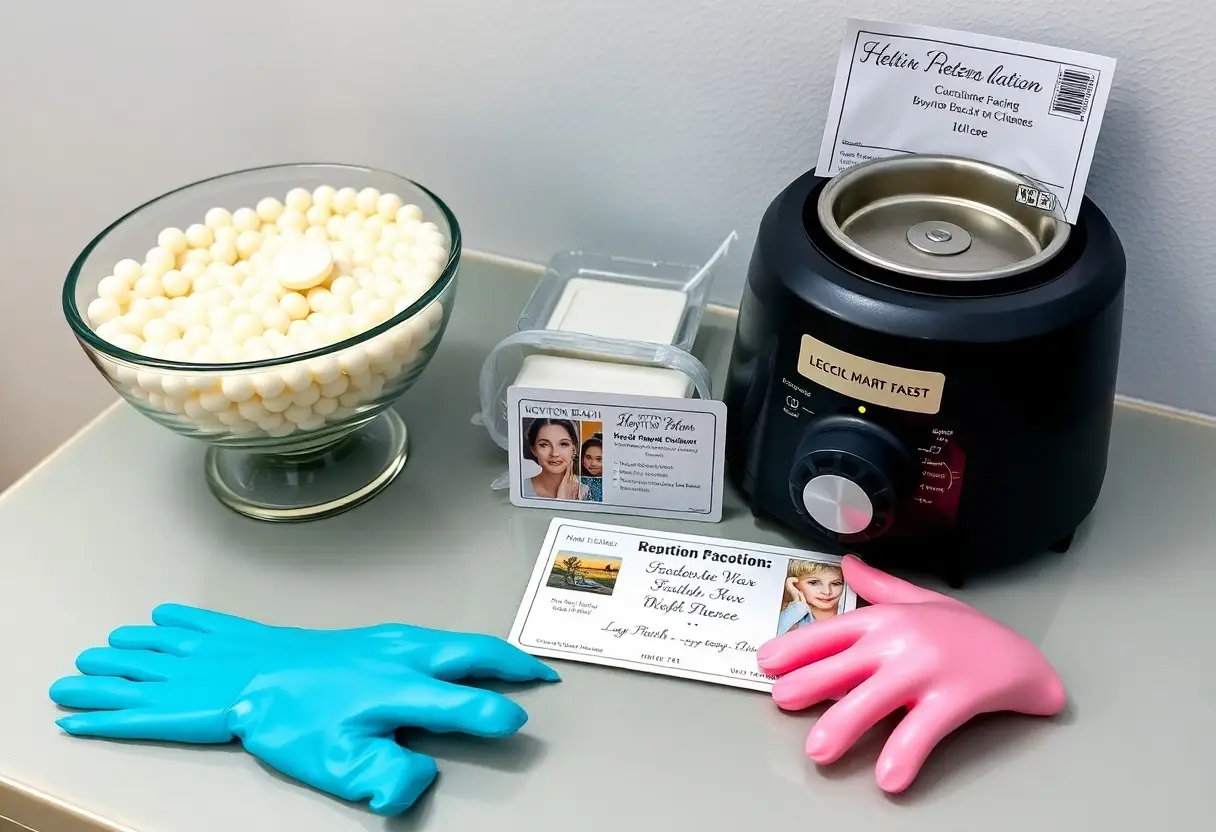
Understanding the Types of Wax Used
Check what type of wax the salon uses – hard wax, soft wax, or sugar paste – because each affects pain, adhesion, and post-care for your sensitive skin.
- Hard wax
- Soft wax
- Sugar paste
- Ingredients
- Patch test
| Wax Type | What it does |
| Hard wax | Clings to hair not skin; less irritation for sensitive areas. |
| Soft wax | Used with strips on larger areas; can cause more redness and tugging. |
| Sugar paste | Water-soluble and natural; gentler and easier to clean. |
| Hypoallergenic formulas | Lower burn risk; ask for full ingredient list. |
Hard wax versus soft wax applications
Compare hard wax for coarse hair and reduced skin tugging with soft wax for larger areas; you should ask which suits your hair density and pain tolerance.
Ingredient transparency for sensitive skin
Ask the salon for a full ingredient list and check for common irritants like fragrances, parabens, or strong resins before you book.
The salon should provide patch tests, disclose every ingredient, and offer low‑temp or hypoallergenic options so you can avoid burns, allergic reactions, or prolonged redness.
Pre-Appointment Preparation Requirements
Check that you follow any salon instructions, such as no tanning, avoiding retinoids for at least seven days, and no recent chemical peels; do not book if you have sunburn, open wounds, or active skin infections.
Ideal hair length for effective removal
Aim for hair about a quarter inch (6 mm) long so the wax can grip; if shorter, wax may miss hairs, and if much longer your technician should trim before service.
Skin preparation and exfoliation guidelines
Prep by gently exfoliating 48-72 hours before to remove dead skin and reduce ingrown hairs; avoid harsh scrubs and do not exfoliate within 24 hours of your appointment.
Avoid using retinoids or strong acids for at least seven days because they increase sensitivity; you should moisturize nightly but skip heavy oils the day of, and shower before the appointment to remove creams and sweat.
Analyzing Post-Treatment Care and Support
Check that you receive clear aftercare instructions, immediate contact options for reactions, and product recommendations; ask how they handle severe redness or suspected infection. Verify whether you get follow-up care or refunds if treatment causes complications.
Immediate aftercare to minimize irritation
Apply cool compresses, avoid hot showers and sun exposure, and skip heavy lotions or fragrances for 24-48 hours; gently cleanse and use a thin layer of recommended soothing gel. Seek help if you notice a spreading rash, intense pain, or fever.
Long-term prevention of ingrown hairs
Exfoliate gently two to three times weekly with a chemical or soft physical scrub, moisturize daily, and rotate waxing schedules to allow your hair to grow at the proper angle. Never pick at bumps; if you do, you risk infection and scarring.
Schedule periodic visits with a trained esthetician so you and your technician can monitor regrowth patterns; use leave-on products with salicylic or glycolic acid to reduce follicle blockage, or ask about prescription retinoids and laser hair reduction for lasting results. Avoid over-exfoliating and tight clothing that increase irritation and the risk of painful ingrown cysts.
Pricing Transparency and Local Reputation
Check that prices are clear and reviews back up claims; verify hidden fees are disclosed and that staff are licensed and insured so you avoid safety or billing surprises.
Understanding Boynton Beach market rates
Compare rates across local salons so you know the average Boynton Beach price and can spot overcharges before booking. Factor in service type, add-ons, and gratuity when you compare.
Reviewing client testimonials and portfolios
Scan recent testimonials and before-and-after photos to confirm consistent quality; watch for sanitation complaints or repeated service errors and for consistent praise about results.
Examine review dates, varied skin types, and unedited photos so you can judge current skill levels; check for mentions of hygiene lapses, allergic reactions, or rushed appointments as red flags, and for detailed praise about comfort, precision, and lasting smoothness as positives. Contact the salon to ask follow-up questions or request references when you need direct verification.
To wrap up
Presently you should ask about technician experience, sanitation protocols, product ingredients, pain management options, pricing transparency, and aftercare instructions so you can choose a Boynton Beach salon that matches your needs and minimizes risk.