
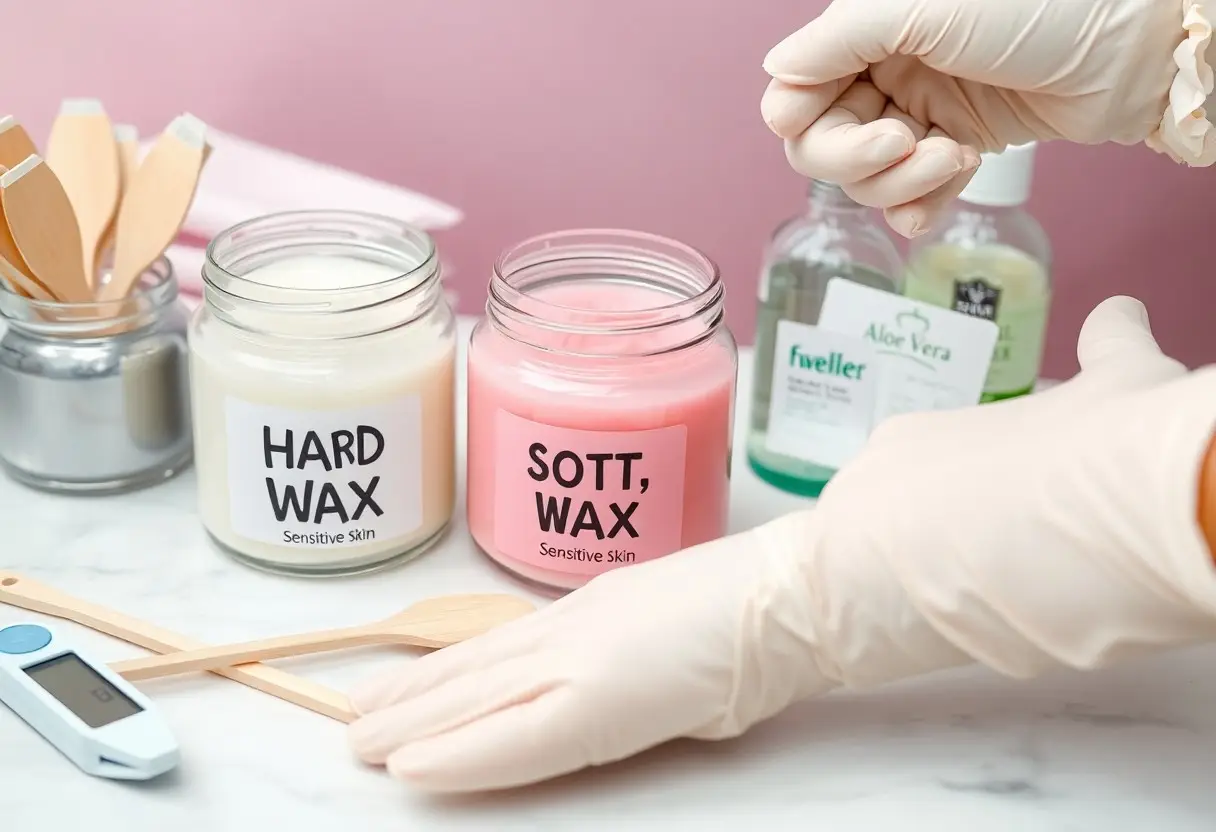
Hardwax adheres only to hair, not skin, making it ideal for sensitive areas and reducing irritation. Soft wax removes surface skin cells along with hair, which can cause redness or ingrown hairs in delicate zones. If you have sensitive skin, hard wax is often the safer, less painful choice with fewer side effects.
The Gentle Manners of Hard Wax
You experience less irritation with hard wax because it adheres primarily to hair, not skin. This makes it ideal for sensitive areas like the bikini line or underarms. Unlike soft wax, it doesn’t require fabric strips, reducing tugging and redness. Hard wax cools and hardens before removal, allowing for a more controlled, precise process that protects delicate skin.
The Bold Efficiency of Soft Wax
You’ll find soft wax works quickly on shorter, finer hair near the surface. It’s applied warm and removed with cloth strips, making it ideal for larger areas like arms or legs. Soft wax is less adherent to skin, which means less irritation for most clients. While it may not grab the shortest hairs as effectively as hard wax, its speed and efficiency make it a go-to for full-body services.
The Temperament of Sensitive Skin
You react more intensely to waxing because your skin’s barrier responds quickly to irritation. Redness, bumps, or prolonged discomfort after treatment aren’t normal-they signal incompatibility with certain waxes. Hard wax is often safer and less traumatic than soft wax, as it adheres only to hair, not skin. Avoid products with alcohol or fragrance pre- and post-wax to prevent excessive inflammation. Always communicate changes in your skin’s behavior to your technician.
Essential Preludes to Beauty
You must cleanse your skin thoroughly before any waxing session. Skipping this step risks infection and reduces wax adherence, leading to uneven results. Always perform a patch test 24 hours prior, especially if you have sensitive skin. Ignoring this precaution can trigger redness, swelling, or allergic reactions. Let your technician know about skincare products you’re using-some increase skin sensitivity. Preparation isn’t optional; it’s the foundation of a safe, effective treatment.
The Graceful Recovery
Healing begins the moment wax lifts away hair and dead skin. Your body responds naturally, but how you care for skin post-wax determines comfort and results. Redness is normal, but avoid heat, sweat, and harsh products for 24 hours. Let skin breathe-tight clothing increases irritation. Moisturizing with aloe or chamomile soothes inflammation and supports calm, smooth regeneration. Trust the process; your skin knows how to recover beautifully.
Conclusion
On the whole, you need to understand how hard wax, soft wax, and your skin sensitivity interact. Hard wax suits delicate areas and finer hair, while soft wax works well on larger zones with coarser growth. Your skin’s reaction depends on ingredients and technique, so always communicate with your esthetician and patch test when unsure.
FAQ
Q: What’s the main difference between hard wax and soft wax for hair removal?
A: Hard wax and soft wax differ in texture, application method, and how they remove hair. Hard wax is applied thickly and allowed to cool and harden before being pulled off without cloth strips. It wraps around the hair shaft and removes hair from the root, making it ideal for coarse or thick hair on areas like the bikini line or underarms. Soft wax is spread thinly and removed with cloth or paper strips. It adheres to both hair and skin, so it’s better suited for larger, less sensitive areas like legs or arms. Because hard wax sticks mostly to hair and not skin, it’s often less painful and better for delicate areas.
Q: Can people with sensitive skin use waxing, and which type is safer?
A: People with sensitive skin can wax, but choosing the right wax and aftercare matters. Hard wax is generally safer for sensitive skin because it adheres primarily to hair and not the top layer of skin, reducing irritation and redness. Soft wax can sometimes lift dead skin cells along with hair, increasing discomfort and the risk of inflammation. Patch testing before a full treatment helps identify reactions. Using hypoallergenic pre- and post-wax products, avoiding heat exposure, and skipping exfoliation for 48 hours after waxing also help protect sensitive skin.
Q: How should clients prepare their skin before a waxing session to avoid irritation?
A: Clients should cleanse the skin before waxing to remove oils, lotions, or sweat that could interfere with wax adherence. The skin should be dry and free of deodorants or perfumes, especially in underarm or bikini areas. Exfoliating 24 to 48 hours before waxing helps prevent ingrown hairs by clearing dead skin cells, but doing it too close to the appointment can make skin more reactive. Hair should be at least ¼ inch long-about the size of a grain of rice-for effective removal. Wearing loose, breathable clothing after the session reduces friction and irritation on freshly waxed skin.