
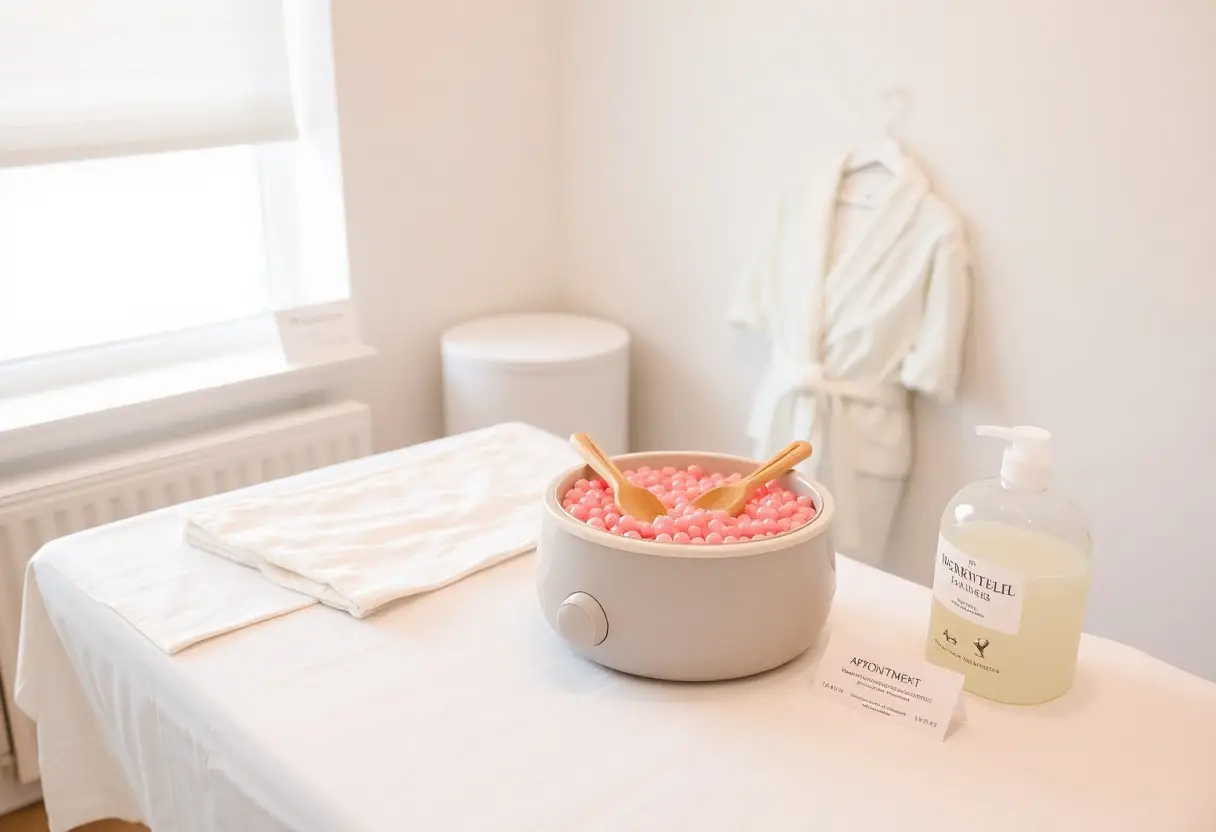
Many first-time clients underestimate how much hair length matters-you need at least a quarter inch for effective waxing. Arriving with clean skin and realistic expectations ensures a smoother experience. Never apply lotion before your appointment, and communicate any sensitivities to avoid irritation.
The Lengthy Requirement of Elegance
Elegance demands preparation, and waxing is no exception. Your hair must reach a minimum length to ensure effective removal. Showing up unprepared disrupts the rhythm of the ritual and diminishes the results you’ve come to achieve.
One must arrive with hair at least the length of a grain of rice. To offer the specialist anything less is a grave discourtesy to the craft and a waste of a perfectly good afternoon.
You must arrive with hair at least the length of a grain of rice. Anything shorter gives the wax nothing to grip, making removal impossible. Coming unprepared doesn’t just delay your results-it disrespects the precision of the process.
The razor is a crude instrument of the impatient. One must abandon it for three weeks prior to the visit, for patience is the primary ingredient of a smooth existence.
Razor use disrupts the natural growth cycle, leaving stubble that’s hard to remove. Stop shaving at least three weeks before your appointment so hair reaches the ideal length. Patience ensures a cleaner result and less discomfort.
Waxing works best when hair has grown naturally from the root, not chopped at the surface. When you shave, you cut hair unevenly, which leads to irregular regrowth and ingrown hairs. By avoiding the razor, you allow each strand to develop fully, giving your specialist the best chance for a smooth, long-lasting finish. This waiting period isn’t arbitrary-it’s the foundation of lasting elegance.
The Ritual of Skin Refinement
Proper preparation transforms waxing from a chore into a smooth, effective ritual. Your skin responds best when treated with intention and care in the days leading up to your appointment. Clean, exfoliated skin allows wax to grip hair directly, reducing tugging and minimizing ingrown risks.
Exfoliate your skin two days before the event. It is a small labor that ensures the hair is not trapped beneath a layer of mundane debris, allowing for a swifter departure.
Exfoliation clears dead cells that can trap hairs beneath the surface. Doing this two days prior prevents irritation while ensuring optimal results. Skipping this step may lead to incomplete removal or painful, broken hairs.
Arrive with skin as clean as a fresh conscience. Heavy lotions and oils only serve to hinder the wax’s noble pursuit of the unwanted follicle.
Clean skin gives wax the best chance to adhere to hair, not residue. Lotions and oils create a barrier that weakens wax grip, increasing discomfort and reducing effectiveness. Show up bare, dry, and free of product for maximum precision.
Your skin’s surface must be free of any greasy interference-this isn’t just preference, it’s science. Wax bonds to hair through direct contact, and even a light moisturizer can compromise adhesion, leading to missed hairs or repeated pulls. For your comfort and the best outcome, keep your skin bare in the 24 hours before your session.
Tempering the Physical Sensation
You can influence how your body responds to waxing by managing your routine on appointment day. Caffeine heightens nerve sensitivity, turning small discomforts into sharper sensations. Skip the morning coffee or tea to keep your system calm and reactions minimal during treatment.
Avoid the stimulation of caffeine on the day of your appointment. It makes the nerves dance with an agitation that is entirely unnecessary for the task at hand.
Caffeine increases blood flow and nerve reactivity, making your skin more sensitive. Even a single cup can amplify discomfort during waxing. For a smoother experience, choose a caffeine-free day and notice how much more composed your body remains.
If the prospect of pain alarms your sensibilities, a simple analgesic may be taken beforehand. There is no merit in suffering when science provides such a polite alternative.
Discomfort shouldn’t deter you from a confident result. Taking an over-the-counter pain reliever like ibuprofen 30 minutes prior can reduce inflammation and dull sensitivity. This small step makes the process far more tolerable without compromising effectiveness.
Choosing to take an analgesic isn’t a sign of weakness-it’s a strategic choice for comfort. These medications work by inhibiting prostaglandins, the compounds that heighten pain perception. You’ll still feel the wax, but not the sharp edge-allowing you to stay relaxed and in control throughout the session.
The Etiquette of Post-Treatment Care
How you treat your skin after waxing defines the outcome as much as the service itself. Your specialist expects you to honor the process by avoiding behaviors that provoke irritation. Redness and inflammation are preventable-not inevitable-when you follow simple, science-backed steps in the hours after your session.
Shunning the sun and the steam room is necessary for the first twenty-four hours. Heat is a vulgar intrusion upon skin that requires quiet, cool contemplation.
Heat from sunlight, saunas, or hot showers opens pores and increases blood flow, making freshly waxed skin vulnerable. You risk infection, discomfort, and prolonged redness if you expose the area too soon. Keep your distance from anything that raises your body temperature-your skin needs calm, not chaos.
Apply a cooling serum to soothe the area with regularity. To neglect aftercare is to invite a redness that even the most charming personality cannot successfully distract from.
A cooling serum with aloe or chamomile calms inflammation and supports healing. You’ll see faster recovery and smoother results when you apply it consistently. Skipping this step invites irritation that no amount of confidence can mask-your skin deserves better than neglect.
Consistency in aftercare transforms discomfort into comfort. Your skin is in a delicate state post-wax, and regular application of a gentle, alcohol-free serum creates a protective barrier. Preventing ingrown hairs and inflammation starts now, not tomorrow. Treat your skin with daily attention, and you’ll enjoy soft, bump-free results that reflect your commitment.
Conclusion
The wax specialist expects you to arrive with at least ¼ inch of hair growth for effective removal. You should avoid caffeine before your visit to reduce skin sensitivity and disclose any skin conditions or medications that may affect your treatment. Following aftercare instructions closely ensures smoother results and minimizes irritation.
FAQ
Q: What should I do to prepare my skin before my first wax appointment?
A: Let your hair grow out for at least two to three weeks before your visit. Wax needs about a quarter of an inch of hair to grip properly, so shaving too recently will make the treatment ineffective. Avoid using heavy lotions or oils on the area the day before, as clean, dry skin helps the wax adhere better. Skip exfoliating 24 hours before your appointment to prevent irritation, but gentle exfoliation a few days prior can help reduce ingrown hairs later.
Q: Will waxing hurt more if it’s my first time?
A: Pain levels vary from person to person, but first-time waxing can feel more intense simply because your skin isn’t used to the sensation. The good news is that discomfort usually decreases with regular treatments. Let your wax specialist know it’s your first time-they can adjust their technique, take breaks if needed, and offer tips to help you relax. Breathing deeply and staying still during the process can also make it more comfortable.
Q: Can I get waxed during my period or if I have sensitive skin?
A: Yes, but with a few considerations. If you’re on your period, wear a fresh tampon and know that your skin might be more sensitive due to hormonal changes, which could increase discomfort. For sensitive skin, avoid applying fragranced products or deodorants before your appointment. Let your specialist know about any skin conditions, recent sun exposure, or medications you’re on, like retinoids or acne treatments, as these can make skin more prone to irritation or tearing during waxing.