
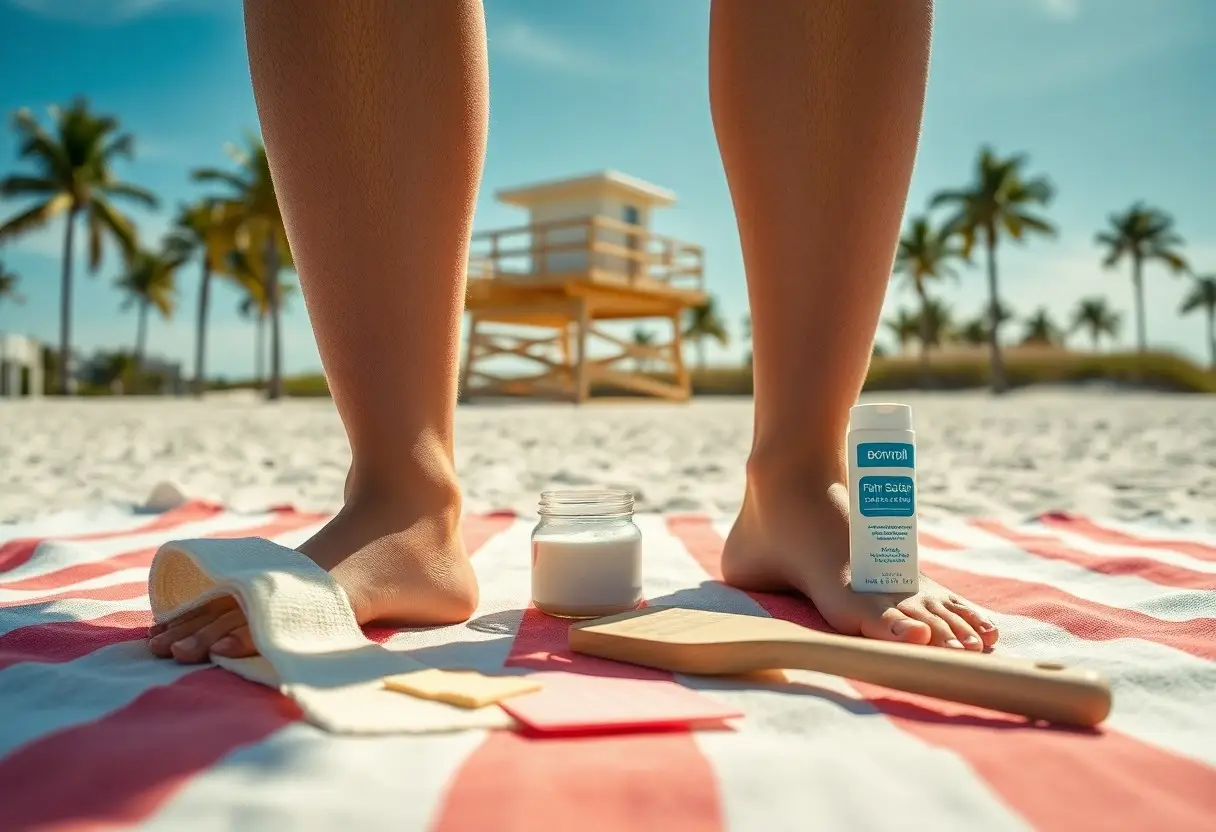
Skin benefits from gentle exfoliation and a wax at least 48 hours before beach days; you should avoid direct sun to prevent burns and irritation, choose a skilled esthetician for long-lasting smoothness, and follow aftercare to maintain results.
Key Takeaways:
- Schedule waxing 48-72 hours before beach plans to allow redness to subside and avoid sun exposure immediately after.
- Exfoliate gently 48 hours before waxing and moisturize after with fragrance-free lotion plus daily SPF to keep skin smooth and protected.
- Pick a licensed Boynton Beach salon with trained estheticians and quality wax; request a patch test for sensitive or allergy-prone skin.
Essential Pre-Wax Preparation
Before your appointment, you should trim to a quarter-inch, avoid sun and waxing on irritated or sunburned skin, and exfoliate 48 hours prior to promote smoother, longer-lasting results while reducing risk of severe irritation.
Exfoliation Techniques for Optimal Hair Removal
Gently exfoliate two to three times a week with a mild scrub or chemical exfoliant so you remove dead skin and reduce ingrown hairs, but avoid scrubbing the day before to prevent inflamed skin and better wax adherence.
Skin Hydration and Moisture Balancing
Hydrate daily with a light, non-comedogenic moisturizer so you keep hair pliable and reduce post-wax dryness; avoid heavy oils before waxing to prevent poor wax grip and uneven removal.
Apply moisture-rich products with hyaluronic acid or ceramides after the first 24 hours to restore the barrier, avoid fragranced lotions that cause irritation, and use SPF if you’ll be in the sun to reduce post-wax hyperpigmentation.
Strategic Timing for Your Boynton Beach Getaway
Plan your waxing at least a week before beach days so skin calms and any irritation fades; avoid direct sun for 48-72 hours after treatment to reduce risk of sunburn and hyperpigmentation.
The Ideal Window Before Sun Exposure
Schedule your wax 48-72 hours before major sun exposure whenever possible so redness subsides and you lower chances of burning or discoloration.
Synchronizing Appointments with Hair Growth Cycles
Time your appointments to align with your hair growth cycles so you remove hairs during active follicle phases and enjoy longer smoothness between visits.
Match typical cycles-anagen (growth), catagen (transition), telogen (rest)-to planning: many body areas respond best to waxing every 4-6 weeks while facial zones may need 3-4 weeks. You should avoid waxing too early to prevent shorter results and watch for ingrown hairs; gentle exfoliation and consistent timing improve outcomes.
Selecting the Right Waxing Method for Your Skin Type
Your skin type and hair coarseness determine whether hard or strip wax suits you; if you have sensitive skin, choose hard wax to reduce irritation, while thicker hair and large areas benefit from strip wax for speed.
Benefits of Hard Wax for Sensitive Areas
Hard wax warms and grips hair without sticking to skin, so you feel less irritation and lower risk of redness; you can protect delicate zones and get cleaner, longer-lasting results.
Strip Wax Efficiency for Larger Body Surfaces
Strip wax covers more area per pass, making full-leg and back sessions quicker; expect faster appointments, but accept slightly more tug and potential temporary redness on coarse hair.
For large sessions, strip wax speeds things up and reduces cost per area; you’ll benefit from shorter appointments but must ensure hair is at least a quarter-inch and skin is clean. Use steady pressure, remove strips parallel to skin, and treat post-wax with cooling gel to limit temporary redness and ingrown hairs.
Post-Wax Aftercare and Skin Preservation
Post-wax care keeps your skin vacation-ready: apply cool compresses, cleanse gently, and use a fragrance-free moisturizer; avoid tight clothing and touching treated areas to reduce ingrown hairs and infection.
Soothing Topicals to Eliminate Redness and Irritation
You can dab pure aloe vera or a 1% hydrocortisone cream sparingly to calm redness; select fragrance-free, non-comedogenic formulas and patch-test to prevent additional irritation.
Avoiding Environmental Irritants in the First 48 Hours
Keep your skin out of direct sun, hot tubs, pools, and heavy sweating for 48 hours to lower risk of infection and prolonged irritation.
Protect your skin by wearing loose, breathable fabrics, avoiding hot showers and vigorous exercise, and skipping pools or ocean swims; exposure to sun or contaminated water increases infection and hyperpigmentation risk.
Navigating Local Conditions: Sun and Saltwater
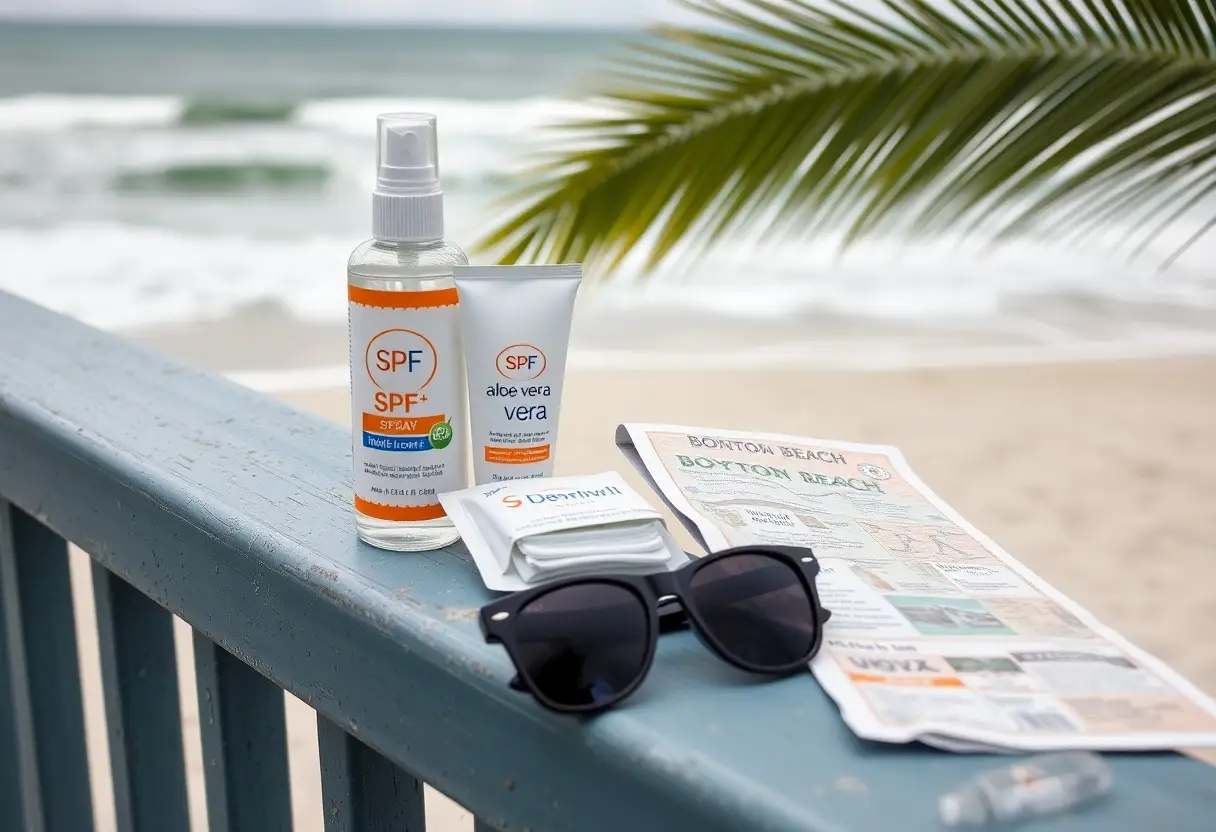
Boynton’s sun and saltwater can aggravate newly waxed skin, so avoid direct sun and swimming for at least 24-48 hours. If you must go out, rinse saltwater off quickly, keep skin cool, and use shade. Sunburn and infection risk rises without care.
Critical UV Protection for Newly Waxed Skin
Always apply a broad-spectrum mineral sunscreen of SPF 30+ once the area has cooled, since chemical sunscreens may sting. Reapply every two hours, wear UPF clothing and a hat, and avoid peak sun to prevent prolonged irritation and pigmentation.
Managing the Effects of Humidity and Perspiration
Perspiration can trap bacteria and cause folliculitis or breakouts on freshly waxed skin, so keep areas dry and air-exposed when possible. Choose breathable fabrics, blot sweat gently, and skip intense workouts for 24 hours.
Aftercare should include cool showers, a gentle fragrance-free cleanser, and patting skin dry; skip exfoliation for 48 hours and apply a light, non-comedogenic moisturizer or aloe to soothe. Avoid hot tubs and tight swimwear; if redness or pus appears, contact your waxing professional or a dermatologist to prevent infection.
Professional Strategies to Prevent Ingrown Hairs
You can prevent ingrown hairs by scheduling professional waxes, requesting correct hair removal direction, and maintaining post-wax care; avoid picking and exfoliate gently. See Get Ready for the Holidays: Waxing Tips for Vacation-Ready Skin for details.
Targeted Serum Application and Chemical Exfoliants
Apply lightweight serums with salicylic or glycolic acid to exfoliate and clear pores; use low concentrations, patch-test, and avoid overuse to prevent irritation. Follow professional guidance for timing after waxing.
Proper Clothing Choices for Post-Treatment Recovery
Choose loose, breathable fabrics after waxing to reduce friction and sweat; avoid tight synthetics and nylon that trap moisture. Change damp clothing promptly and opt for cotton or linen to support healing.
When opting for post-wax outfits, pick soft, natural fibers, roomy cuts, and tag-free underwear to minimize rubbing; avoid tight waistbands, synthetic leggings, and fresh tanning for 24-48 hours. If you notice persistent redness or bumps, contact your esthetician-untreated irritation can lead to infection, while proper clothing promotes faster healing.
To wrap up
Summing up, you ensure smooth, sun-ready skin in Boynton Beach by scheduling a professional wax one week before travel, exfoliating gently, avoiding sun and heat immediately after, and using fragrance-free moisturizers to prolong results.