
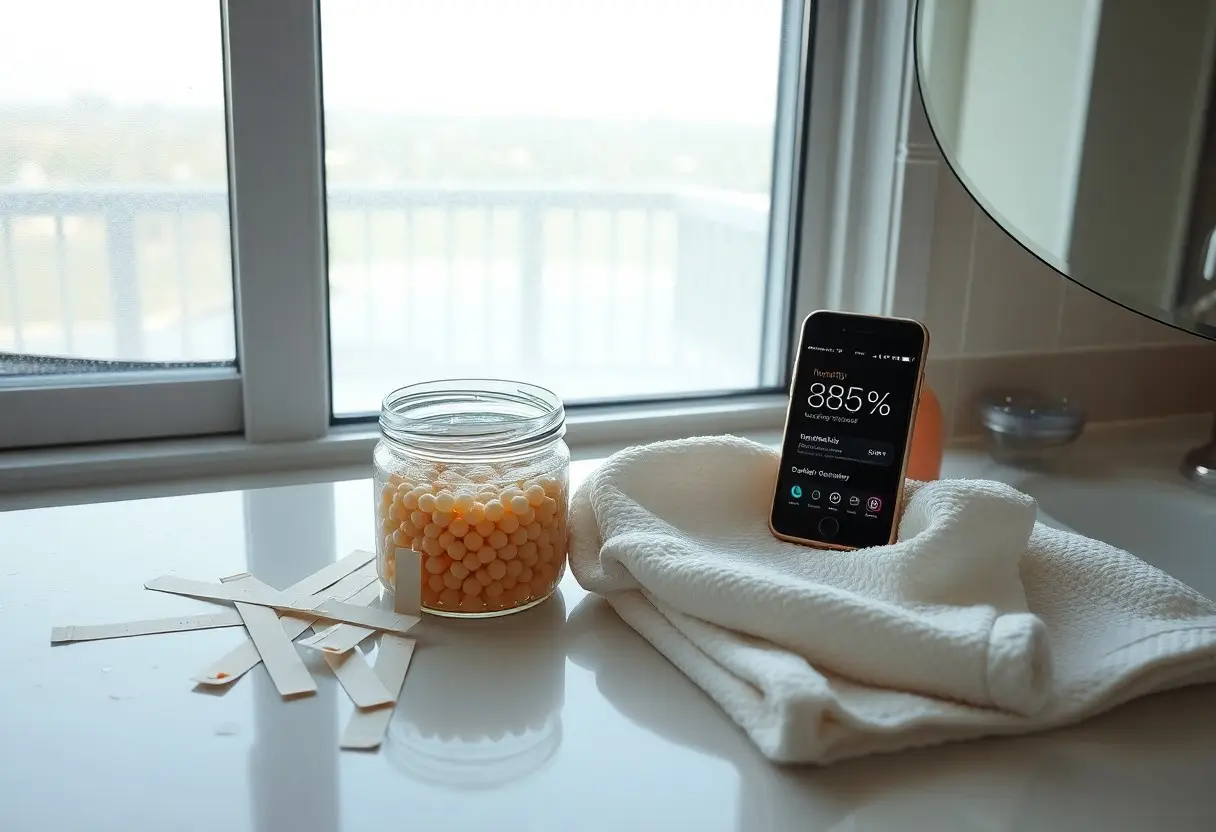
You must adapt your waxing routine to Boynton Beach humidity because excess moisture and sweat can make wax slip and increase irritation and infection risk. Pre-wax cleansing, light powdering, and cooling antiseptic aftercare preserve results and comfort.
Key Takeaways:
- High humidity increases skin moisture and oil, weakening wax adhesion and causing more hair breakage, missed hairs, and higher irritation risk.
- Schedule waxing in the morning or on drier days and avoid appointments immediately after sweating, swimming, or hot outdoor activity.
- Prep by exfoliating and patting skin fully dry, dusting with talc or powder before waxing; follow with cool compresses, oil-free soothing lotion, and loose clothing to minimize irritation and infection risk.
The Impact of High Humidity on Skin Physiology
Heat and high humidity make your skin more swollen and greasy, increasing the chance of pore blockage and post-waxing irritation, so plan waxes when humidity is lower.
Pore dilation and increased sensitivity
Pores expand in humid conditions, making you more likely to feel sensitivity during waxing and to suffer breakouts afterward.
Moisture retention and its effect on hair follicles
Moisture trapped on skin softens hair shafts, which can reduce wax grip and increase the odds of incomplete hair removal and ingrown hairs.
Prolonged exposure to humid Boynton Beach weather causes skin to retain surface moisture and sweat, which softens follicles and hair, making wax less effective; you may need longer hair growth before waxing, thorough drying before treatment, and post-wax cooling to reduce inflammation, infection risk, and ingrown hairs.
Challenges of Wax Adhesion in Tropical Climates
Humidity in Boynton Beach challenges wax adhesion: you risk slippage, incomplete removal, and increased irritation when skin stays damp, so you must adjust drying, powdering, and temperature to secure better results.
How surface moisture prevents effective grip
Sweat and ambient moisture create a slick film so wax can’t grip hair properly, increasing torn hairs and skin trauma; you should thoroughly dry, apply powder, and use quick-setting formulas.
Structural integrity of soft vs. hard waxes in heat
Soft wax softens in heat, spreading and losing structure, while hard wax keeps shape but can overheat; you must monitor temperature and pick products with higher melting points to avoid smearing or burns.
Hard wax formulas retain cohesion as they cool, allowing you to pull intact hair with less surface smear, whereas soft wax depends on tack and becomes a thin, gooey layer in persistent heat that breaks hairs. You should select tropical-rated blends, check melt points, and allow cooling time-overheated wax risks burns and under-adhesion causes ingrown hairs.
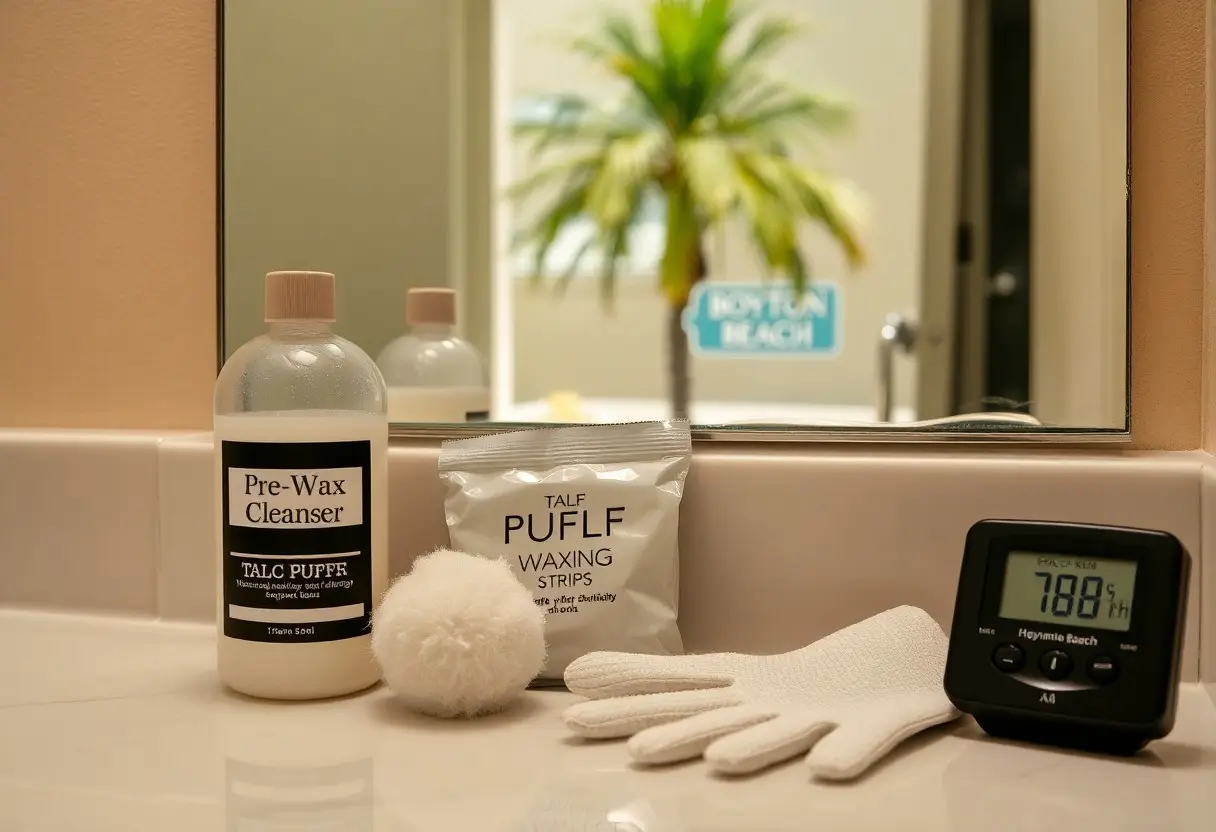
Optimized Pre-Wax Preparation for Boynton Beach Residents
You should prep by cleansing and drying skin thoroughly before waxing in Boynton Beach; high humidity increases sweat and oil, so follow a quick pre-wax routine and read Does Humidity Affect Waxing? for specifics.
Deep cleansing to remove environmental pollutants and sweat
Start with a gentle, pH-balanced cleanser to remove environmental pollutants and sweat, rinsing fully so wax adheres to hair, not residue.
Utilizing moisture-absorbing powders for better results
Apply a light dusting of talc-free, moisture-absorbing powder to dry skin to absorb sweat and improve grip; less slipping means cleaner pulls.
Choose a finely milled, non-comedogenic powder and apply sparingly to avoid clogging pores; test on a small area first, and if you notice excess redness or follicle irritation, stop and consult a professional.
Post-Wax Recovery in a Sub-Tropical Environment
Beachside humidity accelerates sweating and can irritate freshly waxed skin; you should cool, gently dry, and protect treated areas to reduce infection risk and clogged pores.
Managing perspiration to prevent folliculitis
Sweat traps bacteria against hair follicles; you must pat skin dry, wear loose clothing, and skip intense workouts for 24-48 hours to lower folliculitis risk.
Selecting lightweight, breathable soothing gels over heavy oils
Choose lightweight, non-comedogenic gels with aloe or hyaluronic acid so your skin stays hydrated without pore-clogging residue; heavy oils can trap heat and raise infection chances.
Opting for gels with aloe vera, hyaluronic acid, and gentle anti-inflammatory botanicals lets you calm skin without blocking pores; avoid mineral oil, petrolatum, heavy silicones and fragranced formulas that can trap bacteria. Apply a thin layer to cool, dry skin, refrigerate gels for added soothing, and patch-test if you have sensitivity to reduce irritation or infection. Seek professional care if redness or pustules persist beyond 48 hours.
Professional Techniques for Humid Environments
Professional routines adjust timing and products so you avoid wax failure in Boynton Beach’s humidity. You should schedule shorter waits, use microclimate control, and apply thin coats to reduce lift and skin irritation.
Importance of climate-controlled treatment rooms
Climate control maintains stable humidity so you avoid sticky wax and unpredictable set times. You get more reliable results, fewer failed pulls, and a lower chance of skin trauma.
Modified application methods for maximum efficiency
Modify your wax thickness, warm slightly warmer for faster set, and apply with the hair growth angle so you achieve cleaner pulls. You should test a small area and favor thin layers to limit adhesive failure.
Adjust your technique by applying thinner, quicker layers and using a slightly higher heat so wax cures before humidity undermines tack. You should glide the spatula along the hair, press firmly, and remove with a swift, low-angle pull to reduce skin tearing. If hair is long, trim to about 1/4 inch and test each batch on a patch to avoid burns or adhesive issues. Finish with a cool compress and antiseptic to lower infection risk and soothe sensitivity for more reliable results in sticky conditions.
Long-Term Maintenance and Prevention
Maintenance of your waxing routine in Boynton Beach means adjusting timing, minimizing post-wax sweating, and choosing breathable clothing; watch for prolonged redness or infection as signs to pause treatments.
Exfoliation routines tailored for high-humidity areas
Exfoliation with gentle AHA/BHA once or twice weekly helps you prevent ingrown hairs; avoid scrubs for 48-72 hours post-wax and skip aggressive tools if your skin is irritated to reduce infection and sensitivity.
Balancing skin hydration without clogging pores
Hydration should use lightweight, non-comedogenic gels or lotions so you keep skin supple without clogging pores; avoid heavy oils before waxing and patch-test new products to prevent breakouts.
Choose gel-based humectants with hyaluronic acid and light emollients, apply them to damp skin to lock moisture without occlusion, avoid occlusive oils before appointments, switch to water-based formulas if you break out frequently, and seek professional care if you notice pustules or spreading redness that suggest infection.
Conclusion
So you should schedule waxing on cooler mornings, exfoliate gently, pat skin dry, and use lightweight, non-comedogenic aftercare to reduce irritation and ensure longer-lasting results in Boynton Beach’s humid climate.