
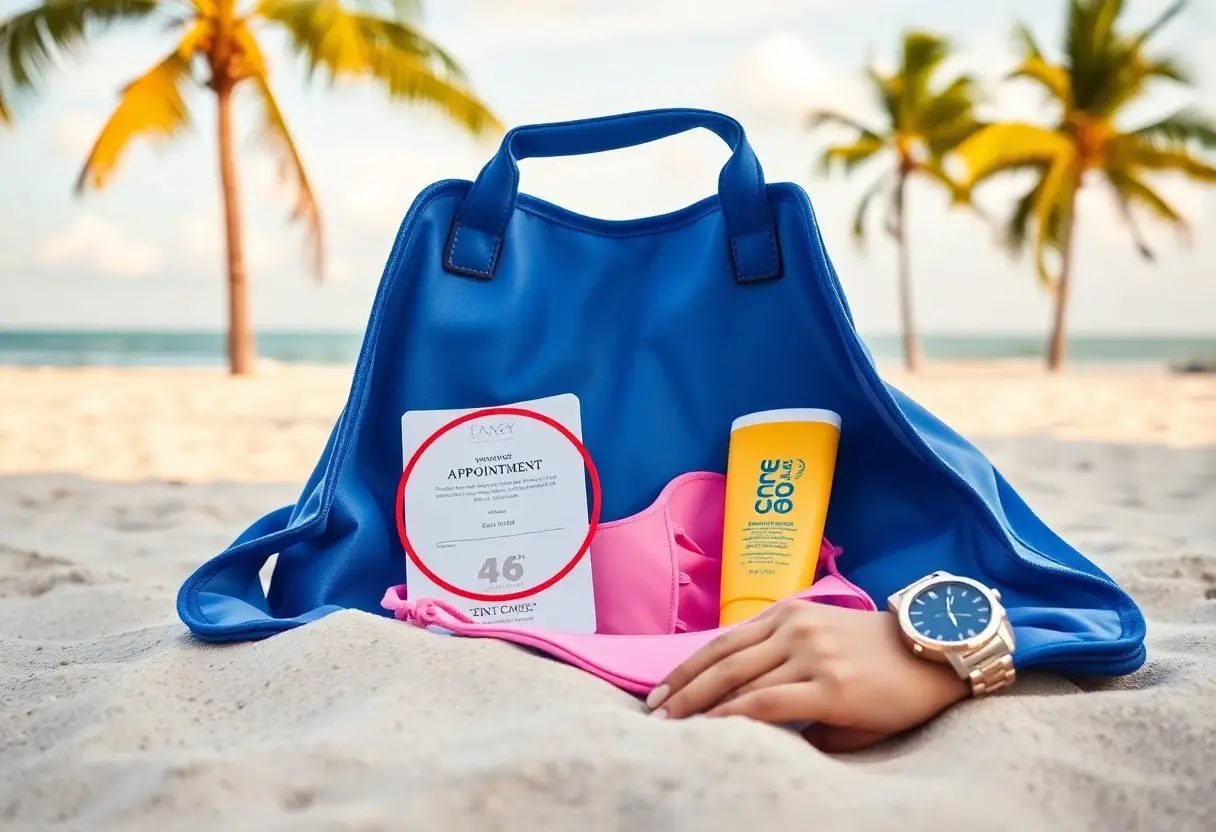
With a wax planned before Boynton Beach, you should wait 48 hours before sun, saltwater, or pools to reduce sun sensitivity and infection risk. You will enjoy smoother, longer-lasting results when timing allows recovery.
Key Takeaways:
- Wax 48-72 hours before your Boynton Beach day so redness and sensitivity subside before sun and water exposure.
- Sun, saltwater, and chlorine increase irritation on freshly waxed skin; avoid direct sun and swimming for at least 24-48 hours and use a broad-spectrum sunscreen or cover-up if you must be outdoors.
- Prep and aftercare matter: exfoliate gently 48-72 hours before waxing, trim hair to about 1/4 inch, moisturize lightly after 24 hours, and wear loose clothing or swimwear to lower irritation and ingrown-hair risk.
The Science of Skin Sensitivity Post-Waxing
Skin is temporarily more permeable after waxing; you may notice redness, bumps, and open follicles. Keep exposure to sun and irritants minimal to prevent hyperpigmentation and infection; wait at least 24-48 hours before beach activities.
Understanding the removal of the epidermal barrier
Waxing strips the superficial epidermis, creating microscopic openings that raise sensitivity and moisture loss; you should use gentle cleansers and avoid exfoliants until the barrier heals.
Why heat and friction aggravate freshly waxed skin
Heat and friction increase blood flow and abrasion, worsening redness, swelling, and risk of infection; you must skip hot tubs, tight swimwear, and vigorous activity immediately after waxing.
Avoid sunbathing, saunas, long swims, and heavy sweating for at least 24-72 hours; cool compresses, loose clothing, and a fragrance‑free moisturizer help soothe irritation, but seek care if you see spreading redness, pus, or fever indicating possible infection.
The 48-Hour Buffer: Why Timing is Critical
Plan to leave a 48-hour buffer after waxing before your Boynton Beach outing so you allow pores to close, reduce irritation, and apply sunscreen safely.
Allowing pores to close to prevent infection
Letting your waxed skin rest for at least 48 hours helps close pores, cutting your chance of bacterial infection and lowering painful irritation at the hair follicles.
Reducing the risk of UV-induced hyperpigmentation
Shielding freshly waxed skin and avoiding the sun for 48 hours lowers your risk of UV-induced hyperpigmentation, especially if you burn easily.
If you expose waxed skin too soon, post-inflammatory hyperpigmentation can occur; wait the full 48 hours, wear UPF clothing, and apply broad-spectrum SPF 30+ liberally. Seek shade, reapply sunscreen every two hours, and skip exfoliants or strong products for several days to minimize darkening and long-term spotting.
Navigating the Boynton Beach Elements
Before your Boynton Beach day, time your waxing to avoid irritation; consult The Ultimate Guide to Vacation-Ready Skin and wait 24-48 hours after waxing before salt or pool exposure. Apply soothing aloe and sunscreen to protect fresh skin.
The impact of salt water and sand on sensitive follicles
Salt water and sand can abrade freshly waxed follicles, increasing your risk of redness, irritation, and infection; wait 24-48 hours and rinse with fresh water after beach time.
Chlorine risks in resort and beachfront pools
Chlorine may strip natural oils and trigger severe stinging and prolonged inflammation on recently waxed skin; delay pool swims 48 hours and rinse thoroughly afterward.
Pools treated with chlorine often contain chemical residues and high pH that worsen follicle irritation. You should avoid hot tubs and long soaks, since warm water opens pores and raises infection risk. Use a cool shower, gentle cleanser, and a light barrier ointment; seek medical care if you notice spreading redness or pus.
Post-Wax Sun Protection Protocols
You should avoid direct sun on freshly waxed skin for 24-48 hours, apply SPF, and use shade to reduce burn, hyperpigmentation, and infection risk.
Selecting non-comedogenic broad-spectrum SPF
Choose a fragrance-free, non-comedogenic broad-spectrum SPF 30+; apply to cooled skin and reapply every two hours or after swimming.
Utilizing physical barriers and protective beachwear
Wear high-UPF swimwear, rash guards, and wide-brim hats so you shield waxed areas; prioritize lightweight fabrics and full coverage during peak sun.
Combine tight-weave garments, a UV umbrella, and timed beach breaks so you limit exposure; if you plan water activities, choose quick-dry coverups and keep direct sunlight off fresh wax.
Managing Side Effects in High Humidity
Humidity amplifies sweat and friction; you should keep waxed skin dry, cool, and shaded to reduce irritation. Apply a cool compress, wear breathable fabrics, and avoid prolonged sun exposure. If you notice excessive redness or oozing, seek care to prevent infection.
Soothing inflammation with specialized topical treatments
Apply a cooling gel with 1% hydrocortisone or aloe vera to reduce swelling; avoid thick creams that trap heat and stop use if pain, spreading redness, or pus appear.
Preventing ingrown hairs in tropical climates
Use a gentle post-wax routine: cleanse with a salicylic acid wash, moisturize with a light, non-comedogenic lotion, and wear loose swimwear; these steps lower ingrown hair and infection risk in humid conditions.
Exfoliate 48 hours after waxing using a soft scrub or a BHA product to free trapped hairs, and avoid picking bumps; if painful nodules or spreading redness occur, consult a professional to prevent abscess or scarring.
Summing up
You should schedule waxing 24-48 hours before a Boynton Beach beach day to minimize irritation and let redness subside; if you prefer longer smoothness, plan a week for regrowth, and protect your skin with sunscreen after sun exposure.