
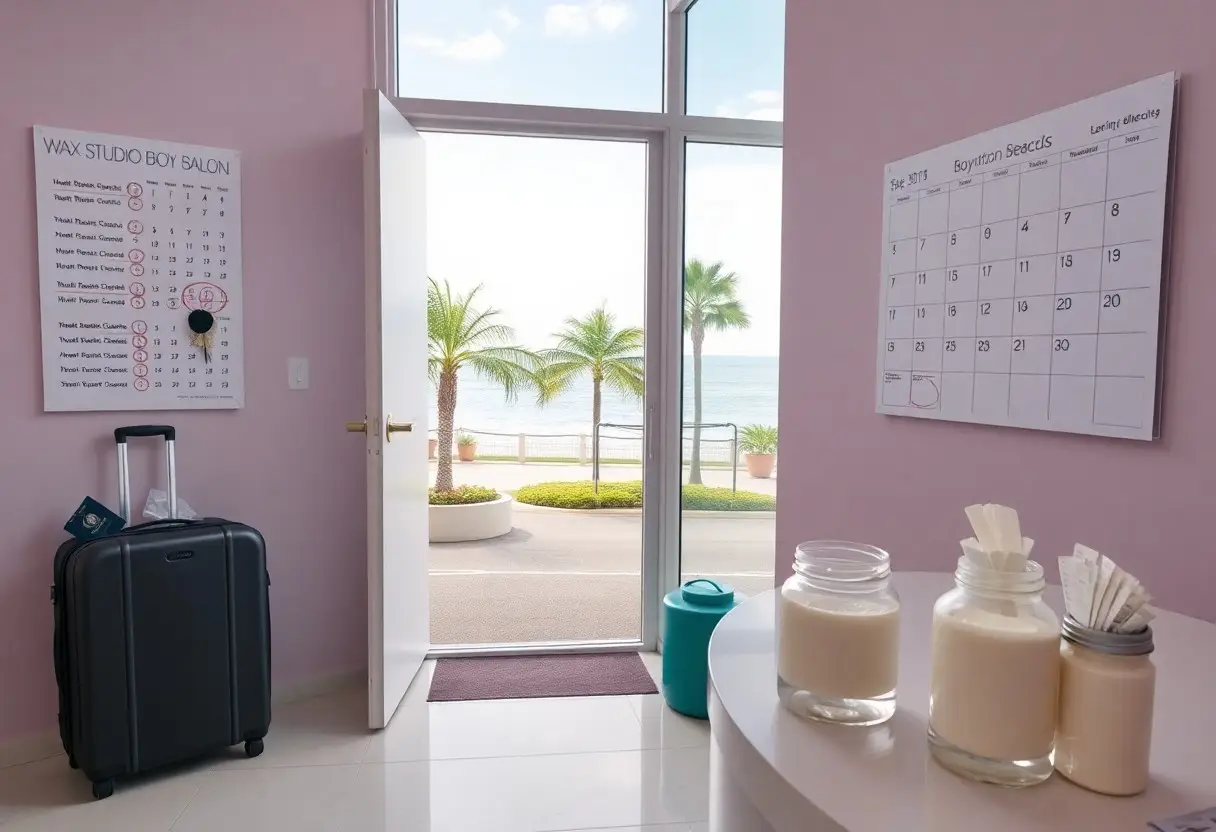
It’s wise you schedule waxing every 4-6 weeks while in Boynton Beach; sun and heat can increase irritation and infection risk, so allow skin recovery between sessions and keep regular visits for smoother, longer-lasting results.
Key Takeaways:
- Typical waxing interval for snowbirds is 3-6 weeks depending on hair growth and the area waxed; facial waxing often needs 3-4-week repeat visits while bikini and body waxing commonly last 4-6 weeks.
- A pre-trip appointment plus follow-ups every 4-6 weeks during an extended stay helps maintain smooth results and consistent timing.
- Salons in Boynton Beach are busiest December-March; reserve appointments early to secure preferred days and times.
Understanding the Impact of Florida’s Climate on Hair Growth
Your exposure to Florida’s heat and humidity accelerates hair cycles, causing faster regrowth and potential post-wax sensitivity; you’ll likely need more frequent waxing while you stay in the state.
How Heat and Humidity Affect the Follicle Cycle
Heat and humidity push follicles into quicker anagen-telogen transitions, so you may see shorter intervals between waxes and denser regrowth that alters your usual scheduling.
Managing Increased Perspiration and Skin Sensitivity
Sweat raises irritation and bacterial risk post-wax, so you should cool, cleanse, and dry skin to reduce breakouts and infections, and plan appointments when you can stay drier afterward.
When you schedule waxes, aim for mornings or cooler days, avoid sauna or hot tubs for 48 hours, wear breathable fabrics, and use fragrance-free soothing gels; these steps lower the chance of folliculitis or infection and keep sensitive skin calmer between visits.
Establishing the Ideal Waxing Schedule for Seasonal Residents
You should aim for a 4-6 week rhythm while in Boynton Beach to keep results consistent; see community chatter at How often should I wax my snowboard? for a range of frequency opinions.
The Standard Four-to-Six Week Maintenance Window
Typically you book touch-ups on a four-to-six week cadence to control regrowth and maintain comfort; shorter gaps work during heavy sun exposure or heightened activity.
Adjusting Frequency Based on Individual Hair Density
If your hair is dense you’ll likely need appointments every three to four weeks, while finer growth can often stretch to six weeks without issue.
When you assess density, watch growth speed, pain tolerance, and skin reaction: rapid regrowth and coarse hair increase ingrown-hair and irritation risk, so opt for more frequent sessions; slow growers benefit from longer intervals and longer-lasting smoothness. Communicate meds, hormonal changes, or recent sunburns to your technician to reduce burn or lifting risks and tailor a safe schedule.
Pre-Treatment Preparation for Boynton Beach Sun Seekers
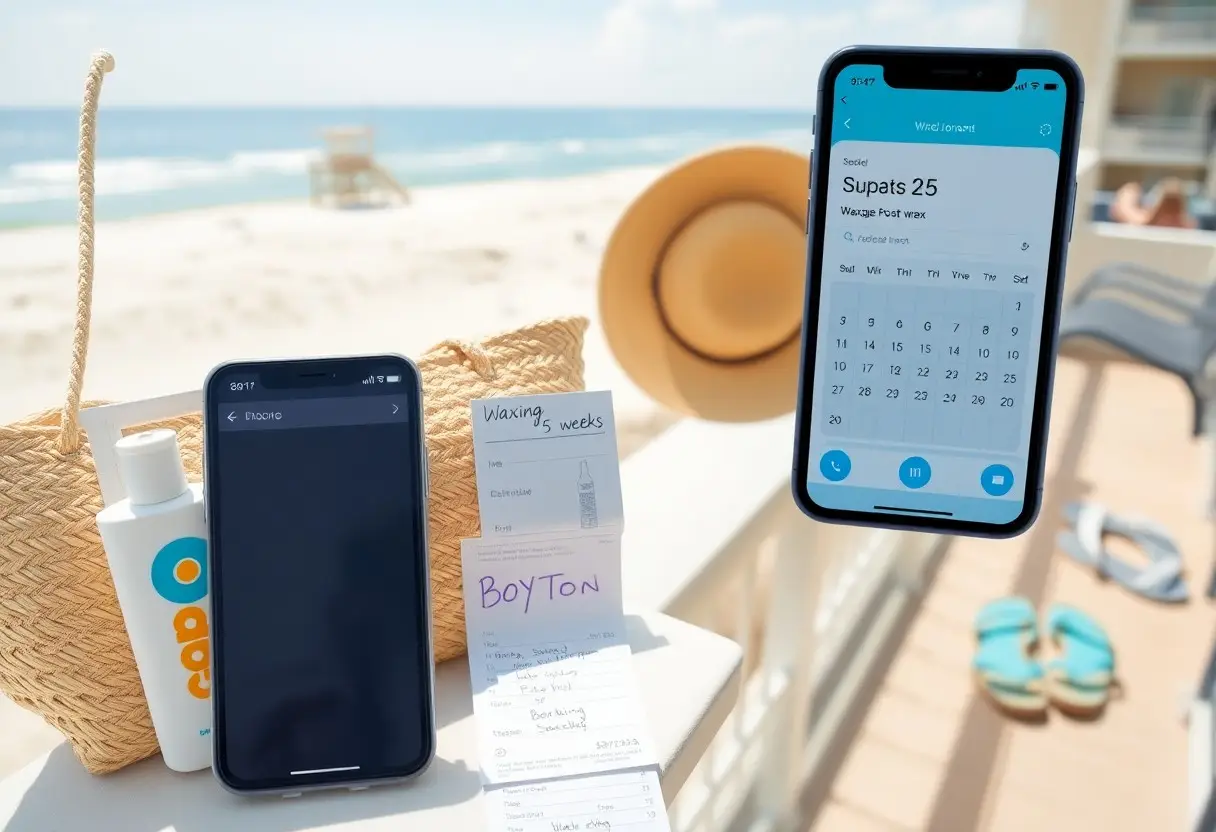
Plan your arrival with clean, dry skin and avoid heavy creams. You must skip recent tanning and any sunburn before waxing, as it raises sensitivity. Schedule delicate areas early in your stay and pack a gentle exfoliating mitt to lower ingrown hair risk.
Essential Exfoliation Protocols for Humid Environments
Exfoliate gently 48-72 hours before waxing using a soft scrub or mild chemical exfoliant suited to your skin. In Boynton Beach humidity, favor lighter, less frequent sessions to prevent irritation and clogged follicles; never exfoliate immediately before your appointment.
Sun Exposure Guidelines Prior to Your Waxing Appointment
Limit sun exposure for at least 48 hours before waxing; any sunburn or fresh tan increases pain and the chance of skin lifting. Apply broad‑spectrum SPF and seek shade while traveling to your appointment.
When planning your trip, avoid intentional tanning for at least one week and tanning beds for two weeks; if you develop a sunburn, wait until it fully heals-often 7-10 days-before waxing. You should also stop topical retinoids and strong acids 48-72 hours pre‑wax and use UPF clothing or high‑SPF sunscreen to protect treated areas.
Post-Wax Care Strategies for Beach and Pool Days
You should wait at least 24 hours before swimming after waxing, keep areas dry and covered, and apply a gentle, fragrance-free moisturizer plus broad-spectrum SPF to reduce irritation and ingrown hairs.
Protecting Sensitized Skin from Saltwater and Chlorine
Avoid exposing freshly waxed skin to saltwater and chlorine for 24-48 hours; if you must enter water, rinse thoroughly with fresh water and apply a soothing, alcohol-free gel to calm sensitivity.
Preventing Hyperpigmentation and Sun Damage Post-Treatment
Protect treated skin from sun for at least two weeks by using SPF 30+ daily, seeking shade, and wearing UPF clothing to lower risk of hyperpigmentation and long-term damage.
Apply daily SPF 30+ and reapply every two hours when outdoors; post-wax inflammation can trigger melanin production, so use antioxidants like vitamin C or niacinamide, avoid exfoliation for 48-72 hours, and cover up-consistent care reduces the chance of persistent hyperpigmentation.
Selecting the Best Waxing Methods for Tropical Weather
Skin reacts to heat and humidity; you should choose waxes that resist melting and minimize irritation. You benefit from low-melt hard wax for delicate areas and gentle pre/post-care to reduce ingrown hairs and infection risk in Boynton Beach’s tropical climate.
Benefits of Hard Wax for Sensitive Seasonal Skin
Hard wax clings to hair so you lose less skin contact; you experience less redness and lower chance of irritation. You’ll find it ideal for sensitive seasonal skin, reducing pull on follicles and decreasing post-waxing inflammation during humid months.
Why Professional Formulations Outperform At-Home Kits
Professional formulations use purer resins and calibrated heat, so you get faster hair removal and fewer burns than with at-home kits. You benefit from tailored blends that reduce allergic reactions and maintain effectiveness in high humidity.
Clinics combine laboratory-tested resins with soothing additives like chamomile and aloe, giving you consistent melting points that resist humidity. Technicians perform patch tests and control application temperature, lowering the risk of burns and infection. You receive professional aftercare to prevent ingrowns and prolonged irritation, which at-home kits rarely match.
Strategic Booking During the Peak Winter Season
Plan to book waxing during Boynton Beach’s peak winter every 4-6 weeks to maintain smooth results; high demand means appointments fill fast, so you should schedule ahead and stay flexible.
Navigating High Demand in Boynton Beach Salons
Expect heavy booking from January to March; you should call or book online at least 3-6 weeks ahead and prefer weekdays or early-morning slots to avoid crowds.
Coordinating Appointments with Your Travel Calendar
Sync your waxing with your travel calendar by scheduling sessions a few days after arrival or a few days before departure; use flexible times to accommodate itinerary changes.
When travel plans shift, you should prioritize salons offering short-notice cancellations and easy online rescheduling; book recurring appointments with a trusted technician to keep consistency.
To wrap up
Considering all points you should book waxing every 4 to 6 weeks while in Boynton Beach, tighten to every 3 to 4 weeks for brows, face, or bikini, and schedule an initial visit within a week of arrival.