
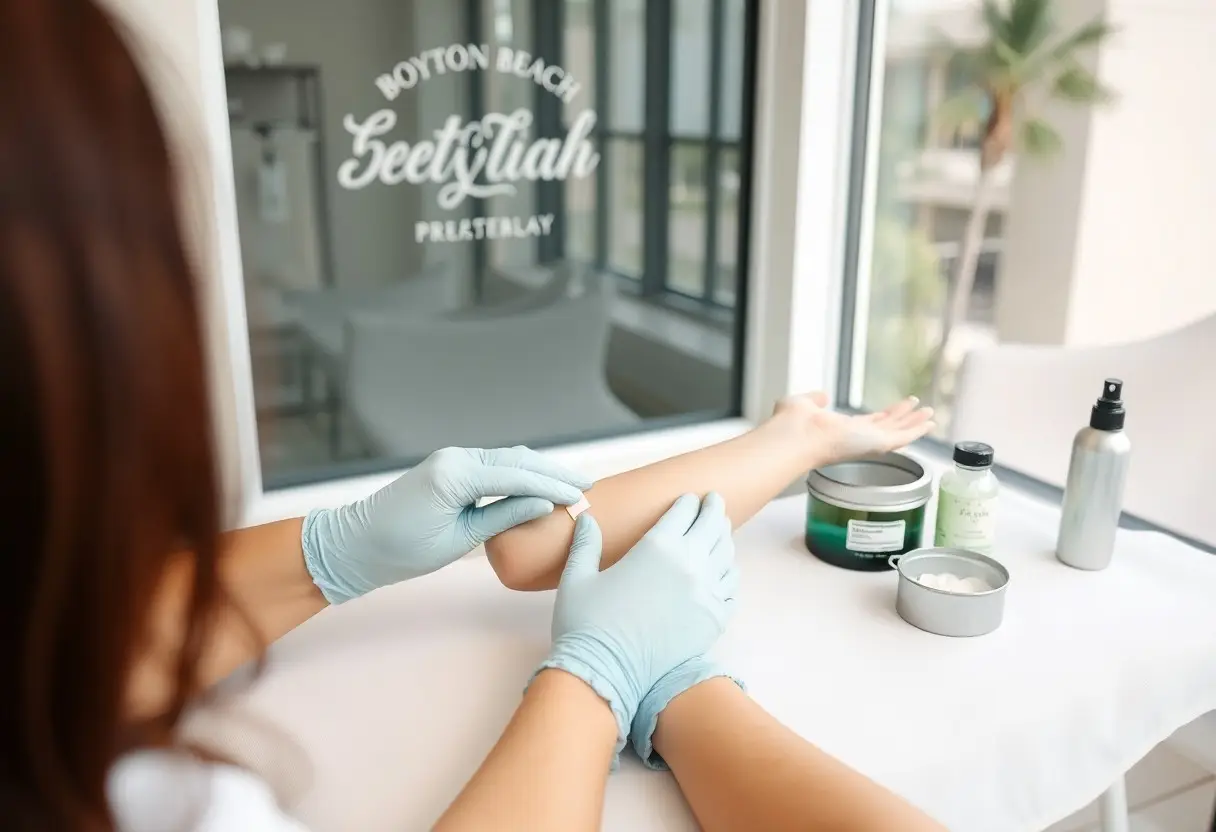
Just schedule a patch test and choose a licensed esthetician so you reduce irritation. You should watch for severe allergic reaction or infection and seek care immediately. You can expect gentle, long-lasting smoothness with proper pre- and post-care.
Key Takeaways:
- Choose a licensed Boynton Beach esthetician who specializes in sensitive skin, offers allergy-safe and fragrance-free waxes, and performs a patch test before full treatment.
- Use hard wax or low-temperature soft wax designed for sensitive skin and follow pre-appointment guidelines: avoid retinoids, recent tanning, and heavy exfoliation.
- Apply cool compresses and fragrance-free soothing products (aloe or calendula) after waxing, and seek the salon or a dermatologist if severe redness, blistering, or prolonged irritation occurs.
Understanding Sensitive Skin and Waxing Reactions
You should know that sensitive skin often responds with redness, stinging, bumps, or blistering after waxing; prolonged swelling or intense pain can signal an allergic reaction or infection, requiring prompt attention.
Identifying Common Triggers and Symptoms
Identify fragrances, exfoliants, heated wax, coarse hair, and skipped pre-care as common triggers; if you experience hives, severe itching, oozing, or prolonged bleeding, seek professional help to reduce infection risk.
Why Professional Application is Essential for Delicate Skin
Trust trained estheticians to control wax temperature, tension, and product choice so you get less tearing, reduced inflammation, and faster recovery.
Ask about patch tests, hypoallergenic waxes, and tailored aftercare; you benefit from sterile tools, precise stripping angles, and cooling protocols that lower infection, scarring, and prolonged irritation while delivering smoother results.
Pre-Waxing Preparation Guidelines
Before your appointment, keep hair at about 1/4 inch, avoid sun or self-tanning for 48 hours, skip heavy creams on waxing day, and arrive with clean, dry skin to minimize irritation and ensure optimal results.
Gentle Exfoliation and Hydration Protocols
Exfoliate gently 48-72 hours before waxing using a soft scrub or washcloth, and apply a light, fragrance-free moisturizer until the day before; hydration reduces ingrown hairs and soothes sensitive skin without increasing wax failure.
Medications and Skincare Products to Avoid
Avoid blood-thinning medications (aspirin, NSAIDs), topical retinoids, recent chemical peels, and strong acids before waxing, since they can cause increased bleeding, tearing, or lifting; always disclose medications and recent treatments to your technician because non-disclosure raises the risk of serious skin injury.
If you use topical retinoids, stop 7-14 days prior; with oral isotretinoin wait at least six months. Blood thinners and recent lasers or peels increase bruising and lifting, so inform your provider. Never wax over sunburned or compromised skin-technicians will reschedule to prevent harm.
The Professional Waxing Process in Boynton Beach
This professional process uses gentle waxes and careful skin assessment so you experience minimal irritation and safe, quicker recovery after each session.
Temperature Control and Application Techniques
You should notice technicians test wax temperature, apply thin layers, and remove with hair growth to lower trauma; request a patch test if your skin is reactive.
Process Breakdown
| Stage | What it means for you |
|---|---|
| Consultation | You report allergies, medications, and skin treatments so the technician can flag contraindications. |
| Wax selection | You receive hypoallergenic or hard wax choices to reduce pulling and irritation. |
| Technique | You benefit from thin application, correct pull direction, and swift removal to minimize trauma. |
Maintaining High Sanitation and Safety Standards
Your technician must use disposable applicators, sterile gloves, fresh wax, and cleaned surfaces to prevent infection or cross-contamination.
Proper sanitation means you receive a full client intake, visible station cleaning between clients, and single-use sticks and liners for every service. You should expect technicians to wear gloves, change tools after each client, and perform a patch test for reactive skin. You must avoid waxing while using topical retinoids or when you have an active sunburn to reduce the risk of severe irritation or burns.
Essential Post-Waxing Aftercare
Aftercare for sensitive skin means you should cool the area with a cold compress, apply a fragrance-free moisturizer, and keep treated zones dry and protected for 48 hours. Use cool water and gentle, alcohol-free products to prevent irritation and reduce redness.
Soothing the Skin with Calming Serums
Apply a calming serum with aloe vera or hyaluronic acid to soothe and hydrate; avoid formulas with alcohol or fragrance. You must pat gently and let anti-inflammatory ingredients absorb to calm redness and stinging.
Critical Activities to Avoid for 48 Hours
Avoid sun exposure, hot baths, saunas, swimming pools, and intense workouts for 48 hours; sweat and heat can cause severe irritation or infection. You should also skip exfoliation, tight clothing, and fragranced products.
During the 48-hour window, heat opens pores and sweat traps bacteria, increasing infection risk; chlorinated or salt water and hot tubs strip protective oils and irritate follicles. You should wear loose cotton clothing, take cool showers, avoid heavy exercise and sexual activity that causes friction, and contact your technician if you notice persistent swelling, pus, or spreading redness-these signs require prompt attention.
Choosing the Right Specialist in Boynton Beach
Local specialists with a clear reputation reduce risks; you should choose a licensed esthetician experienced in sensitive skin, offering patch tests and hypoallergenic products to minimize allergic reactions.
Evaluating Esthetician Certifications and Experience
Check that your esthetician holds a state license, formal training in waxing and contraindications, and documented experience with sensitive skin; request before-and-after photos and client references.
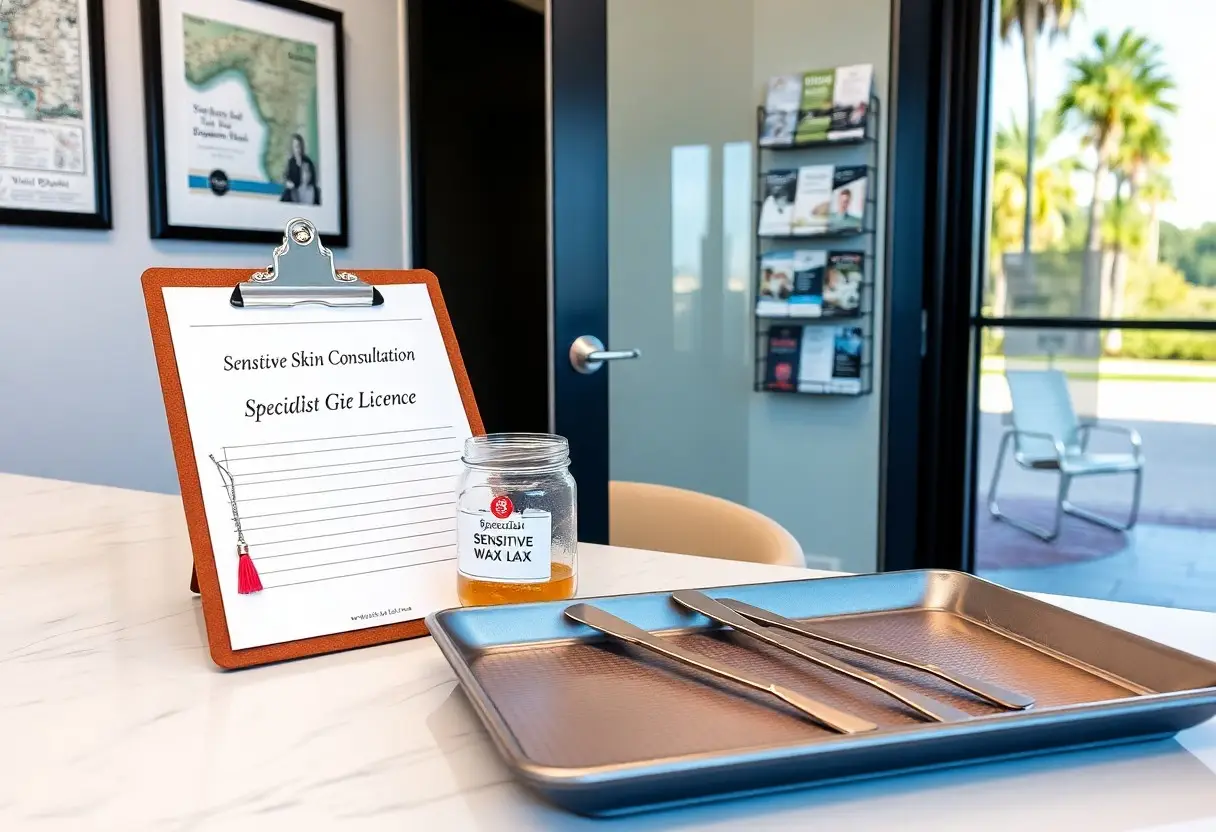
Importance of a Pre-Treatment Skin Consultation
Ask about your medications, recent retinoid use, allergies, sun exposure, and active skin issues; the consultation should include a patch test and guide product selection to prevent severe irritation or infection.
During the consultation you’ll review medical history, current medications (including isotretinoin and blood thinners), recent sunburn or treatments, and skin sensitivities; the esthetician will perform a patch test, recommend appropriate wax and timing, and give tailored aftercare to reduce risk of scarring or infection.
Summing up
As a reminder you should choose an experienced esthetician in Boynton Beach, request a patch test, disclose allergies and medications, follow pre- and post-wax care, use gentle cleansers and calming products, and expect mild temporary redness that subsides within a day or two.