
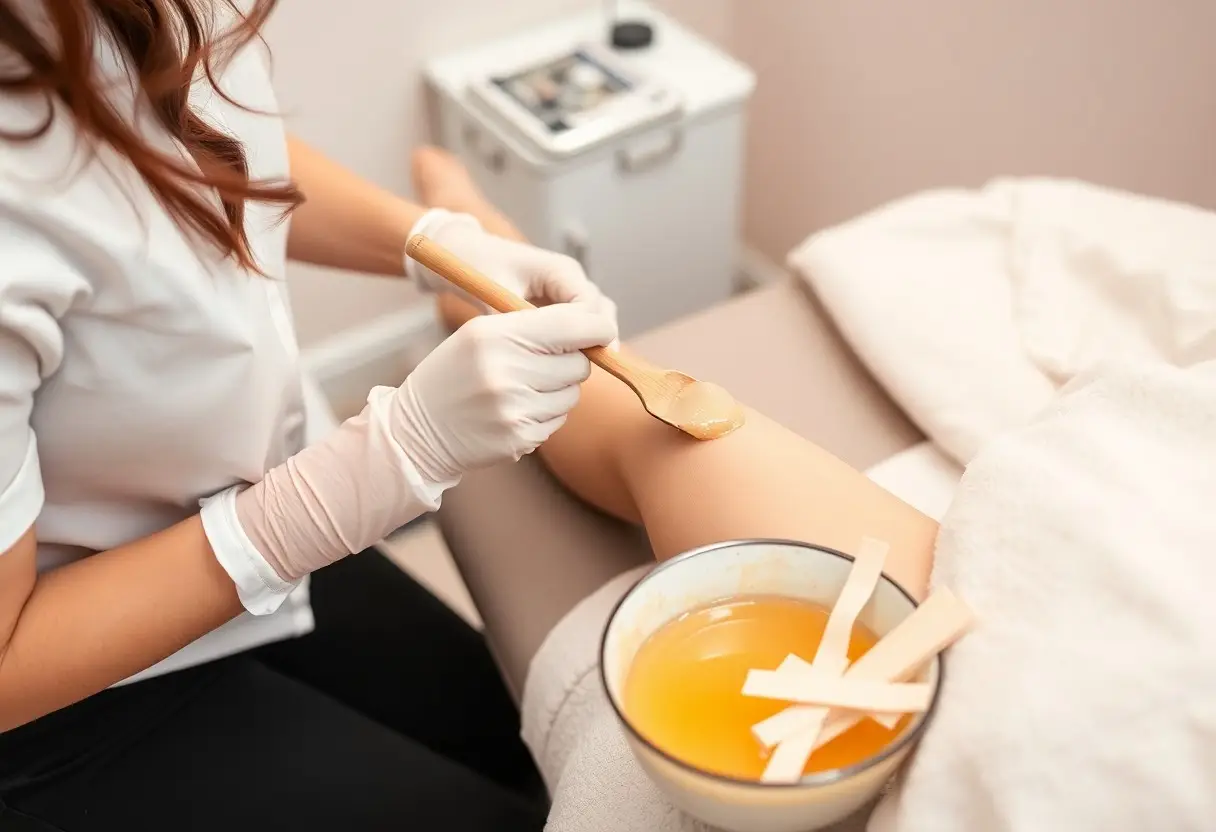
Confidence begins with knowing what to expect. Your first waxing appointment can feel intimidating, but preparation and communication make all the difference. Technicians are trained professionals who prioritize your comfort and privacy. Ask questions, breathe deeply, and trust the process-you’ll walk out feeling smoother and more confident.
Evaluating the Professional Factors of Esthetic Services
Look for licensed estheticians who openly discuss their training and experience. A reputable salon maintains clear hygiene practices and uses high-quality, medical-grade products. You should feel comfortable asking about their waxing techniques and aftercare guidance. The
Understanding the Esthetician’s Clinical Perspective
Your esthetician approaches each session with a focus on skin health and precision. They assess your skin type, hair growth pattern, and any sensitivities before beginning. This clinical mindset ensures safer, more effective results. You’re in trained hands.
Recognizing Standard Sanitary and Privacy Protocols
Disposable gloves, clean linens, and sterilized tools are non-negotiable in a professional setting. You should see single-use applicators and covered treatment beds. Draped properly, you’ll maintain full coverage during the service. The
Every licensed esthetician follows strict sanitation guidelines to prevent infection and cross-contamination. Surfaces are disinfected between clients, and wax is never double-dipped. Your privacy is protected with private rooms and modest draping. These protocols ensure your safety and comfort throughout the appointment. The
How to Prepare Your Body for a Seamless Experience
Proper preparation sets the foundation for a smooth waxing session. Clean, exfoliated skin free of oils and lotions allows wax to grip hair effectively. Trim hair to an ideal length and avoid sun exposure or tanning beforehand. This
Essential Pre-Waxing Hygiene and Exfoliation Tips
Good hygiene enhances comfort and effectiveness. Shower before your appointment to remove dirt and sweat. Gently exfoliate 24 hours prior to prevent ingrown hairs. Avoid applying lotions, oils, or deodorants on the day of waxing. This
- Use a mild scrub to exfoliate and clear dead skin
- Wash the area with fragrance-free soap to reduce irritation
- Pat skin dry-moisture can interfere with wax adhesion
- Wear loose clothing to minimize friction post-wax
Managing Hair Length for Optimal Results
Hair that’s too short won’t be caught by the wax, while overly long hair can increase discomfort. Aim for about ¼ inch of growth-roughly the length of a grain of rice. Letting hair grow for 2 to 3 weeks after shaving usually achieves this. This
Letting your hair grow to the right length ensures the wax can securely grip each strand for clean removal. If hair is too short, the wax won’t have enough to hold onto, leading to ineffective results and wasted time. On the other hand, excessively long hair may break instead of pulling out from the root, increasing pain and ingrown risk. This
Tips for Communicating Effectively with Your Technician
- Be clear about your skin sensitivities
- Share any past waxing experiences
- Use verbal cues to manage discomfort
- Ask questions about the technique or products used
Perceiving your comfort as a priority helps build trust. Open dialogue ensures a smoother experience and reduces anxiety.
Discussing Skin Sensitivities and Past Experiences
Tell your technician if you have reactive skin or a history of ingrown hairs. Mentioning past reactions helps them adjust their method. Perceiving
Using Verbal Cues to Regulate the Pace of the Service
Say “slow down” or “pause” if you feel sudden discomfort. Most technicians welcome feedback to improve your comfort. Perceiving
Most professionals expect clients to speak up during the service. Using simple phrases like “that stings” or “give me a second” lets them respond quickly. This keeps the process safer and more controlled. Perceiving
How to Manage Physical Discomfort and Social Anxiety
Waxing can stir both physical sensations and social unease, but you’re not alone in feeling this. Most people experience some level of discomfort and self-consciousness, especially the first time. Recognizing this is normal helps reduce the pressure you might feel to stay completely calm. Focus on your breathing and remind yourself that the process is temporary-and worth it for the smooth results.
Implementing Rhythmic Breathing Exercises
Breathe in slowly through your nose for four counts, then release through your mouth for six. This simple pattern triggers your body’s natural relaxation response, reducing tension during sensitive moments. You don’t need to close your eyes-just keep your breath steady. Over time, syncing your breath with the technician’s movements can make the experience far more manageable.
Distraction Techniques and Mental Reframing
Shift your focus by listening to a podcast or repeating a calming phrase in your head. Redirecting your attention reduces perceived pain and anxiety. Instead of fixating on discomfort, picture the end result-smooth skin and increased confidence. Small mental shifts like this make a noticeable difference in how you experience the session.
Distraction isn’t about ignoring what’s happening-it’s about giving your mind a break from heightened awareness. Try counting backward from 100 by threes, or silently naming every blue object in the room. These tasks engage your brain just enough to lower stress hormones, making the process feel quicker and less intense. Pair this with positive self-talk, like “I’m doing great” or “This is almost over,” and you’ll stay grounded without overthinking.
Factors in Post-Waxing Skin Care Management
- Avoid heat exposure like saunas and hot showers for 24 hours
- Keep skin clean and free of harsh chemicals such as perfumed lotions
- Wear loose clothing to reduce friction and irritation
- Apply a soothing aloe-based gel to calm redness
You’re in control of how your skin recovers. Assume that consistent care leads to smoother, healthier results over time.
Following Immediate Aftercare Instructions to Prevent Irritation
Heat and sweat can trigger inflammation right after waxing. Skip workouts and tight clothes for a few hours. Your skin is sensitive-treat it gently. Assume that avoiding irritation now prevents breakouts later.
Recognizing the Long-Term Benefits of Consistent Sessions
Over time, regular waxing reduces hair thickness and growth speed. You’ll notice less pain and fewer ingrown hairs. Assume that long-term smoothness comes from repeated care, not just one session.
With each wax, your hair follicles weaken, leading to finer regrowth. Eventually, some hairs stop growing back altogether. This isn’t just about aesthetics-consistent appointments mean longer-lasting results and less frequent visits. Assume that patience transforms maintenance into real progress.
Final Words
As a reminder, feeling awkward during your first waxing appointment is normal, but preparation reduces discomfort. Communicate openly with your technician, wear comfortable clothing, and focus on your breathing. You control the pace-ask questions or request breaks. Confidence builds with experience, and most people find the process easier than expected. Trust yourself and the professional guiding you.
FAQ
Q: What should I do before my first waxing appointment to feel more comfortable?
A: Shower before your appointment so your skin is clean and free of oils or lotions. Wear loose, comfortable clothing to avoid irritation after the waxing session. Let your technician know it’s your first time-most professionals are used to nervous clients and will walk you through each step. Being prepared physically and emotionally helps reduce anxiety and makes the experience smoother.
Q: Will the waxing hurt a lot, and how can I manage the discomfort?
A: Waxing involves some discomfort, especially the first time, but it’s usually brief and less intense than people expect. The sensation feels like a quick sting or snap. Focus on steady breathing-inhale through your nose and exhale slowly through your mouth during each pull. Tensing up makes it feel worse, so try to relax your muscles. Many people find that the discomfort decreases with each session as hair grows back finer and sparser.
Q: How can I calm my nerves while waiting for the appointment to start?
A: Bring headphones and listen to a calming playlist, podcast, or audiobook while you wait. Small distractions like scrolling through your phone or reading a magazine can also help pass the time. Remind yourself that waxing is a common grooming choice and nothing to feel self-conscious about. Technicians perform these services daily and prioritize your comfort and privacy. Just being honest about your nerves can help them support you better during the session.