
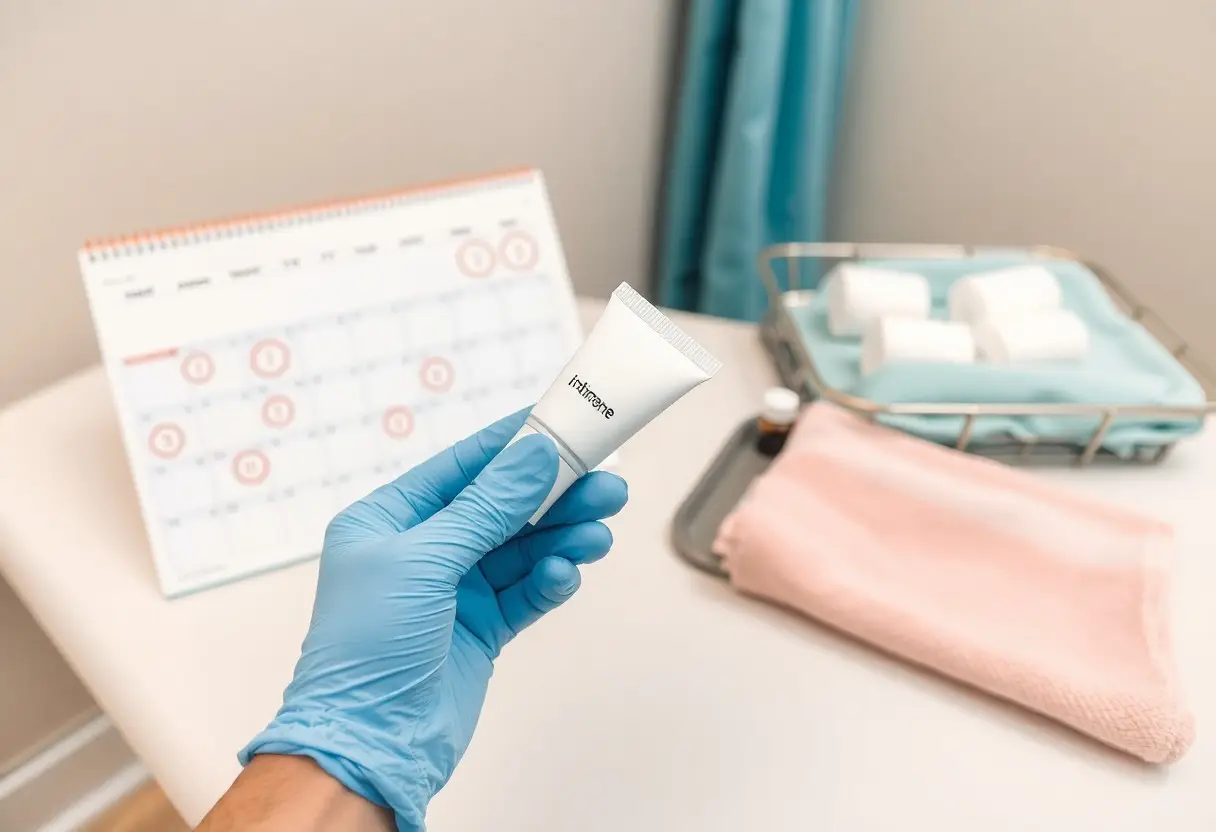
Just because you see results doesn’t mean more treatments are better. Overdoing intimate lightening can cause irritation, burns, or permanent skin damage. Most experts recommend waiting 4 to 6 weeks between sessions. Following your provider’s advice ensures safer, more effective outcomes. Always let your skin fully recover before considering another treatment.
Key Takeaways:
- Intimate lightening treatments should generally be done every 4 to 6 weeks, depending on skin sensitivity and the method used, to allow time for skin recovery and avoid irritation.
- Overuse or too-frequent application can lead to redness, dryness, or long-term skin damage, so following product instructions and listening to your body’s response is important.
- Results vary by individual-factors like skin type, lifestyle, and consistency of aftercare influence how often touch-ups are needed for maintained appearance.
The Pursuit of Perfection
Beauty standards often push you toward idealized images that aren’t always realistic. Chasing flawless skin can lead to over-treatment, especially when it comes to intimate lightening. You may feel pressure to achieve a certain look, but true confidence comes from making informed, healthy choices-not from meeting impossible ideals.
Aesthetic Desires
Desiring a more even skin tone in intimate areas is common, and your personal preference matters. Many seek lightening for cosmetic confidence, not medical reasons. Still, it’s vital to balance aesthetic goals with skin health, ensuring treatments enhance-not compromise-your well-being.
Professional Expertise
Only trained specialists should guide your intimate lightening journey. Improper techniques can cause scarring or pigmentation issues. A qualified provider evaluates your skin type, recommends safe methods, and tailors treatments to your needs-ensuring results are both effective and low-risk when done correctly.
When you consult a licensed dermatologist or aesthetician, they assess your skin’s sensitivity and medical history before suggesting any procedure. Chemical peels, laser therapy, or topical regimens must be calibrated precisely-one-size-fits-all approaches increase the risk of adverse reactions. Trusting a professional means you’re not just chasing results, but doing so safely and sustainably, with long-term skin health as the priority.
The Rhythm of Renewal
Consistency shapes results when it comes to intimate lightening. Your skin responds best to a structured approach that aligns with its natural renewal cycle. Sticking to a clear schedule prevents overuse and supports healthy, even outcomes without irritation.
Initial Phase
Begin treatments two to three times per week for the first four weeks. This frequency allows your skin to gradually adapt to active ingredients. Overdoing it early can lead to redness or sensitivity, so patience delivers safer, more effective results.
Ongoing Care
After the initial phase, reduce applications to once or twice weekly. This maintenance rhythm sustains your results while protecting your skin’s delicate balance. Skipping this step may lead to re-pigmentation, undoing earlier progress.
Maintaining your results requires more than routine-it demands attention to how your body responds. Hormonal shifts, sun exposure, or friction from clothing can trigger melanin production even after improvement. That’s why ongoing care isn’t optional; weekly touch-ups keep pigmentation at bay and preserve the confidence-boosting effects you’ve worked for. Always monitor for irritation and adjust frequency if needed.
Individual Skin Nuances
Your skin’s unique characteristics directly influence how often you should pursue lightening treatments. Reaction speed, sensitivity, and natural renewal rate vary widely, meaning a one-size-fits-all approach can lead to irritation or overuse. Assessing your skin’s behavior after each session helps determine safe frequency without compromising barrier health.
Delicate Complexions
Skin that flushes easily or reacts to new products requires extra caution. Over-treating can trigger redness, dryness, or long-term sensitivity. Limit sessions to once every 3-4 weeks and always patch-test first. Your skin’s comfort matters more than speed-slower progress often leads to safer, more sustainable results.
Sturdier Tones
You likely tolerate active ingredients better and see results faster. Even resilient skin has limits, so avoid aggressive scheduling. Treatments every 10-14 days may be suitable, but always monitor for tightness or dullness-these are early signs to pause and recover.
Having sturdier skin doesn’t mean immunity to damage. Consistent overuse of lightening agents, even with high tolerance, can disrupt melanin production and lead to uneven pigmentation or rebound darkening. Stick to professionally recommended intervals and pair treatments with hydration and daily SPF to maintain balance and prevent long-term harm.
Influences on Duration
Your skin’s response to intimate lightening depends on several personal factors. Genetics, skin type, and melanin production play major roles in how quickly you see results. Hormonal changes and past irritation can also extend the timeline. Consistency matters, but so does patience-your body sets the pace.
Daily Habits
You expose your skin to irritants more often than you realize. Tight clothing, harsh soaps, and friction from daily activities can slow down progress or trigger discoloration. Choosing breathable fabrics and pH-balanced cleansers supports your lightening goals without added stress on sensitive areas.
Aftercare Rituals
You must protect treated skin every single day. Applying a gentle, fragrance-free moisturizer and using daily SPF in exposed areas prevents reverse pigmentation. Skipping aftercare risks irritation and undermines the results you’ve worked hard to achieve.
Consistent aftercare isn’t optional-it’s the foundation of lasting results. You expose delicate skin to environmental stressors daily, and without proper hydration and protection, melanin can rebound quickly. Use soothing ingredients like aloe or niacinamide, and avoid exfoliating too often, as overuse leads to inflammation and darker pigmentation. Your routine after treatment defines your outcome.
Indicators for Maintenance
Changes in skin tone often signal when it’s time to schedule another session. Sun exposure, hormones, and natural pigmentation shifts can reverse earlier results. Waiting too long between treatments may lead to deeper discoloration, making correction more involved. Pay attention to how your skin responds week to week.
Visual Shifts
Darkening or uneven tone in previously treated areas indicates pigment activity returning. This is your skin telling you maintenance is due. Discoloration may start subtly but can progress without intervention. Regular observation in natural light helps catch changes early.
Subjective Standards
Your personal comfort and confidence play a major role in timing. If you feel your tone isn’t as radiant or even as you’d like, it’s valid to consider a touch-up. Results are not just clinical-they’re emotional. Satisfaction matters as much as visible pigment changes.
How you feel in your skin impacts your choices more than any timeline. Some clients prefer treatments every six weeks, others stretch to three months. Your ideal frequency depends on your goals, lifestyle, and skin’s behavior. There’s no universal standard-only what aligns with your expectations and well-being.
The Virtue of Patience
Results take time, and rushing the process can do more harm than good. Your skin needs time to respond safely to treatment, and overuse can lead to irritation or long-term damage. Trusting the timeline set by your skin’s natural cycle yields better, longer-lasting outcomes.
Risk of Over-Treatment
Pushing for faster results by increasing treatment frequency can backfire. Over-lightening may cause uneven tone, sensitivity, or hyperpigmentation. Your skin’s health always comes before speed-stick to recommended intervals to avoid irreversible effects.
Professional Guidance
A licensed specialist knows how your skin type reacts to different agents and devices. They adjust treatments based on your progress and skin’s needs, minimizing risks while maximizing results. Seeing them regularly ensures your journey stays safe and effective.
Only a trained provider can identify early signs of irritation or adverse reactions before they become serious. They’ll tailor the strength and frequency of your sessions, using clinical-grade products or procedures that aren’t available over the counter. Following their exact schedule protects your skin’s barrier and delivers consistent, visible improvement without unnecessary setbacks.
Summing up
With this in mind, you should get intimate lightening every four to six weeks, depending on your skin type and hair regrowth cycle. Overdoing it can cause irritation, while waiting too long reduces effectiveness. You know your body best-adjust frequency based on how your skin responds and always follow professional advice for safe, consistent results.