
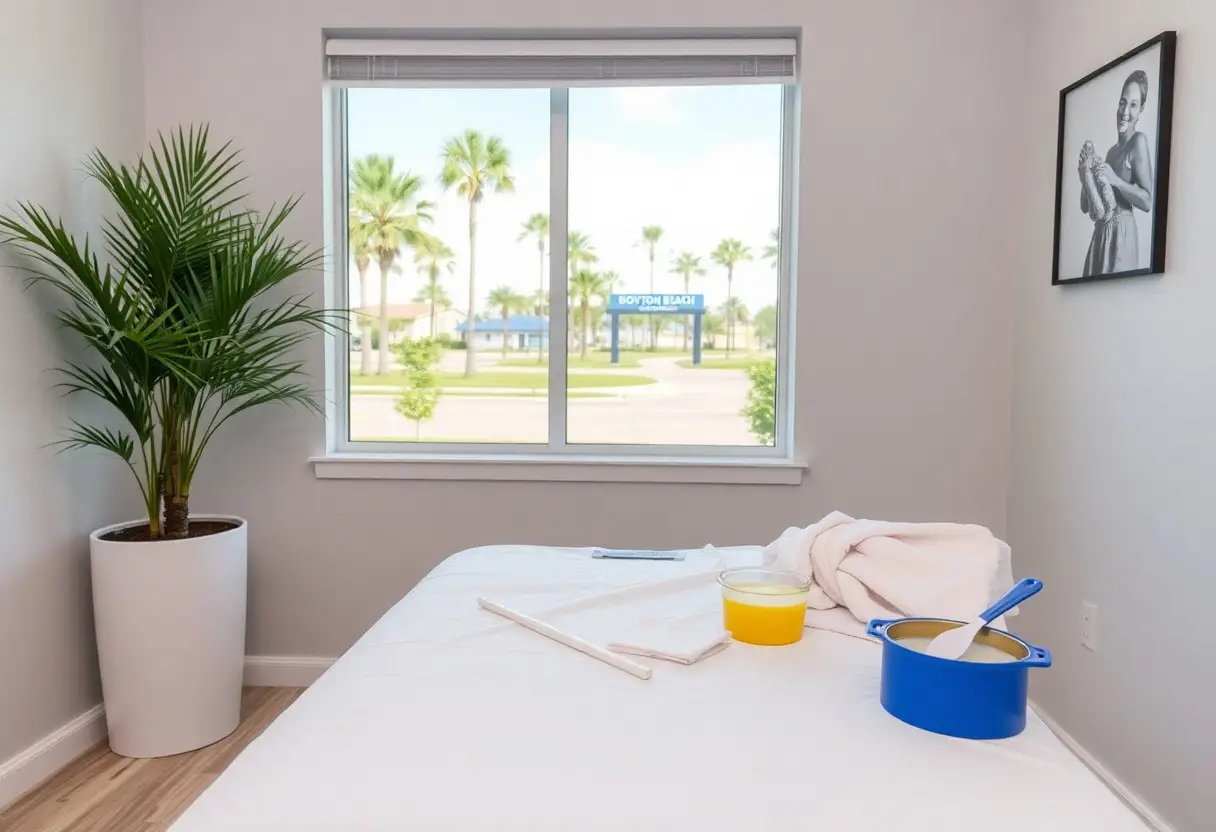
There’s a friendly technician who will consult you; you should expect brief discomfort, possible redness, clear aftercare to reduce infection risk, and smooth results with longer hair-free time when you arrive with clean, unexfoliated skin.
Key Takeaways:
- Esthetician will review your skin health, allergies, and preferences, then perform a short consultation before starting the wax.
- Session length depends on the area; expect brief discomfort, temporary redness, and aftercare instructions to soothe sensitivity.
- Prepare by growing hair to about 1/4 inch, avoid tanning and heavy exfoliation beforehand, and skip sun exposure or intense workouts for 24-48 hours after.
Preparing for Your Appointment
Plan to arrive with clean, dry skin, avoid sun exposure and tanning for 24-48 hours, and skip caffeine to reduce sensitivity; bring any required ID and complete medical disclosures so the esthetician can ensure safe, comfortable results.
Achieving Optimal Hair Length
You should have hair about a quarter-inch (6mm) long so the wax can grip; if hair is shorter, waxing may be ineffective, and if much longer, trimming can reduce discomfort.
Pre-Waxing Exfoliation and Hygiene
Exfoliate gently 24-48 hours before your session to remove dead skin and help prevent ingrown hairs; avoid harsh scrubs on the day of the appointment and keep the area clean to lower infection risk.
Avoid scrubbing aggressively; instead use a gentle exfoliant or soft cloth two days before to clear pores. If you have open cuts, active breakouts, sunburn, or recent retinoid use, reschedule-these increase risk of irritation or tearing. Pat skin dry and skip heavy lotions that can interfere with wax adherence.
Selecting a Reputable Boynton Beach Professional
Choose a salon where technicians are licensed, staff explain products clearly, and you can confirm strict sanitation practices; prioritize visible certifications and transparent pricing to ensure safe, professional care.
Verifying Licensing and Sanitation Standards
Ask to see technician licenses and recent inspection records, confirm use of single-use applicators, and watch for proper cleanup; leave if you spot any signs of cross-contamination or unclean instruments.
Evaluating Local Expertise and Client Feedback
Check online reviews, before-and-after photos, and how long technicians have performed waxing in Boynton Beach; you should prioritize salons with staff experienced handling sensitive skin and consistent positive feedback.
Look beyond star ratings: you can call salons to ask about technician training, whether they follow protocols for different hair types, and request before-and-after photos or client references. You should note how they answer questions about sensitive skin, pain management, and refunds, and favor locations with multiple consistent examples of quality results and repeat clients.
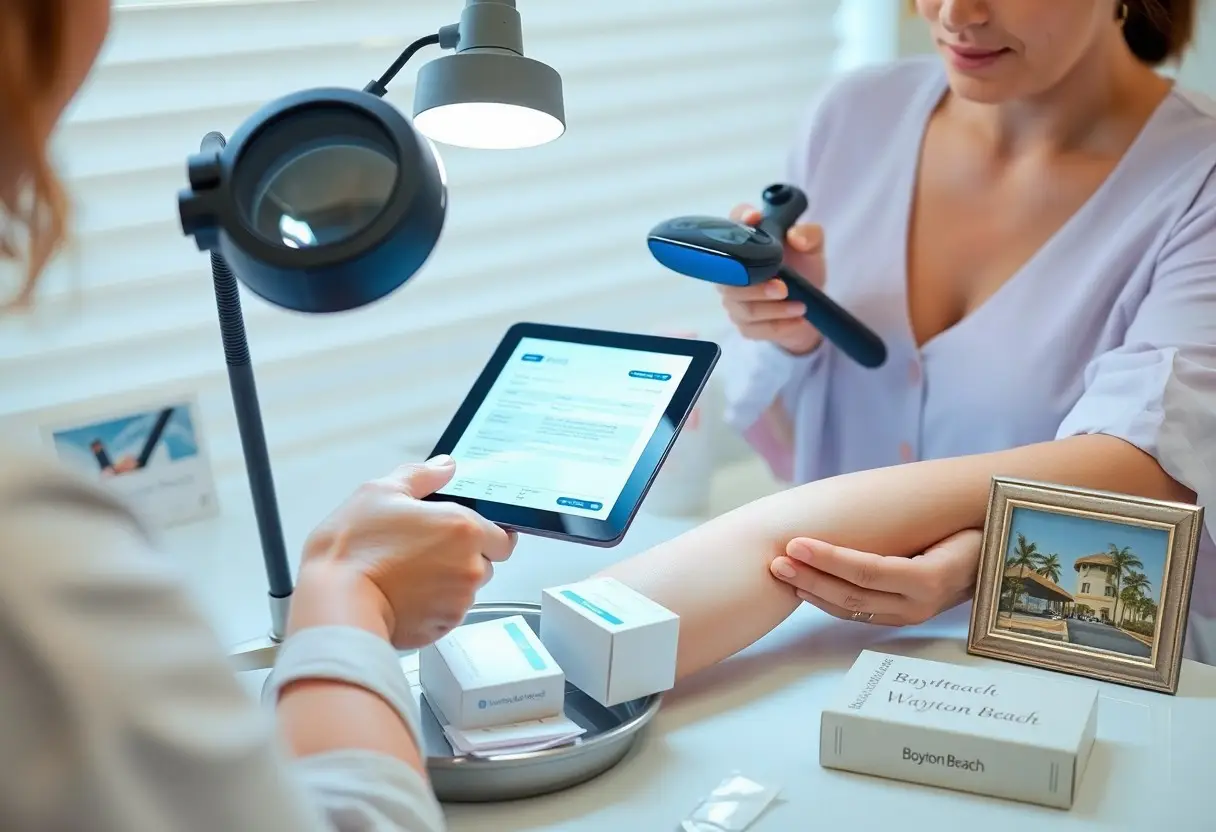
The Initial Consultation and Skin Analysis
During the consultation, your technician examines your skin type, hair growth and recent treatments, screens for allergies, and marks sensitive areas so they can avoid irritation and reduce infection risk.
Discussing Sensitivities and Medical Contraindications
Inform the technician if you take blood thinners, are pregnant, have active acne or eczema, or recently used retinoids so they can identify contraindications and prevent severe reactions.
Choosing Between Hard and Soft Wax Formulas
Compare hard wax-ideal if you want less skin pulling for intimate or sensitive areas-versus soft wax, which covers larger zones faster but can cause more irritation; choose based on your pain tolerance and treatment area.
Hard wax sets on its own and is removed without strips, so you avoid extra pulling; you may find it gentler on sensitive areas but slightly pricier. Soft wax requires cloth strips, works well for legs and arms, but can increase redness; always ask the technician about heat levels to avoid burns.
The Waxing Procedure Step-by-Step
| The Waxing Procedure Step-by-Step | |
|---|---|
| Consultation | Technician asks about allergies, medications, and hair length so safe products are chosen and expectations are set. |
| Prep & Cleanse | Area is cleansed and powdered to help wax grip hair, not skin; avoid lotions or oils beforehand. |
| Application | Warm wax is applied in small sections, strips pressed then removed against hair growth for smooth results. |
| Aftercare | Soothe with cooling gel, avoid heat and sun for 24-48 hours, and watch for signs of infection. |
Skin Preparation and Cleansing
You should arrive with clean, dry skin; your technician will gently cleanse the area to remove oils and bacteria. Avoid applying lotions beforehand as they can prevent wax adhesion. If you have sensitive skin, mention allergies so they can use gentler products or perform a patch test.
Precision Application and Removal Techniques
Your technician applies warm wax in the hair growth direction, presses a strip, then removes it against growth for smooth results. Expect quick, repeated pulls and brief discomfort; topicals may calm the skin. Watch for any excessive bleeding and report severe pain immediately.
During the removal, you may feel sharp tugs; breathing and relaxation help. Small missed hairs are tidied afterwards, and the technician checks for excessive bruising if you take blood thinners. Post-wax cooling gel reduces redness and speeds comfort while targeted pressure minimizes skin trauma.
Managing Comfort and Sensation
You can expect brief pinches and pressure; practice deep breathing and ask about topical numbing if needed. Check Bikini & Brazilian Waxing: What To Expect on Your First Time for prep tips and common sensations-minor discomfort is normal.
Professional Techniques to Minimize Discomfort
Your technician will stretch the skin, control wax temperature, and remove strips swiftly to reduce pain; skilled technique shortens the sensation and lowers skin trauma during the service.
Post-Treatment Soothing and Cooling
After waxing, expect a cooling gel or cold compress applied to calm the area; you may have temporary redness and tiny bumps that usually fade within 24-48 hours.
If irritation persists, you should apply cool compresses and aloe vera gel, use a gentle cleanser, avoid hot baths, saunas, heavy sweating and tight clothing for 24-48 hours, and skip exfoliation for 72 hours; consider OTC 1% hydrocortisone for itching, and seek care if you notice spreading redness, pus, severe pain, or fever.
Essential Aftercare and Maintenance
Immediate Post-Wax Skin Protection
Protect your skin by avoiding hot showers and direct sun for 24-48 hours; apply a gentle, fragrance-free moisturizer and broad-spectrum SPF 30+ when exposed, skip harsh products, and cool any redness with a clean compress to lower irritation and infection risk.
Preventing Ingrown Hairs and Prolonging Results
Extend results by gently exfoliating after 48 hours with a soft scrub or low-strength BHA, keeping skin hydrated with a light, non-comedogenic oil, and avoiding tight clothing to reduce friction and ingrown hairs.
If you want to minimize ingrowns, start gentle exfoliation 48-72 hours post-wax using a soft cloth or low-strength salicylic acid once every other day and avoid aggressive scrubbing. Apply a light oil to soften trapped hairs and use targeted BHA pads for early bumps; consult a professional and seek medical attention for severe pain, spreading redness, pus, or fever.
Conclusion
With this in mind, you should expect a brief consultation, professional technique, and clear aftercare instructions; mild discomfort is normal, staff will keep you comfortable, and results typically last several weeks with proper care.