
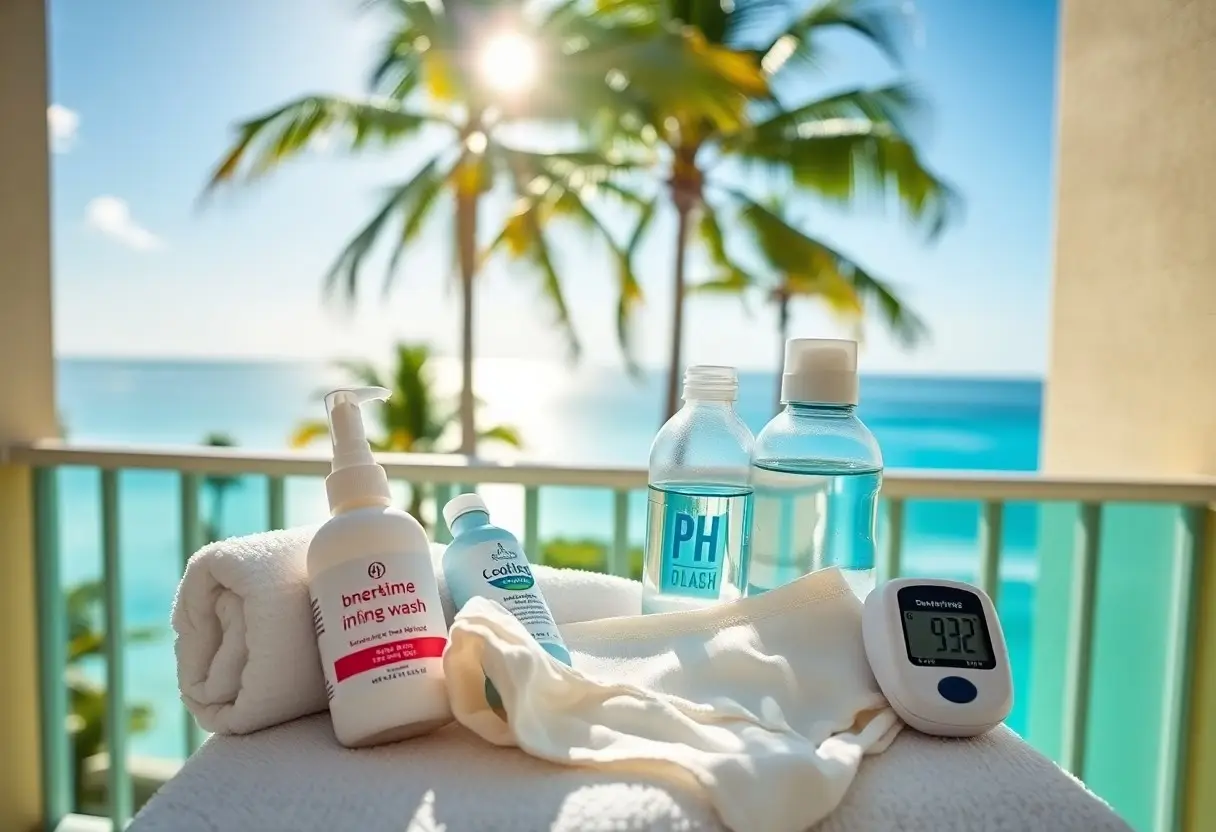
Over 90% humidity and intense sun exposure in South Florida create a breeding ground for irritation and infection. Your intimate skin, being especially sensitive, faces increased risks from sweat, friction, and bacteria. Ignoring care can lead to discomfort or infections, while proper hygiene and breathable fabrics help maintain balance and health in this challenging climate.
The Heavy Air of the South
Humidity wraps around you like a second skin the moment you step outside. This thick, wet air prevents sweat from evaporating, leaving moisture-and friction-trapped against your body. Prolonged dampness can weaken the skin’s protective barrier, especially in intimate areas where tissue is more delicate.
The friction of the long afternoon
Heat stretches the day, and with every movement, skin rubs against skin. You feel it most where clothing fits tight or shifts with motion. Constant chafing leads to redness, irritation, and micro-tears that invite bacteria, making even routine activities uncomfortable if ignored.
Salt spray and the sensitive surface
Ocean breezes carry invisible grains of salt that settle on exposed skin. When sweat mixes with these deposits, the result is a drying, stinging film. This combination can inflame sensitive zones, disrupting pH balance and increasing discomfort where protection matters most.
Every time you return from the shore, salt lingers long after the waves fade. That fine residue pulls moisture from your skin, creating a dehydrated surface prone to cracking. In intimate areas, where skin is thinner and more reactive, this drying effect heightens susceptibility to irritation and infection. Regular rinsing and gentle cleansing after beach exposure are non-negotiable for maintaining comfort and long-term skin health.
The Body in the Heat
Your skin works harder when South Florida’s heat wraps around you like a heavy blanket. Sweat flows more freely, oils shift, and friction increases in sensitive areas. This constant exposure stresses your body’s largest organ, making daily care more imperative than ever to maintain balance and prevent irritation.
When the pores fail to breathe
Sweat builds up when your pores can’t release moisture fast enough. Trapped fluids lead to clogged pathways and uncomfortable chafing, especially in intimate zones. Without proper cleansing, this blockage becomes a breeding ground for redness, bumps, and lasting discomfort.
The invisible growth in the damp
Moisture between skin folds creates a hidden environment where yeast and bacteria thrive. You might not see it at first, but persistent itching or a faint odor signals something’s off. This silent overgrowth can escalate into infections that require medical care if ignored.
Yeast, particularly candida, multiplies rapidly in warm, moist areas like the groin or under the breasts. Your body’s natural pH balance gets disrupted by sweat and synthetic fabrics, weakening its defenses. Without breathable clothing and gentle, pH-balanced cleansers, you’re inviting irritation and recurrent flare-ups-conditions that are preventable with consistent, targeted care.
The Routine of the Clean
Consistency in your intimate hygiene routine protects your skin from South Florida’s relentless heat and humidity. Daily care prevents irritation caused by sweat, bacteria, and friction. Ignoring this step risks infections and discomfort, especially when wearing tight or moisture-trapping clothing. Your body deserves gentle attention every single day.
Washing away the day’s work
You remove makeup and cleanse your face-your intimate skin needs the same respect. Sweat, sunscreen, and chlorine linger after long hours outdoors. Using a mild, pH-balanced wash clears impurities without disrupting natural defenses. Rinse thoroughly to avoid residue that breeds irritation in humid conditions.
The choice of the right cloth
A soft, clean towel matters more than you think. Rough fabrics can cause micro-tears, especially when skin is damp and sensitive. Opt for 100% cotton or bamboo fibers-they’re gentle and reduce friction. Always pat dry; never rub, to maintain your skin’s protective barrier.
Choosing the right cloth isn’t just about comfort-it directly impacts your skin’s health. Synthetic or abrasive materials trap moisture and encourage bacterial growth, increasing the risk of rashes or infections. Cotton and bamboo are breathable and naturally antimicrobial, making them ideal for delicate areas. Replace towels regularly and avoid sharing to prevent contamination. Your cloth is part of your defense system-treat it like one.
The Selection of the Balm
Choosing the right balm matters more in South Florida’s humid heat. Your skin faces constant moisture shifts and friction, increasing sensitivity. A well-formulated balm protects without clogging pores. Look for breathable ingredients that support long-lasting comfort and pH stability, especially in delicate areas exposed to sweat and salt.
Keeping the natural balance true
Your skin’s pH is a quiet guardian against irritation and infection. In tropical climates, sweat and moisture can tilt this balance, inviting discomfort. A gentle balm with lactic acid or prebiotic actives helps maintain your skin’s natural defenses. Staying in equilibrium means fewer disruptions and healthier, resilient tissue day after day.
Avoiding the sting of heavy scents
Fragrance might make a product smell luxurious, but it’s a common trigger in sensitive zones. In humid heat, pores open wider and absorption increases. Artificial perfumes can cause redness, burning, or allergic reactions. Skip the scent and choose fragrance-free formulas designed for maximum tolerance and minimal risk.
Heat and sweat amplify how your skin reacts to additives, especially in intimate areas where the skin is thinner. Heavy fragrances often contain hidden alcohols and synthetic compounds that disrupt cellular health. When you apply a scented balm, you’re not just adding aroma-you’re introducing potential irritants that can lead to chronic discomfort or inflammation. Dermatologists consistently recommend fragrance-free options for this reason, emphasizing that unscented doesn’t mean ineffective; in fact, it often means safer, smarter care.
Watching for the Change
Heat alters your skin’s behavior in ways you can’t always see at first. Redness, itching, or unexpected dryness may seem minor, but in South Florida’s climate, they’re early warnings. You’re not just sweating more-you’re exposing delicate areas to constant moisture and friction. Recognizing these shifts early keeps small issues from becoming serious problems.
The red mark of the sun
That faint pink spot on your inner thigh isn’t just from chafing-it could be sun damage. UV exposure doesn’t stop at your swimsuit line; sensitive zones are vulnerable too. Without protection, even brief outdoor time can leave lasting irritation. Shielding these areas isn’t optional, it’s important.
When the irritation becomes a burden
Discomfort starts quietly, but persistent itching or burning can disrupt your day and confidence. Ignoring it risks infection or long-term sensitivity. You’re not overreacting-your skin is signaling distress. Treating it promptly prevents escalation and restores balance.
When the same spot flares up every summer, it’s more than seasonal annoyance. Constant moisture from sweat, combined with UV exposure and friction, weakens the skin’s natural barrier. Bacterial or fungal overgrowth becomes likely, especially in folds and intimate zones where airflow is limited. Using breathable fabrics, gentle cleansers, and targeted barrier creams helps, but knowing when to see a professional makes all the difference.
To wrap up
Following this, the South Florida heat increases sweat and humidity, creating conditions that challenge intimate skin health. You face higher risks of irritation, chafing, and bacterial imbalances when moisture lingers. Daily cleansing, breathable fabrics, and pH-appropriate products help maintain comfort and protection. Your skin’s sensitivity demands consistent, thoughtful care in this climate.
FAQ
Q: How does South Florida’s heat affect intimate skin health?
A: South Florida’s high temperatures and humidity create a warm, moist environment that can disrupt the natural balance of intimate skin. This area of the body is especially sensitive and prone to irritation when sweat, friction, and trapped moisture combine. Prolonged exposure to heat increases sweat production, which may alter the skin’s pH and encourage bacterial or fungal growth. Wearing tight or non-breathable clothing in these conditions can worsen discomfort, leading to chafing, rashes, or recurring infections like yeast or bacterial vaginosis.
Q: Why is moisture-wicking underwear recommended for intimate care in hot climates?
A: Moisture-wicking underwear helps pull sweat away from the skin, keeping the intimate area drier and reducing the risk of irritation. In South Florida’s humid weather, regular fabrics like cotton may absorb sweat but stay damp, creating a breeding ground for microbes. Fabrics designed to wick moisture-such as certain blends of bamboo, modal, or technical synthetics-allow better airflow and dry faster. This helps maintain a healthier environment, minimizes odor, and supports the skin’s natural defenses without relying on harsh products.
Q: Can daily routines in hot weather impact sensitive skin even without symptoms?
A: Yes. Even when no visible irritation is present, South Florida’s heat can silently stress intimate skin. Frequent swimming in chlorinated pools or saltwater, combined with sun exposure and sweat, can strip natural protective oils. Overwashing or using scented soaps to “feel clean” may further disrupt the area’s delicate microbiome. A consistent, gentle routine-like rinsing with lukewarm water, using pH-balanced cleansers, and changing out of wet clothing promptly-helps prevent problems before they start. Prevention is especially helpful during long summer months when the body is under constant environmental strain.