
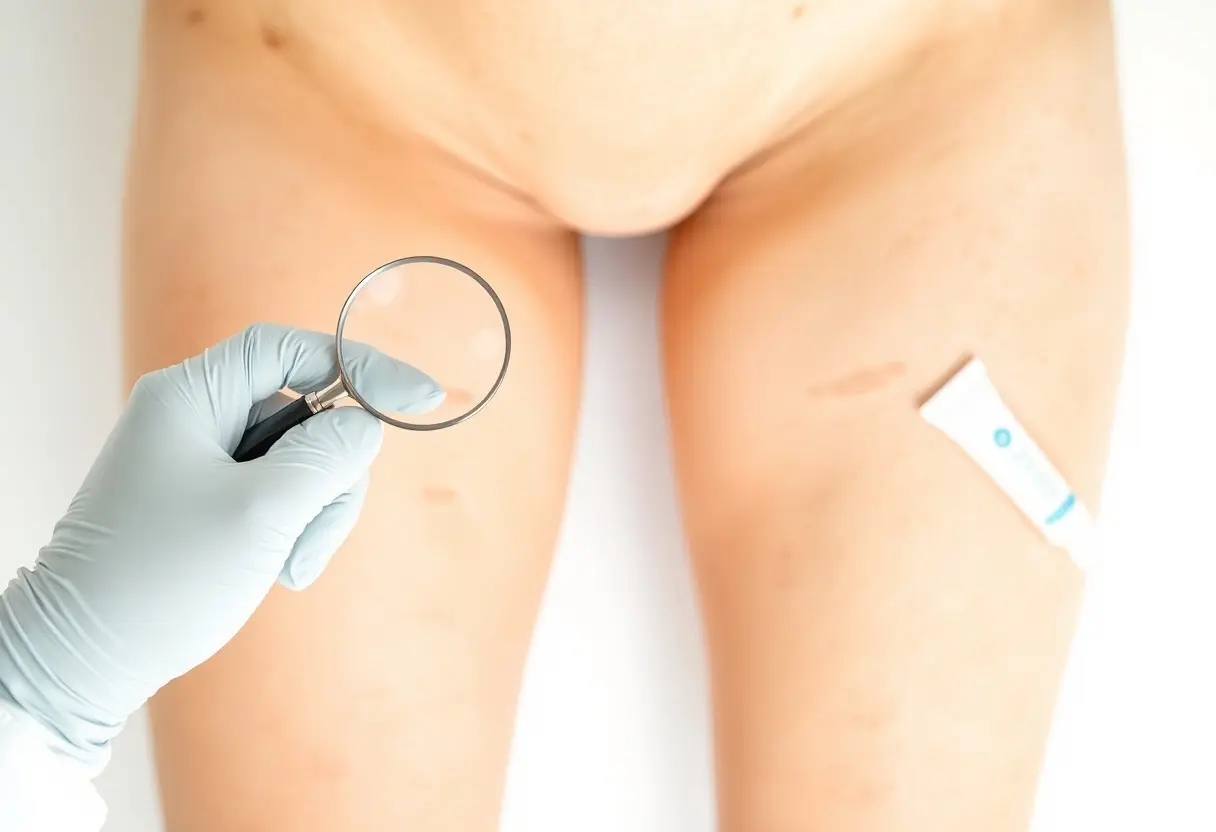
With changes in skin tone common in intimate areas, you may notice darkening due to natural factors like hormones or friction. Pregnancy and birth control often trigger this, while shaving or tight clothing can worsen it. In rare cases, dark skin signals an underlying medical condition, so monitoring changes is vital.
Key Takeaways:
- Dark skin in intimate areas is often a normal variation caused by genetics, hormonal changes, or friction from clothing and movement, not a sign of poor hygiene or health issues.
- Hormonal shifts during puberty, pregnancy, or due to birth control can increase melanin production, leading to natural darkening in sensitive skin regions.
- Chronic rubbing, tight clothing, or shaving may contribute to localized skin darkening over time, but these changes are typically harmless and reversible with adjusted habits.
The Friction of Life
Your daily movements contribute more than you realize. Skin in intimate areas darkens over time due to repeated rubbing from clothing, walking, or physical activity. This natural friction triggers melanin production as a protective response. While completely normal, excessive tightwear can intensify the effect. You don’t need to change your lifestyle-just understand what your body is communicating.
The Hormones That Change Us
How Hormones Influence Skin Tone
You’ve likely noticed changes in your skin during pregnancy, puberty, or while on hormonal medications. Estrogen and progesterone can stimulate melanin production, especially in sensitive areas. This natural response often leads to darker pigmentation where hormones are most active. While it’s completely normal, sudden or intense changes may signal an underlying condition needing evaluation.
The Tools We Use
You expose delicate skin to potential harm when using harsh exfoliants or scented soaps in intimate areas. Chemical irritants in these products can trigger increased melanin production, leading to darkening over time. Your choice of laundry detergent or synthetic underwear may also contribute. Opting for fragrance-free, hypoallergenic products helps maintain natural balance and minimizes unwanted pigmentation changes.
The Air That Does Not Reach
You may not realize how limited airflow affects skin tone in intimate areas. When skin folds trap moisture and reduce oxygen exposure, it triggers increased melanin production as a protective response. This natural reaction often leads to darker pigmentation in regions like the inner thighs, underarms, or genital folds. Keeping these areas dry and well-ventilated can minimize this effect and support healthier skin tone over time.
The Body Within
Your skin’s pigment responds to internal signals just as much as external ones. Hormonal shifts, especially during puberty, pregnancy, or due to birth control, can trigger increased melanin production in sensitive zones. This natural process often leads to darker skin in intimate areas, a change that’s common, harmless, and not a sign of poor hygiene. You’re not alone-most people experience this at some point.
Summing up
Considering all points, dark skin in intimate areas results from natural pigmentation changes influenced by hormones, friction, genetics, and aging. You may notice this common variation without underlying health concerns. Your body responds uniquely to internal and external factors, and is often a normal, harmless occurrence requiring no treatment unless accompanied by discomfort or sudden changes.