
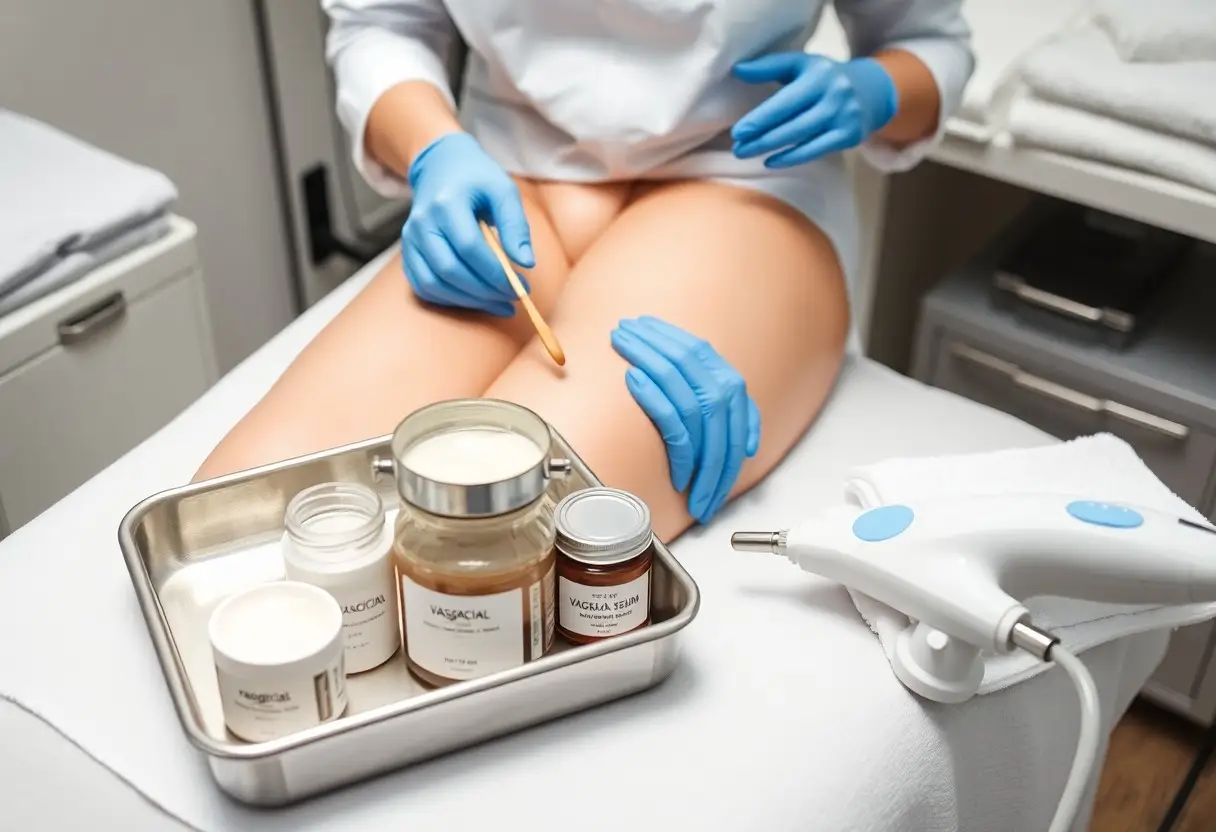
Skincare in delicate areas requires precision and care. You can maintain comfort and confidence by incorporating safe waxing practices, professional vagacials to reduce irritation and improve tissue health, and intimate lightening treatments that avoid harmful hydroquinone. Choosing pH-balanced, dermatologist-tested products ensures protection against infections and long-term sensitivity.
Key Takeaways:
- Intimate skincare routines can include waxing for smoother texture and reduced ingrown hairs, but require gentle aftercare to prevent irritation and maintain skin health.
- Vagacials, a specialized treatment for the vulvar area, focus on cleansing, exfoliation, and hydration to support comfort and skin appearance, especially for those with sensitive or reactive skin.
- Intimate lightening products may help address hyperpigmentation, but should be used cautiously with dermatologist-approved ingredients to avoid disrupting the delicate pH balance of the area.

The Art of the Perfect Wax
You deserve smooth, irritation-free results every time. Timing matters: wax when hair is about a quarter-inch long for the cleanest removal. Never double-dip applicators to avoid bacterial contamination. A skilled technician uses precise tension and quick strokes to minimize discomfort and reduce ingrown risks. Pre-wax cleansing and post-wax soothing with alcohol-free, calming ingredients protect your delicate skin.
The Luxury of the Vagacial
You’re not just pampering yourself when you book a vagacial-you’re investing in intimate skin health. This specialized treatment gently exfoliates, extracts, and soothes the delicate genital area, reducing ingrown hairs and inflammation. With medical-grade ingredients and calming techniques, it transforms routine care into a luxurious ritual that supports both comfort and confidence.
Brightening with Intimate Lightening
You may notice darkened areas over time due to hormones, friction, or shaving. Intimate lightening products work gently to even skin tone and reduce discoloration without harsh chemicals. Look for formulas with niacinamide or kojic acid-they’re effective and safe for delicate skin. Consistency matters, but never sacrifice comfort for results. If irritation occurs, stop use immediately-your skin’s health always comes first.
Daily Maintenance Rituals
Your consistency shapes the results you see. Cleanse the intimate area daily with a pH-balanced, fragrance-free wash to prevent irritation and maintain natural defenses. After showering, pat the skin dry-never rub-to avoid micro-tears. Apply a lightweight, non-comedogenic moisturizer to keep the skin supple, especially after waxing or lightening treatments. You protect delicate tissue every time you choose gentle, targeted products.
Safety and Sensitivity Protocols
Your skin in intimate areas is more delicate and prone to irritation than elsewhere on your body. Always patch-test new products 24 hours before full application to catch adverse reactions early. Never use harsh scrubs or high-concentration actives without professional guidance. Choose treatments labeled specifically for sensitive zones and discontinue immediately if you feel burning or redness. Professionals should use sterile tools during waxing or vagacials to prevent infection. Consult a dermatologist if you have a history of allergic reactions or chronic irritation.
Balancing Professional and Home Care
You benefit most when professional treatments and consistent at-home care work together. Skipping professional appointments can lead to uneven results or irritation, while neglecting daily hygiene undermines clinical progress. A dermatologist-approved routine between visits keeps skin balanced and responsive. Always patch-test new products and avoid over-exfoliating, which compromises delicate tissue. Trust your body’s signals to guide frequency and intensity.
Summing up
Summing up, your intimate skincare routine can be more effective and confidence-boosting when you include waxing for smoothness, vagacials for balanced pH and comfort, and intimate lightening for even tone. You know your skin best-choosing safe, dermatologist-approved methods ensures long-term health and comfort in sensitive areas.