
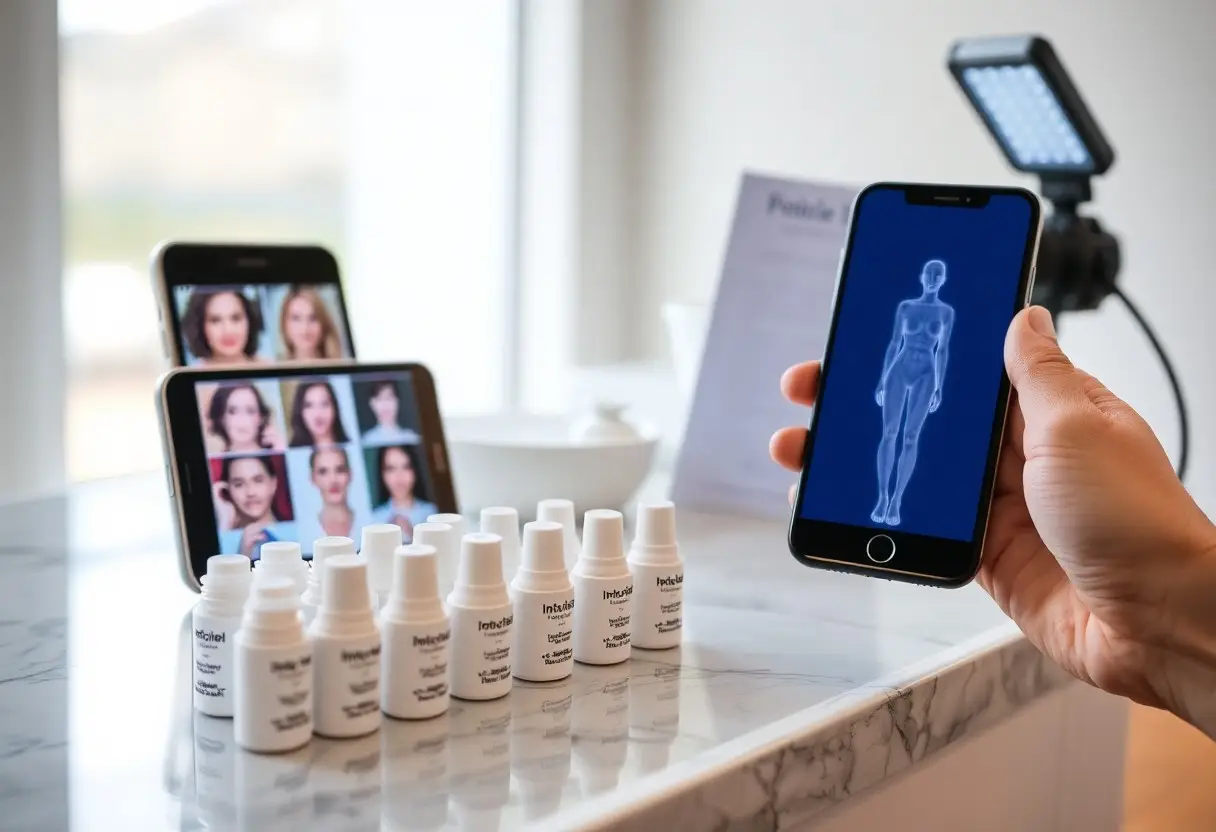
There’s a growing trend toward intimate lightening, driven by personal confidence and aesthetic preferences. You may notice more products and treatments available, reflecting increased demand. Safety is critical-some methods carry risks like irritation or uneven results. Choosing dermatologist-approved options ensures better outcomes, while social influence and media subtly shape perceptions of beauty.
Key Takeaways:
- Changing beauty standards and increased visibility of body positivity have made intimate lightening a more open topic, with more people seeking treatments to feel confident in their skin.
- Social media and celebrity influence play a major role, normalizing the practice and making products and procedures more accessible through targeted advertising and personal testimonials.
- Advancements in skincare formulations and non-invasive treatments have made intimate lightening safer and more appealing, encouraging those who were previously hesitant to explore options.
The Mirror and the Bikini Line
You see it every time you undress-your reflection doesn’t lie. With more skin exposed in swimwear and clothing, the area around your bikini line demands attention. What was once private is now visible, and that shift has changed how you care for it. Lightening intimate areas isn’t just about aesthetics-it’s about feeling confident when the mirror catches more than you expect.
Digital perfection in the palm of your hand
Your phone shows you how others present themselves-flawless, filtered, and seemingly spotless. This constant exposure shapes your standards, even in private areas. When every pore can be zoomed in on, you’re more likely to scrutinize your own skin. The desire for even tone extends beyond the face, reaching places once unseen but now subject to digital scrutiny.
The evolution of grooming rituals
Gone are the days when grooming meant simple hair removal. You now seek smoothness, clarity, and uniformity in areas once ignored. What began as basic hygiene has transformed into a detailed routine, influenced by fashion, media, and accessibility. Your regimen reflects a broader cultural shift-where care goes beyond cleanliness to include appearance and self-expression in every intimate zone.
What you do in private has always been personal, but today’s rituals are shaped by visibility and choice. Waxing, shaving, and depilatory creams laid the foundation, but now you’re adding serums, exfoliants, and lightening products to your routine. This shift isn’t driven by shame-it’s fueled by agency. You’re not just removing hair; you’re curating your skin’s appearance with precision, treating intimate care as an extension of self-care, not secrecy.
Breaking the Silken Silence
You’re no longer expected to whisper about intimate lightening. Once shrouded in secrecy, the topic now appears in wellness forums, dermatology clinics, and social media discussions with growing openness. This shift reflects a deeper cultural change-one where personal care choices are claimed without shame, and silence is no longer the default.
From hushed tones to open clinics
Doctors now field questions about intimate lightening during routine consultations, not as taboo confessions but as legitimate skincare concerns. Clinics offer treatments with medical oversight, replacing risky DIY methods. You’re part of a generation normalizing these conversations, turning what was once private into a matter of informed choice and professional guidance.
The expansion of the vanity map
Your definition of grooming now includes areas once considered too personal to address. Beauty standards are expanding beyond the face and hands, pulling intimate zones into aesthetic attention. This isn’t just about appearance-it’s about how you feel in your skin, and the power of choice in personal presentation.
What was once ignored is now integrated into daily regimens, much like skincare or hair removal. Advertisements, once cautious, now feature inclusive messaging, and product lines have multiplied with clinically tested formulas. You’re witnessing a redefinition of body confidence, where every part of you is seen as worthy of care, not because of pressure, but because you’ve claimed the right to decide.
The Pursuit of Private Confidence
You’re not alone in wanting to feel more at ease in intimate moments. For many, lightening is less about appearance and more about reclaiming personal comfort and emotional balance in private areas that are rarely seen but deeply felt.
Seeking comfort in one’s own skin
Confidence often starts with how you relate to your body. When discoloration causes self-consciousness during personal moments, lightening becomes a way to restore inner calm and feel more aligned with your physical self.
The invisible weight of aesthetics
Societal standards quietly shape how you view your body, even in hidden areas. That subtle pressure can create an emotional burden-one many don’t talk about, yet more are choosing to address through safe, personal care choices.
Beauty norms don’t always announce themselves with slogans or ads; they seep in through glances, comments, or silence. You might not realize how much unseen expectation affects your self-worth until you take a step toward change. Lightening, in this context, isn’t about chasing perfection-it’s about releasing a quiet tension you’ve carried for years. Each choice you make in privacy can be an act of self-recognition, not vanity.
The Science of the Subtle
Lightening in intimate areas relies on how melanin responds to targeted treatments. Your skin’s pigment can be gently reduced with consistent, science-backed methods. Results are often gradual but safer when approached with care. You’re not erasing color-you’re balancing it. This subtle shift aligns with a growing preference for natural-looking outcomes.
Professional lasers and chemical peels
Lasers target melanin with precision, offering noticeable results in fewer sessions. Chemical peels exfoliate deeper layers, encouraging renewed skin. These treatments carry risks if done improperly, so choosing a qualified provider is vital. You’ll see improvement over weeks, not days, and must follow aftercare strictly to avoid complications.
Over the counter curiosities
Products like creams and serums promise lightening with ingredients such as kojic acid or niacinamide. They’re accessible and non-invasive, making them a popular starting point. Results vary widely, and some formulas may irritate sensitive skin. You must read labels carefully and patch-test before use.
Many over-the-counter options contain mild active ingredients that work slowly over time. You might notice subtle changes after several weeks of daily use. Some products include fragrances or alcohol that can cause redness or discomfort, especially in delicate areas. Dermatologists often recommend sticking to fragrance-free, hypoallergenic formulas to minimize adverse reactions while still achieving a more even tone.
A Global Shift in Perspective
Beauty norms are evolving, and you’re part of this transformation. What was once considered a private concern is now discussed openly, shedding stigma. You’re seeing more acceptance of intimate lightening as personal choice, not taboo. This shift reflects broader cultural progress toward body autonomy and self-expression.
Cross cultural beauty standards
Different cultures have long held varied ideals around skin tone and grooming. You may notice that in some regions, lighter intimate areas are linked to purity or youth. These beliefs, while deeply rooted, are now being questioned. What was once enforced by tradition is now being reevaluated through personal preference.
The influence of the digital age
Social media exposes you to curated images where smooth, even-toned skin is often highlighted. Influencers and beauty trends spread fast, shaping desires in real time. Unspoken standards gain visibility-and legitimacy-through endless scrolling. You’re not just observing these ideals; you’re invited to participate.
Algorithms amplify what gets attention, and visually uniform skin often does. You’re constantly fed content that normalizes treatments once considered niche. Online communities offer testimonials that feel personal and trustworthy, blurring the line between advice and advertising. This constant exposure quietly reshapes your sense of normalcy-and what you feel compelled to do about it. The digital space doesn’t just reflect trends; it accelerates them.
To wrap up
Taking this into account, you’re seeing more people choose intimate lightening because it aligns with personal grooming standards and cultural aesthetics. Social influence, increased product availability, and open conversations around body confidence drive your interest. These factors together make the practice more accessible and socially accepted for those seeking it.