
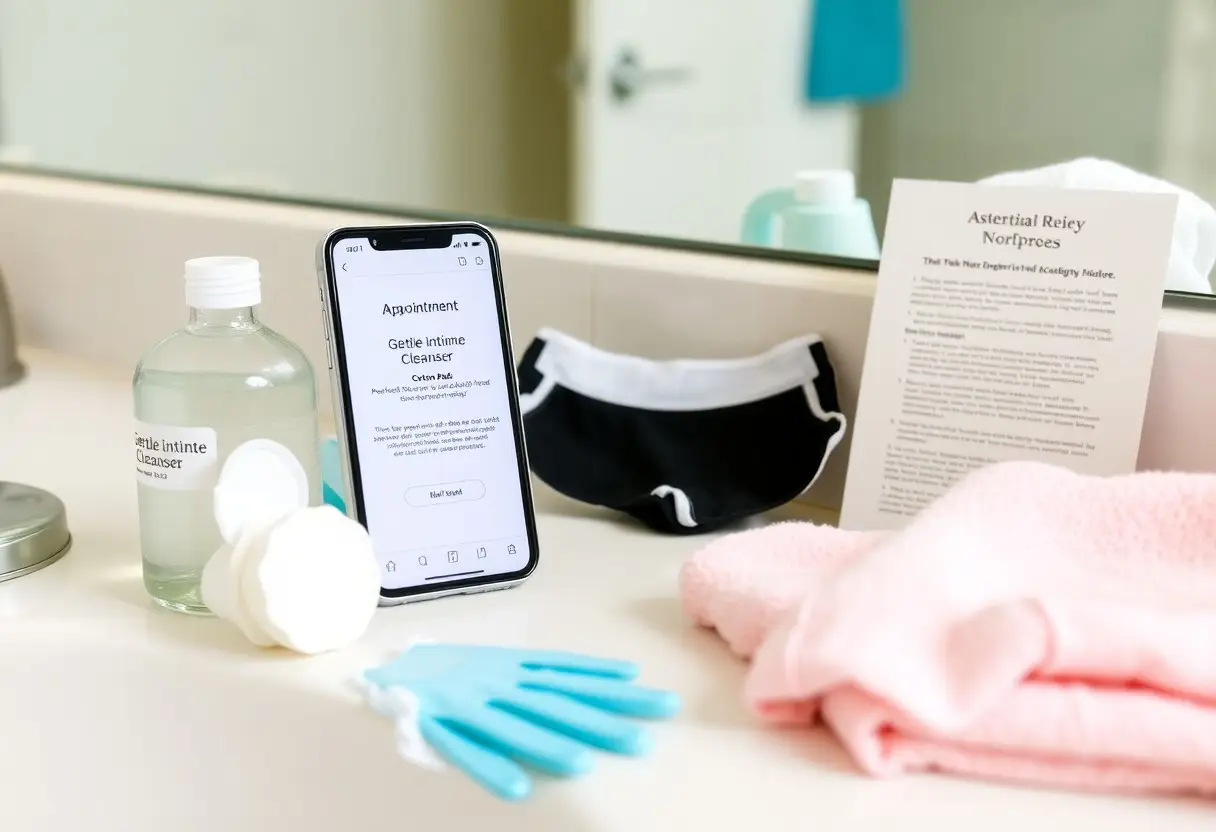
Just knowing what to expect can make your vagacial experience safe and effective. Avoid shaving or waxing at least 48 hours before to prevent irritation. Do not apply fragranced products or use active ingredients like retinoids. Inform your esthetician of any infections or skin conditions-this protects your health. Arrive clean and ready for a refreshing, confidence-boosting treatment.
Key Takeaways:
- Shave or trim the area 24 to 48 hours before your appointment to reduce skin irritation and allow the technician to work more effectively.
- Avoid sun exposure, tanning beds, and harsh skincare products like retinoids or acids for at least three days prior to your session to minimize sensitivity and lower the risk of adverse reactions.
- Communicate openly with your provider about your medical history, current medications, and any skin conditions to ensure the treatment is safe and tailored to your needs.
The Grooming Timeline
Timing shapes your Vagacial results more than you might expect. Begin adjusting your routine at least 48 hours before your appointment to prevent irritation and allow your skin to stabilize. Avoid waxing, shaving, or using depilatory creams in the 24 hours leading up to your session for optimal skin calmness and treatment effectiveness.
Coordinating Hair Removal
Shaving too close to your appointment can leave micro-abrasions that increase sensitivity. Complete any hair removal at least 24-48 hours in advance so your skin has time to recover. This simple delay reduces the risk of stinging or redness during exfoliation and ensures a smoother, safer experience.
The Pre-Visit Polish
Cleansing is your final step before arrival. Use a gentle, fragrance-free wash the morning of your Vagacial to remove surface oils without stripping moisture. Skip scrubs, acids, or perfumed products-they can trigger reactions when combined with professional treatments.
Your skin absorbs everything it’s exposed to in the hours before a Vagacial. Applying lotions, oils, or deodorants may interfere with product performance or cause unwanted sensitivity. Show up with clean, bare skin-this small act ensures your provider can work safely and effectively, giving you the best possible outcome.
Dressing for the Occasion
Choose clothing that’s easy to remove and comfortable to recline in. You’ll want to feel at ease during your vagacial, and loose-fitting fabrics help prevent irritation post-treatment. Avoid tight underwear or restrictive bottoms that could rub the area afterward.
The Cotton Commandment
Cotton underwear is your best choice before and after the appointment. This breathable fabric reduces moisture buildup and lowers the risk of irritation or infection. Skip synthetic materials that trap heat and disrupt your skin’s natural balance.
Embracing the Oversized
Opt for oversized pants or skirts to wear home. These garments won’t cling or press against treated skin, allowing for maximum comfort and healing. Tight waistbands can cause friction, which may undo the benefits of your treatment.
Wearing loose, flowing clothing after your vagacial isn’t just about comfort-it supports the skin‘s recovery process. When fabric doesn’t cling or constrict, airflow increases and inflammation decreases. Think of it as giving your skin space to breathe and heal properly, especially after exfoliation or extractions.
The Clean Slate Policy
Arriving with bare skin ensures your vagacial starts on the safest note. Skipping makeup, lotions, or oils prevents product interference and reduces irritation risks. This clean canvas allows your esthetician to assess your skin accurately and apply treatments effectively. Respect this step-it’s foundational to your results.
Ditching the Fragrance
Perfumed products can trigger severe sensitivity or allergic reactions in delicate intimate areas. You must avoid scented soaps, body sprays, or wipes before your appointment. These additives do more harm than good, disrupting your skin’s balance. Stick to fragrance-free, gentle cleansers only.
Simplified Rinsing Rituals
Use only lukewarm water and a mild, non-abrasive cleanser the night before. Over-washing or using exfoliants can compromise your skin barrier. This minimal approach keeps your pH stable and prevents inflammation. Simplicity here protects your skin’s health and enhances treatment success.
Over-cleansing strips natural oils and invites irritation, especially in sensitive zones. A single rinse with a soap-free, pH-balanced cleanser maintains your skin’s integrity without disruption. This gentle prep ensures your vagacial can target concerns like ingrown hairs or discoloration without battling prior product buildup or micro-tears from harsh scrubbing.
Esthetician Etiquette
Treat your esthetician like a trusted health partner. Clear communication and honesty shape your results. You’re in control of the experience-voice concerns, ask questions, and expect professionalism. Respect starts both ways, and open dialogue ensures a safe, effective treatment.
Speaking Your Truth
Honesty builds the foundation of your care. Share how you feel about your skin, past treatments, and expectations. If something worries you, say it. Your esthetician can only help when they know the full picture. Speaking up protects your skin and improves outcomes.
Disclosing Topical History
Reveal every product you apply, including serums, retinoids, and acne treatments. Some ingredients increase skin sensitivity or react poorly during exfoliation. Failing to mention actives like retinol or acids can lead to burns or irritation. Transparency keeps your treatment safe.
Your topical routine may include ingredients that seem harmless but carry risk during professional treatments. Even over-the-counter products like vitamin C or exfoliating toners can compromise your skin’s barrier when combined with clinical-grade procedures. Disclosing everything-frequency, concentration, and timing-helps your esthetician adjust techniques to prevent damage. This step isn’t optional; it’s your best defense against adverse reactions.
Navigating Your Cycle
Your menstrual cycle plays a direct role in how your skin reacts during a vagacial. Hormonal shifts can influence sensitivity, oil production, and inflammation levels. Timing your appointment around these changes helps reduce discomfort and improves results. Choosing the right phase in your cycle makes a noticeable difference in your experience and outcome.
Handling Heightened Sensitivity
You may experience increased tenderness in the genital area just before or during your period. This is due to natural hormonal fluctuations that heighten nerve response. Booking your vagacial when sensitivity is lower reduces the risk of irritation or pain. Plan accordingly to ensure a more comfortable session.
The Mid-Month Advantage
Ovulation typically occurs around day 14 of your cycle, when estrogen peaks and skin tends to be more resilient. This phase offers the best balance of hydration, healing, and reduced sensitivity. Scheduling your vagacial during this window often leads to smoother treatment and better results.
During ovulation, your body’s natural repair processes are at their peak, making it an ideal time for skin treatments. Estrogen enhances collagen production and strengthens the skin barrier, which means your vulvar skin can tolerate cleansing, extractions, and serums more effectively. You’re less likely to experience adverse reactions, and the benefits of your vagacial may last longer when timed with this part of your cycle.
Physical Prime Preparation
Hydrate your skin from within by drinking at least eight glasses of water daily in the 72 hours before your vagacial. Proper hydration boosts skin elasticity and helps your esthetician extract impurities with less discomfort. Avoid alcohol and excess caffeine, as they can dehydrate sensitive tissue and increase irritation risk during treatment.
Sipping for Skin Elasticity
Water isn’t just for hydration-consistent intake improves your skin’s resilience. When you drink enough, your vulvar skin responds better to cleansing and extractions. You’ll experience fewer micro-tears and reduced redness because well-hydrated tissue is more supple and forgiving during exfoliation.
The Pre-Spa Sweat Hiatus
Sweat can trap bacteria and compromise your skin’s cleanliness before treatment. Stop intense workouts 24 hours prior to your appointment. Skipping the gym prevents breakouts and irritation by keeping the area free from friction, moisture, and potential follicle clogging right before your session.
Your vulvar skin is highly absorbent and sensitive to environmental factors. When you exercise, tight clothing and sweat create a breeding ground for bacteria in the folds. By pausing workouts a day before your vagacial, you allow the skin to return to its natural pH and minimize the chance of inflammation or infection. This small pause makes a noticeable difference in treatment safety and results.
Summing up
With these considerations in mind, you’re better prepared for your Vagacial appointment. Understanding hygiene practices, avoiding irritants beforehand, and communicating your skin concerns directly with your provider ensures a safe, effective treatment tailored to your needs. You now know what to expect and how to support your skin’s health before and after the session.