
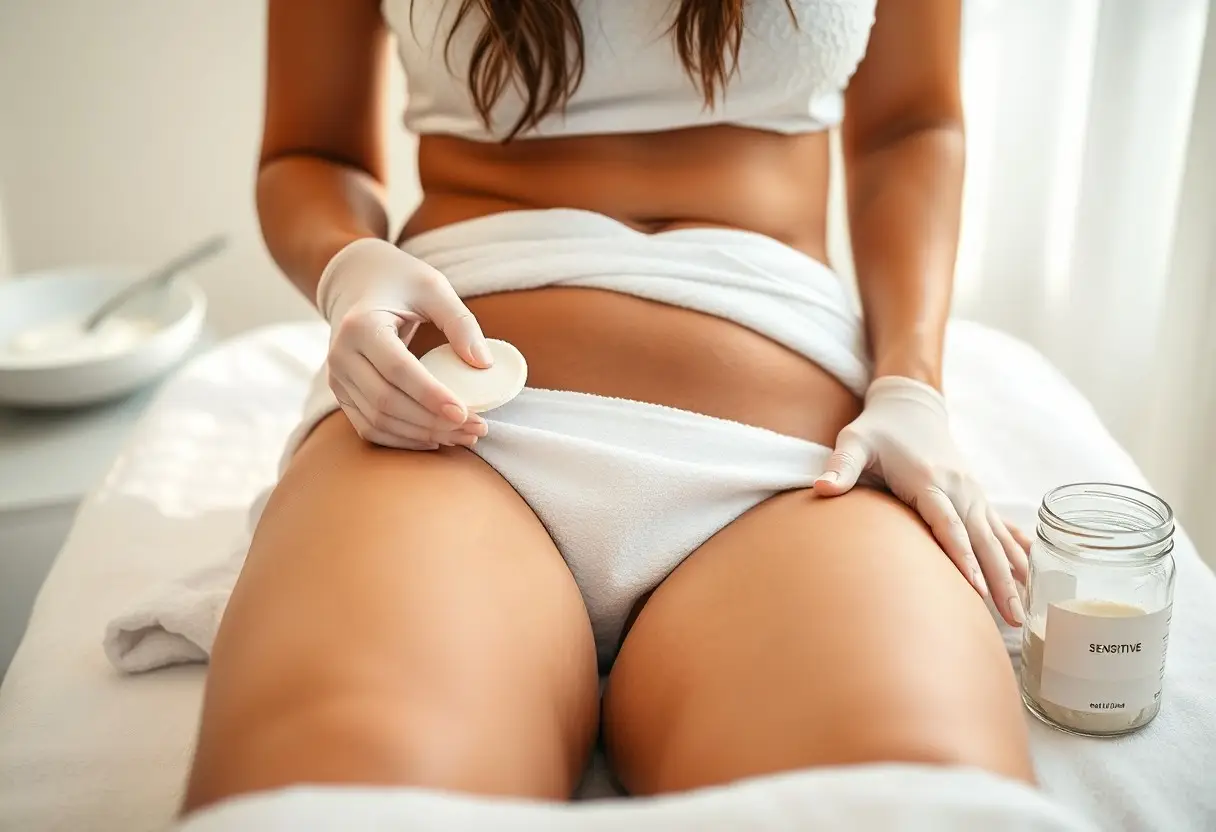
Sensitivity in your intimate area requires careful consideration before trying any new treatment. A vagacial may offer noticeable soothing benefits, but harsh ingredients or improper technique can cause irritation or burns. You must consult a qualified professional and ensure all products used are specifically formulated for delicate skin to avoid adverse reactions.
Key Takeaways:
- A vagacial can be safe for sensitive skin if performed by a trained professional using gentle, non-irritating products tailored to delicate areas.
- Redness or irritation may occur in sensitive individuals, so patch testing and avoiding harsh exfoliants or fragrances during the treatment is crucial.
- Consulting with a dermatologist or licensed esthetician beforehand helps determine if a vagacial suits your skin type and addresses any underlying concerns like folliculitis or eczema.
The Lowdown on the Below-the-Belt Facial
You’ve likely heard of facials for your face, but intimate skin deserves care too. A vagacial targets the delicate vulvar area, focusing on cleansing, exfoliation, and hydration. It’s designed to soothe irritation, reduce ingrown hairs, and support overall skin health-especially if you shave, wax, or have sensitive skin.
What we talk about when we talk about maintenance
Your routine doesn’t end after one treatment. Consistency keeps results stable and prevents irritation. Gentle cleansing, fragrance-free products, and regular exfoliation-when appropriate-help maintain balance. Overdoing it, though, can damage your skin’s protective barrier, so moderation is key for long-term comfort and clarity.
The rise of the intimate skin ritual
More people are prioritizing self-care below the waist. This shift reflects a broader acceptance of intimate wellness as part of daily beauty and health. Once taboo, these rituals are now seen as normal, empowering, and necessary-especially for those with sensitive skin seeking comfort and confidence.
Intimate skin rituals have evolved from whispered secrets to mainstream practice, driven by education and inclusivity. Brands now formulate products specifically for delicate areas, and professionals are trained to treat them safely. You’re not alone in wanting comfort, clarity, and care-this movement validates your needs without shame or stigma.
The Sensitive Soul and the Vulva
Your vulva speaks in whispers-tightness, heat, a faint pink flare-and you’ve learned to listen. This delicate area mirrors your emotional state, reacting sharply to stress, hormones, or harsh ingredients. When sensitivity flares, even water can sting. Respect its fragility as you would a trusted confidant, because soothing care begins with awareness, not aggression.
Identifying the prone-to-pout complexion
Redness blooms after cleansing, itching follows shaving, and certain fabrics feel like sandpaper. Your skin protests with every new product, often within minutes. Stinging, flushing, or persistent dryness are telltale signs you’re dealing with a reactive terrain. You don’t need a diagnosis to know your skin is wired to overrespond-its reactions are loud and clear.
Why some skin refuses to cooperate
Genetics load the gun, but environment pulls the trigger. A compromised moisture barrier lets irritants slip through like uninvited guests. Even gentle acids or natural extracts can ignite inflammation when the skin’s defense is down. Your skin isn’t misbehaving-it’s defending itself the only way it knows how.
Every reaction you experience stems from a protective instinct gone hyper-vigilant. Nerve endings in sensitive zones are densely packed, making them quicker to signal distress. When your skin barrier lacks ceramides or fatty acids, it can’t retain moisture or block irritants. This creates a cycle: dryness leads to irritation, irritation invites inflammation, and inflammation weakens the barrier further. Using overly active or fragranced products worsens the loop, which is why minimalist, pH-balanced formulas are non-negotiable for calm.
Ingredients That Won’t Cause a Scene
Choosing the right components in your vagacial ensures calm, not chaos. Gentle, non-irritating ingredients like aloe vera and chamomile soothe while protecting your skin’s delicate balance. You’ll avoid redness and discomfort by skipping harsh additives. Your skin responds best when treated with care and simplicity.
The virtues of aloe and chamomile
Aloe delivers instant cooling relief and helps retain moisture without clogging pores. Chamomile contains natural anti-inflammatory compounds that reduce sensitivity and calm reactive skin. Together, they create a protective, healing layer that respects your skin’s thin, delicate nature. You’ll feel soothed, not stripped.
Steering clear of the harsh exfoliants
Physical scrubs and strong acids can damage the vulvar skin’s barrier, leading to irritation or infection. You don’t need aggressive exfoliation-this area sheds cells naturally. Opt for enzymatic exfoliants only if necessary, and even then, use them sparingly. Gentleness is your best strategy.
Harsh exfoliants like walnut shell powders or glycolic acid at high concentrations disrupt the pH and microflora of your intimate area. Since this skin lacks oil glands and is highly permeable, it absorbs irritants quickly. Microtears from scrubbing can invite bacteria and cause long-term sensitivity. You’re better off embracing mild, enzymatic options like papaya extract-only when your skin truly needs renewal.
The Esthetician Interview Process
Choosing the right esthetician can make all the difference when you have sensitive skin. You need someone who listens, adapts, and respects your skin’s limits. A quick consultation before treatment reveals more than a resume ever could-ask about their experience with reactive skin and how they adjust their methods. Your comfort and safety should always come first.
Questions to ask before the steam starts
You deserve clear answers before any product touches your skin. Ask what products they plan to use, whether they’re fragrance-free, and if they’ve worked with clients who have conditions like rosacea or eczema. A professional will welcome your questions and explain each step without rushing you.
Insisting on the mandatory patch test
You must insist on a patch test-even if the esthetician says it’s unnecessary. Sensitive skin can react unpredictably, and a small test on your jawline could prevent a full-face reaction. No treatment is worth a flare-up, and any reputable provider will respect your caution.
Sensitive skin often reacts to ingredients that seem harmless, like chamomile or aloe, which are still allergens for some. A patch test isn’t just a formality-it’s your first line of defense. Apply the product 24-48 hours before the full treatment and monitor for redness, itching, or swelling. This simple step can prevent painful inflammation or long-term sensitivity, especially when trying new serums or enzymes during a vagacial.
The Aftermath of the Appointment
You’ll likely notice mild redness or sensitivity immediately after your vagacial, which is normal. Most reactions subside within hours, especially if you follow post-care instructions. Avoid heat, friction, and scented products to prevent irritation. Your skin may feel refreshed, but patience is key-don’t rush into active treatments or tight clothing.
Soothing the area without the drama
Reach for a fragrance-free, calming gel with aloe or centella asiatica to cool the skin. Steer clear of ice or heavy creams that can trap heat or clog pores. A gentle touch goes a long way-apply with clean fingertips using light pressure. This simple step helps reduce inflammation without overloading sensitive tissue.
Choosing cotton over vanity
Opt for loose, 100% cotton underwear in the days following your treatment. Synthetic fabrics can trap moisture and cause irritation, undermining your results. Letting the area breathe supports healing and minimizes friction. Comfort isn’t a compromise-it’s part of the care.
Wearing cotton isn’t just about softness-it’s a functional choice that supports your skin’s recovery. Unlike polyester or lace, cotton allows airflow and reduces sweat buildup, lowering the risk of folliculitis or yeast imbalances. This small habit makes a meaningful difference, especially if you’re prone to irritation. Let practicality guide your choices, not aesthetics.
To wrap up
With these considerations, you can see that a vagacial may be suitable for sensitive skin if performed by a trained professional using gentle, non-irritating products. Your skin’s reaction depends on proper aftercare and avoiding harsh ingredients. You should always consult with a dermatologist or licensed esthetician beforehand to ensure safety and comfort.