
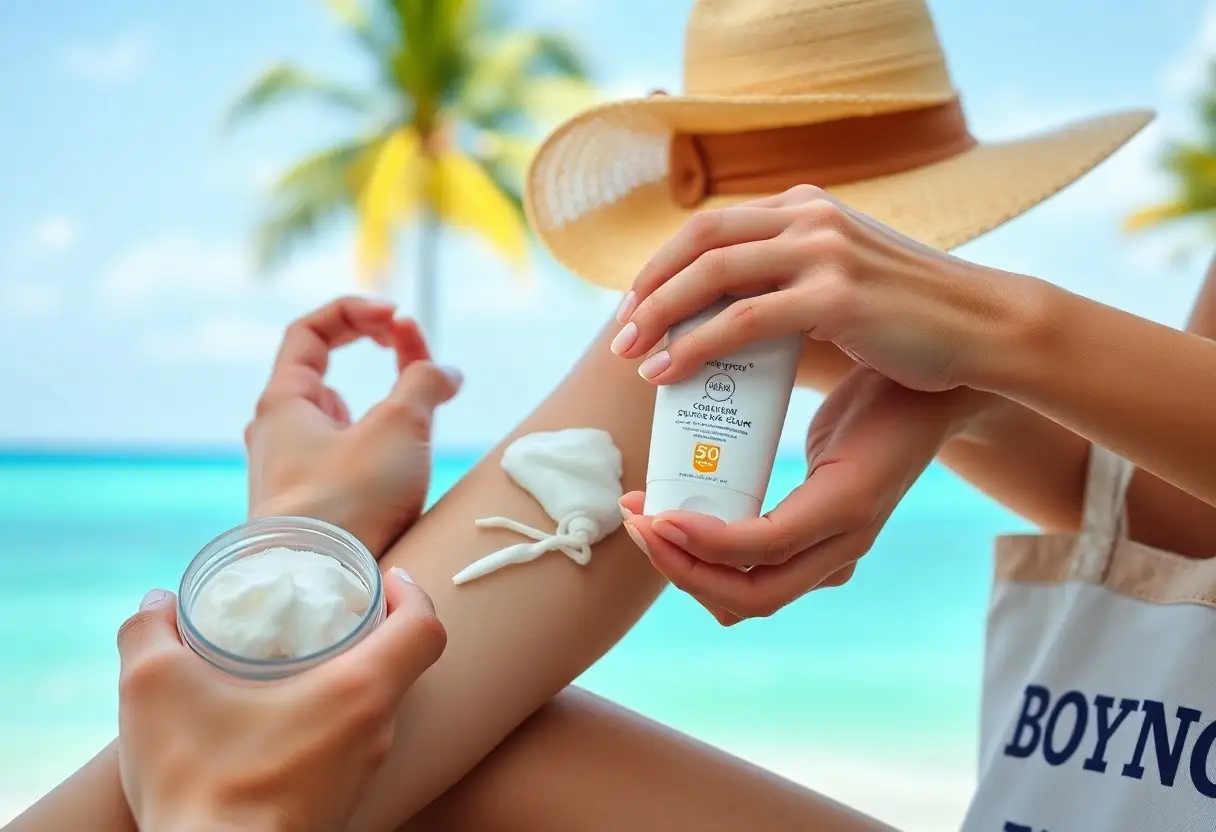
Over a few days you should exfoliate gently, hydrate and apply broad-spectrum sunscreen to prevent sunburn and achieve smoother skin for your Boynton Beach day.

Key Takeaways:
- Exfoliate gently 24-48 hours before beach day using a mild scrub or a chemical exfoliant (AHA/BHA) to remove dead skin and smooth texture; avoid harsh scrubs on sunburned or sensitive areas.
- Moisturize and hydrate with a lightweight lotion or oil right after showering, choosing products with hyaluronic acid or glycerin; allow 20-30 minutes before sunscreen application.
- Apply broad-spectrum sunscreen SPF 30+ for Boynton Beach sun and reapply every two hours; for last-minute smoothing, use a body primer, light body oil, or tinted moisturizer to blur imperfections and reduce sand friction.
Assessing Boynton Beach Environmental Factors
Local Boynton Beach humidity and salt air raise oil, clog pores, and dry your skin, shaping how you prep for a beach day. This smoother skin plan focuses on cleansing, hydration, and sun protection.
- High humidity: increases oil buildup
- Salt air: causes dehydration
- UV exposure: accelerates damage
Impact of high humidity on pore congestion
Humidity traps sweat and oil, increasing pore congestion; you should use lightweight, non-comedogenic cleansers and exfoliate gently to reduce breakouts.
Managing salt air exposure and skin dehydration
Salt draws moisture from your skin, promoting dehydration and irritation; you should rinse away salt, apply a hydrating serum, then seal with a moisturizer to restore barrier function.
After sea exposure, rinse thoroughly with fresh water and a gentle cleanser to remove salt; then pat your skin dry without rubbing. You should apply a hyaluronic acid serum to damp skin, follow with a moisturizer containing ceramides or glycerin, and use a light occlusive at night to lock in hydration. Wear broad-spectrum SPF during daytime.
How to Exfoliate for a Radiant Surface
Keep exfoliation to 1-3 times weekly based on your skin; pick gentle acids or soft scrubs for body use. Use light pressure and finish with hydrating lotion. Avoid over-exfoliation that causes irritation and always apply broad-spectrum SPF before heading to the beach for visibly smoother skin.
Selecting between chemical and physical exfoliants
Choose chemical exfoliants like AHAs for texture and BHAs for clogged pores when you want even results; select gentle physical scrubs only if your skin tolerates abrasion. Avoid harsh, jagged particles that cause microtears, and always patch-test new products before full-body use near the beach.
Proper techniques for smoothing rough elbows and knees
Gently soak the area, then exfoliate with a pumice, sugar scrub, or low-strength acid using circular motions; stop if you notice irritation. Follow with a thick emollient and, when you’re exposed, apply broad-spectrum SPF. Do not exfoliate broken or inflamed skin to prevent infection and worsening roughness.
Apply a 5-10 minute warm soak to soften thick skin, then gently use lactic acid (5-10%) or 1-2% salicylic options if you tolerate acids; limit treatments to 1-2 times weekly. Seal moisture with a rich cream or petrolatum overnight and avoid treating cracked or bleeding skin to prevent infection and prolonged irritation.
Intensive Hydration Tips for Coastal Climates
Hydrate intensely before sun exposure to keep smoother skin and combat coastal drying. Quick tips:
- Drink water
- Use a humectant
- Seal with light oil
Assume that you reapply moisturizers after swimming and exfoliation to lock in hydration.
Utilizing hyaluronic acid for deep moisture retention
Apply hyaluronic acid to damp skin so you capture coastal moisture; then you follow with a cream to lock in hydration without sticky residue.
Choosing lightweight, non-comedogenic body oils
Select lightweight, non-comedogenic body oils so you hydrate without clogging pores; apply after moisturizing to seal moisture while avoiding breakouts.
Opt for fast-absorbing oils like squalane, grapeseed, or jojoba so you get lasting softness without pore blockage; avoid coconut oil, which commonly clogs pores and causes breakouts. You should apply oils over damp lotion, do a patch test, and choose sunscreen-compatible formulas for beach days.
How to Optimize Hair Removal Results
Prioritize timing and skin prep to get smoother results: if you wax, give yourself at least 48 hours before sun or saltwater; if you shave, hydrate and use a sharp blade. Check more tips at How to Keep Your Skin in Top Shape While at the Beach.
Timing your shave to avoid saltwater irritation
Shave the night before to let any small nicks calm and your skin recover; if you shave the same day, use a fresh razor and rinse with cool water to reduce irritation before saltwater exposure.
Post-waxing protocols to prevent beach-day redness
Apply a cool compress, gentle aloe gel, and fragrance-free moisturizer after waxing, and you should avoid exfoliation or sun exposure for 48 hours to prevent redness before your beach day.
Aftercare dictates rinsing with cool water, patting dry, and applying a soothing, fragrance-free gel; you should avoid hot showers, saunas, swimming, and heavy sweating for 48-72 hours to reduce swelling and infection risk. Wear loose clothing, skip exfoliation for three days, and seek medical attention if you see spreading redness, pus, or severe pain.
Lifestyle Factors Influencing Skin Texture
Sunlight, sleep quality, smoking and stress alter your skin texture, so adjust routines before a beach day. Assume that prioritizing sleep and cutting alcohol lowers roughness and sunburn risk.
- smoother skin
- hydration
- Boynton Beach
- skin texture
Hydration requirements for the Florida heat
Drink steadily through the day in Florida heat, aiming for extra fluid intake and electrolyte-rich drinks to prevent dehydration and keep your skin from becoming dry and flaky.
Dietary antioxidants that support skin elasticity
Include foods rich in vitamin C, E and polyphenols to support your collagen and reduce oxidative damage; choose berries, nuts and leafy greens.
Eating a mix of vitamin C-packed citrus and bell peppers, vitamin E from almonds or sunflower seeds, and polyphenol-rich berries helps preserve collagen and skin elasticity; you can add a green smoothie or a handful of nuts as a pre-beach snack, and avoid processed sugars that accelerate connective tissue breakdown.
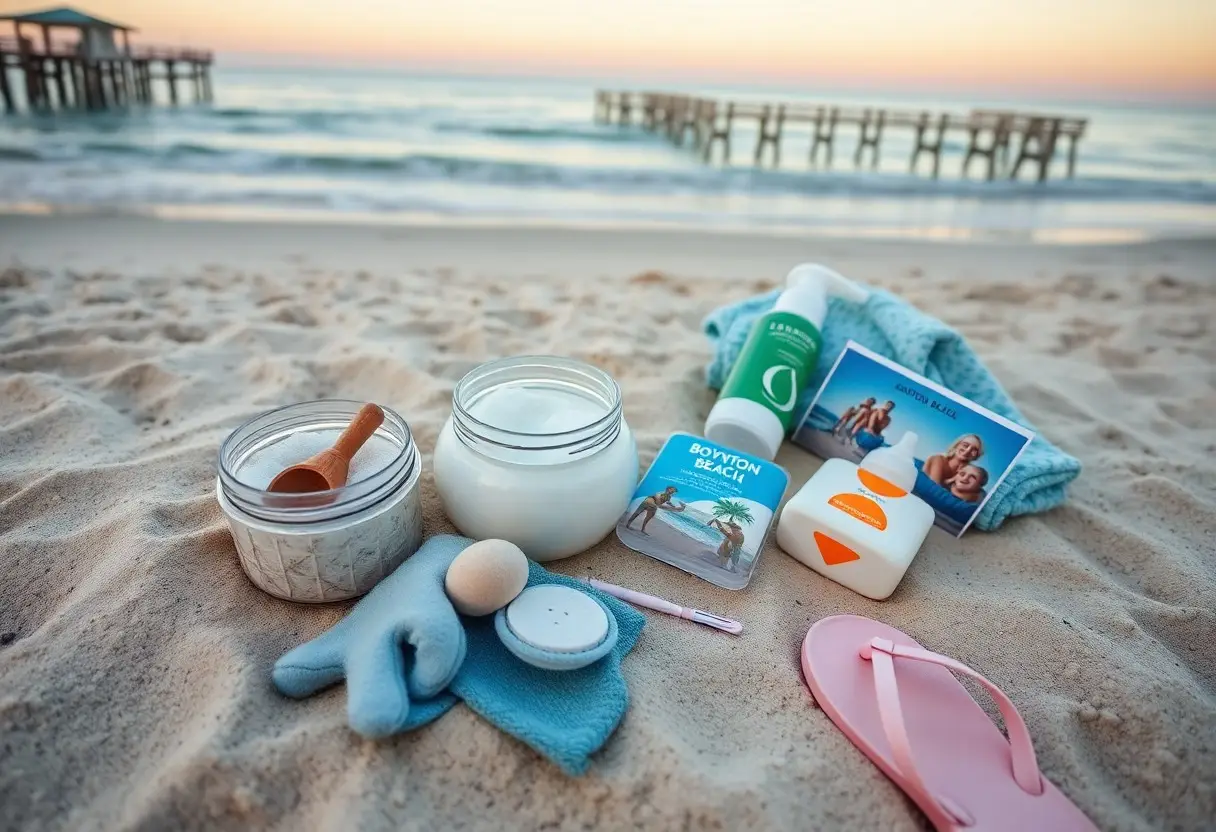
Protective Tips for Maintaining Smoothness in the Sand
Protective steps keep your smoother skin in Boynton Beach sand: hydrate, reapply sunscreen, and cover up.
- broad-spectrum SPF
- barrier creams
Any lapse increases sunburn and chafing risk.
Application of broad-spectrum SPF to prevent sun damage
Apply a broad-spectrum SPF 30+ 15 minutes before sun exposure, and reapply every two hours or after swimming to prevent sunburn and premature aging.
Using barrier creams to minimize sand friction and chafing
Use a thin layer of barrier creams on high-friction areas to reduce sand abrasion and soothe your skin while you relax.
Choose silicone- or petrolatum-based barrier creams for durable protection, apply sparingly to your thighs, underarms, and swimsuit lines before sand contact, reapply after water exposure, avoid applying to open cuts because infection risk increases, and test on a small patch to check for irritation.
Final Words
With this in mind, you should exfoliate gently, moisturize, shave or wax a day early, apply broad-spectrum SPF, and drink water to reveal smooth, sun-ready skin for your Boynton Beach day.