

Most you should avoid direct sun, hot tubs, exfoliation, sweaty exercise and tight clothing to lower risk of infection; instead apply a cool compress and gentle moisturizer to soothe skin.
Key Takeaways:
- Sun and tanning: Avoid direct sun, tanning beds, and self-tanners for 48 hours to reduce the risk of irritation, sunburn, and post-inflammatory hyperpigmentation.
- Heat and sweating: Avoid hot showers, saunas, steam rooms, and vigorous exercise for 24 hours to prevent inflammation and clogged pores.
- Touching, tight clothing, and harsh products: Keep the area clean and dry, wear loose breathable clothing, and avoid exfoliants, scented lotions, pools/hot tubs, and picking at skin for 24-48 hours to lower infection and irritation risk.
Immediate Heat and Friction Constraints
Heat exposure and friction amplify irritation on freshly waxed skin, so you should avoid activities that raise temperature or rub the area. Avoid hot tubs, intense workouts, and abrasive fabrics for 24-48 hours to lower swelling and infection risk.
Avoiding Hot Baths, Showers, and Saunas
Skip hot baths, steamy showers, and saunas for 24-48 hours after waxing; you should avoid them because they increase blood flow and raise your risk of irritation and infection. If you must shower, use lukewarm water and pat skin dry.
Steering Clear of Tight-Fitting Synthetic Clothing
Avoid tight synthetic garments that cling, trap sweat, and rub against fresh wax; you risk clogged follicles and painful ingrown hairs. Favor loose cotton or linen until redness subsides.
Wear breathable natural fibers and looser fits for at least 48 hours; this reduces friction, lets your pores recover, and lowers infection and ingrown hair chances. Change out of sweaty clothing promptly.
Physical Activity and Sweat Management
Limit strenuous activity for 24-48 hours after waxing to reduce sweat and friction; if you sweat, gently cleanse the area and pat dry. Wear loose, breathable clothing and avoid pools or hot tubs to lower the infection risk.
Postponing High-Intensity Gym Workouts
Postpone high-intensity gym sessions for at least 24 hours; heavy sweating increases irritation and can pull at sensitive follicles. Choose light stretching or walking until the skin calms, and wear clean, moisture-wicking fabrics.
The Risks of Excessive Perspiration on Open Pores
Avoid excessive perspiration immediately after waxing because bacteria and debris can enter open pores, causing redness, bumps, or infection; cool showers and gentle cleansing reduce this risk.
You should gently pat the area clean, avoid scrubbing, and apply a cool compress; if you see increasing redness, swelling, pain, or pus, contact your esthetician or a provider-these are signs of infection that may need treatment.

Aquatic and Environmental Exposure
After your wax in Boynton Beach, you should avoid direct contact with pool and ocean water for at least 24-48 hours to prevent infection and irritation.
Avoiding Chlorine in Pools and Saltwater at Boynton Beaches
Chlorine in pools and saltwater at Boynton beaches can sting newly waxed skin; you should skip swimming for 24-48 hours to reduce burning, inflammation, and infection.
Protecting Sensitive Skin from Direct UV Rays and Tanning Beds
Shield your freshly waxed skin from direct sun and tanning beds for at least 48 hours to avoid painful burns and dark spots.
You should apply a broad-spectrum sunscreen (SPF 30+) on surrounding skin, wear breathable clothing, and avoid tanning beds for at least 48-72 hours to reduce pigmentation and prolonged sensitivity. Use cool compresses and fragrance-free aloe or healing ointments if irritation occurs, and contact a professional for persistent redness or pustules.
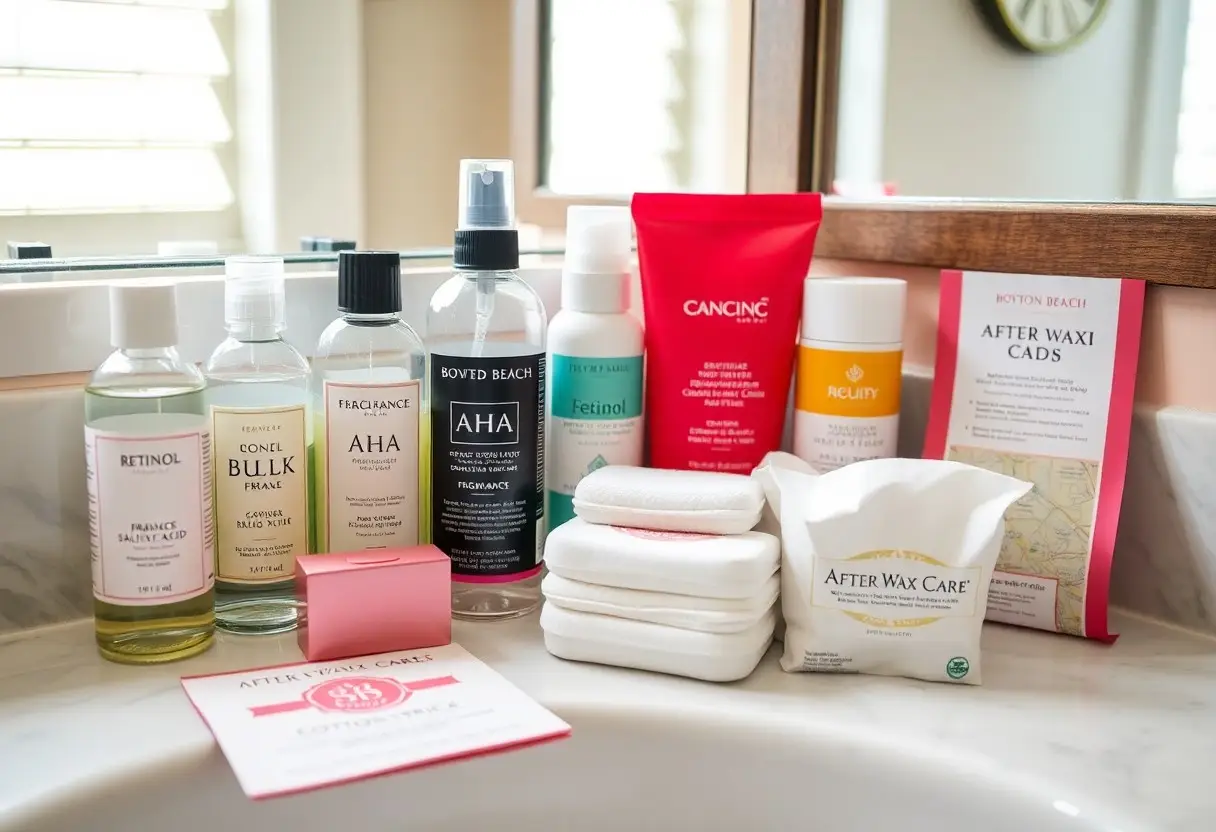
Topical Products and Chemical Irritants
Avoid applying strong cosmetics after waxing; you should skip alcohol-based and fragranced products that can sting, dry, and inflame freshly waxed skin, increasing risk of infection.
Eliminating Alcohol-Based Deodorants and Fragrances
Skip alcohol-based deodorants and perfumed lotions for 24 to 48 hours after waxing; they often cause severe stinging, redness, and folliculitis on newly exposed pores.
Pausing the Use of Harsh Chemical Exfoliants and Retinols
Hold off on chemical exfoliants and retinols for several days after waxing since they heighten sensitivity and can lead to chemical burns and prolonged irritation.
Wait at least 48 to 72 hours or until redness subsides before using AHAs, BHAs, or retinoids; when you resume, patch-test, use lower strengths, and apply broad-spectrum sunscreen to avoid increased sun sensitivity and hyperpigmentation.
Mechanical Irritation and Grooming Mistakes
Avoid rubbing, tight clothing, or vigorous exfoliation after waxing; you can irritate follicles and create open follicles that raise your risk of infection or prolonged redness.
Resisting the Urge to Touch or Pick the Treated Area
Keep your hands off the treated skin; touching or picking transfers bacteria and delays healing, increasing your chance of ingrown hairs and infection.
Why Shaving Between Waxing Sessions is Counterproductive
Shaving between waxes removes hair at the surface, leaving you with thicker stubble, uneven regrowth, and shorter-lasting results.
When you shave between waxing sessions, you blunt the hair shaft and encourage coarser regrowth, which makes future waxes less effective and raises your risk of ingrown hairs and skin trauma. You should let hair reach the recommended length so your technician can remove it cleanly for smoother, longer-lasting results.
Professional Aftercare Protocols
Clinic instructions help prevent complications; follow the post-wax sheet and consult Waxing Aftercare: The Complete Guide to Post-Wax Pampering for detailed steps. You should avoid heat, tight clothing, and sun exposure for 24-48 hours, and apply gentle antiseptic if advised.
Proper Timing for Resuming Manual Exfoliation
Wait at least 48-72 hours before you resume manual exfoliation; aggressive scrubs can cause irritation or infection and hinder healing.
Recognizing Signs of Abnormal Skin Reactions
Watch for increasing pain, spreading redness, pus, fever, or swollen lymph nodes; these are danger signs and you should contact your waxer or a clinician immediately.
Observe your skin for worsening symptoms over 24-72 hours; increasing redness that expands beyond the waxed area, persistent or thick yellow discharge, new blisters, or systemic symptoms like fever may indicate a possible infection. If you notice intense swelling, difficulty breathing, or rapid spreading rash you should seek emergency care for a suspected allergic reaction. If unsure, contact your esthetician for guidance, avoid picking the area, and use a cool compress or recommended antiseptic until you see a professional.
To wrap up
From above you should avoid sun exposure, hot baths, intense exercise, scented products, and tight clothing for 24-48 hours after a body wax in Boynton Beach to prevent irritation and infection.