
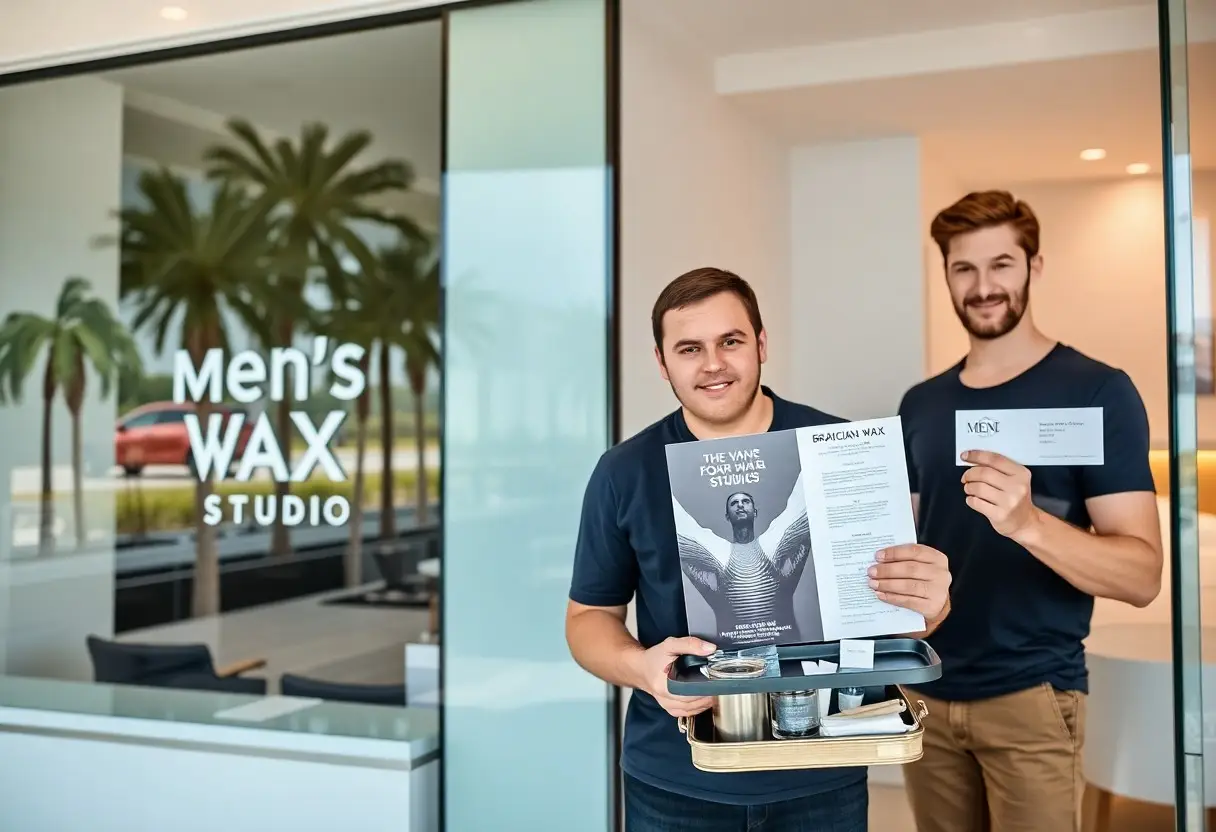
Boynton Beach appointments for a men’s Brazilian wax require you to know prep steps, potential pain and infection risks, and aftercare to achieve long-lasting smoothness.
Key Takeaways:
- Trim hair to about 1/4 inch and arrive showered; avoid applying lotions or products to the area before your appointment.
- Service typically takes 20-45 minutes and is performed by a licensed technician who will provide modesty coverings and explain the process; expect moderate discomfort that usually lessens with repeat visits.
- Aftercare includes avoiding hot baths, heavy exercise, and sexual activity for 24-48 hours; apply recommended soothing gel and wear loose clothing to minimize irritation.
Understanding the Male Brazilian Waxing Process
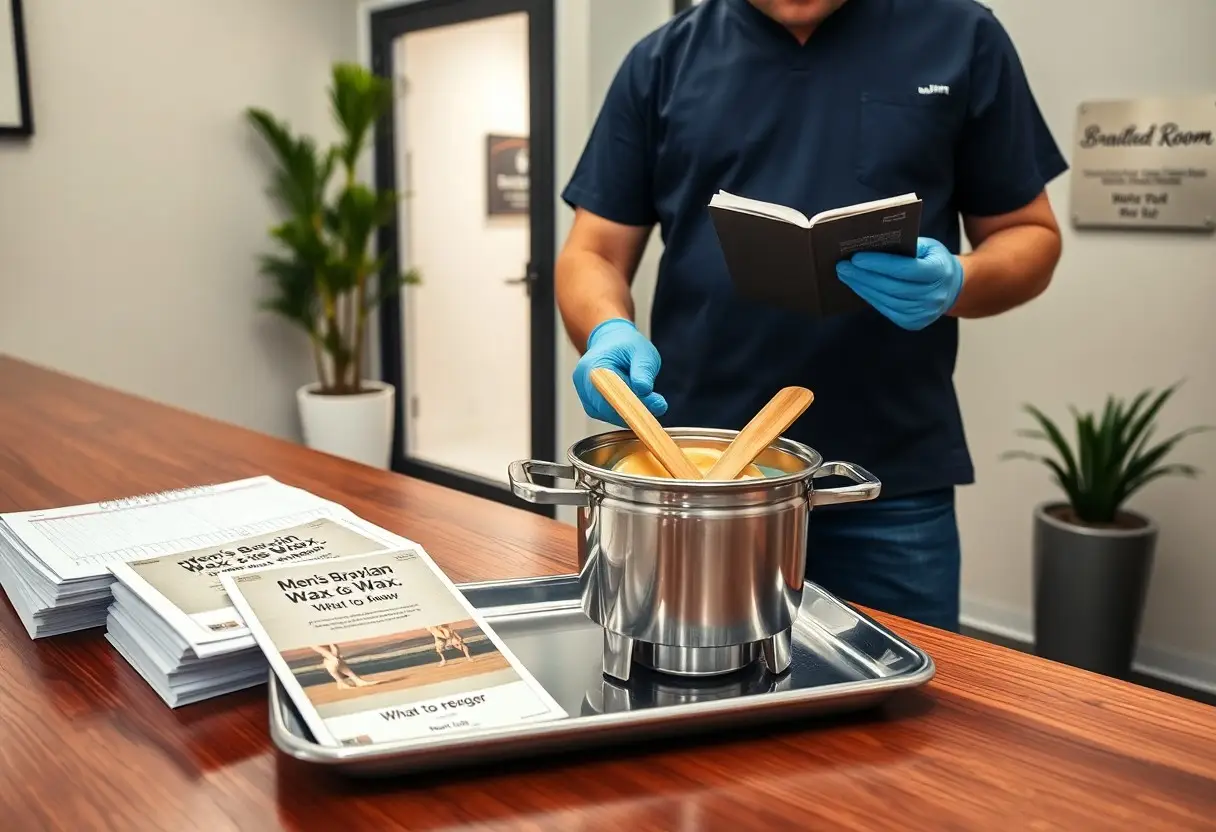
You should expect a stepwise routine: consultation, trimming, pre-cleanse, hot wax application, and post-care. Technicians focus on comfort and sanitation; you may feel brief stinging. Openness about allergies and medications improves safety and results.
Defining the Manzilian Service Area
Area covered typically includes the pubic mound, scrotum, perineum, and buttocks; you can choose full removal or a tailored shape. Technicians will request explicit consent before treating the scrotal skin, which is more sensitive and demands careful handling.
Key Differences Between Male and Female Waxing Techniques
Male waxing often uses firmer pressure, different pull angles, and stronger wax for coarser hair; you should expect extra sanitation measures and longer session times to ensure comfort and safety.
Technicians adjust for hair density, skin laxity, and anatomical contours, so you receive angled pulls and precise trimming to avoid nicks. Proper technique lowers the chance of ingrown hairs and infection risk, and you should follow prescribed aftercare-cool compresses, gentle cleansing, and avoiding hot tubs until healed.

Selecting a Professional Studio in Boynton Beach
Choose a studio with clear reviews, private treatment rooms, and staff who outline pre- and post-care so you can proceed confidently. Look for transparent pricing and visible safety protocols to minimize infection risk and ensure a professional experience.
Verifying Licensing and Sanitation Standards
Check that technicians display valid licenses, use single-use applicators, and follow strict sanitation steps so you avoid cross-contamination and infection.
Importance of Choosing an Experienced Male Waxing Specialist
Prefer an experienced male waxing specialist who understands male anatomy and adjusts technique for you, reducing pain, skin trauma, and the risk of ingrown hairs.
When you book, ask about specific training, years of hands-on experience, and client photos; insist on gentle technique, proper wax temperature, and clear post-care instructions to lower chances of burns, infections, or prolonged irritation.
Essential Pre-Visit Preparation
Pack loose, breathable underwear and pants, arrive with clean, dry skin, and avoid heavy lotions or deodorants; bring a spare pair for comfort after waxing.
Achieving the Optimal Hair Length for Removal
Trim hair to about 1/4 inch (6 mm) so wax can grip properly; hair that’s too short won’t adhere, while overly long hair can increase discomfort.
Skin Priming: Exfoliation and Hydration Protocols
Exfoliate gently 48 hours before and hydrate daily with a fragrance-free lotion; avoid harsh scrubs, retinoids, and active acids within seven days to reduce irritation and tearing risk.
Apply a gentle washcloth or mild enzymatic scrub two days prior to slough dead skin and help wax adhere. Stop topical retinoids and prescription exfoliants at least seven days before to lower the chance of tearing or post-inflammatory hyperpigmentation; if your skin is broken, inflamed, or sunburned, reschedule. Finish priming with a light, non-comedogenic moisturizer and skip heavy oils on the day of your appointment.
The Treatment Experience: What to Expect
Expect professional, discreet care that moves quickly; you may feel brief stinging and redness, then enjoy smoother skin for weeks. Technician will protect your modesty and explain aftercare; report any severe pain or signs of infection immediately.
Step-by-Step Overview of the Procedure
Start with a short consultation, then trimming, cleansing, waxing in sections, and a soothing finish; you’ll get clear aftercare directions. Expect clean technique and brief discomfort during the quick pull-throughs.
Procedure Steps
| Step | What to Expect |
|---|---|
| Consultation | Provider asks history and consent; safe boundaries set. |
| Trim | Hair shortened for effective waxing. |
| Cleanse | Skin cleaned with antiseptic to reduce infection risk. |
| Wax | Small sections removed quickly; watch for ingrown hairs. |
| Soothe | Cool compress and post-care applied; avoid heat and tight clothing. |
Pain Management and Sensitivity Considerations
You can request topical numbing cream, take a mild pain reliever beforehand if appropriate, and use breathing techniques; sensitivity varies by area and by person, so plan accordingly.
Topical numbing creams are often applied 20-30 minutes before service and removed by the technician; follow salon instructions. If you take an over-the-counter analgesic like ibuprofen, do so 30-60 minutes prior only if it’s safe for you and after checking with your clinician. Allow cool compresses immediately after waxing, avoid hot tubs and intense workouts for 24-48 hours, and exfoliate gently after 3-4 days to reduce ingrown hairs. Seek immediate care for spreading redness, increasing pain, pus, or fever, and report any unusual bleeding. Proper prep and aftercare will help you achieve longer-lasting smoothness with minimal complications.
Maintenance and Frequency Guidelines
You should schedule touch-ups about every 4-6 weeks to maintain smoothness and reduce regrowth; adjust timing for your hair growth and skin sensitivity, and consult your esthetician if you notice excessive irritation.
Establishing a Consistent Grooming Schedule
Set a recurring appointment that matches your hair cycle; many clients begin with 4-6 week intervals, then stretch to 6-8 weeks as regrowth thins and sessions become quicker and less sensitive.
Cumulative Benefits of Regular Waxing Sessions
Sessions spaced properly will give you thinner regrowth and less discomfort; you’ll experience reduced hair density, smoother skin, and fewer ingrown hairs with continued care.
Consistent waxing thins hair and weakens follicles, letting you extend intervals and experience less soreness and thinner, lighter regrowth. You should exfoliate gently between appointments to reduce ingrown hairs, avoid heavy scrubs for 48 hours after waxing, and consult your esthetician if you use medications that increase bleeding risk, since waxing can raise the chance of irritation or hyperpigmentation.
Summing up
With this in mind, you can expect professional discretion, brief discomfort, clear aftercare instructions, and transparent pricing; arrive with short hair, ask about sterilization and numbing options, and schedule follow-ups to keep skin smooth.